
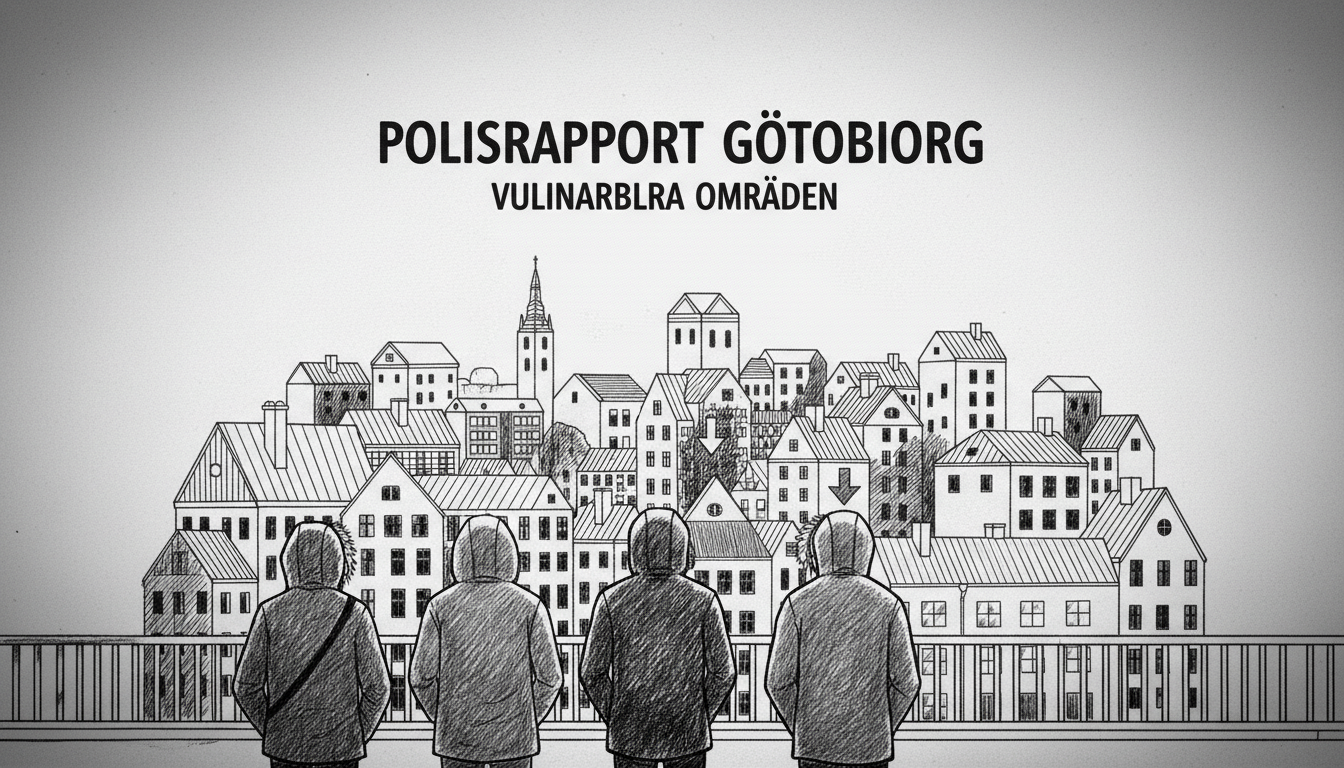
A new police report has identified eight neighborhoods in Gothenburg as vulnerable areas. The list shows a complex picture of Sweden's second city. Two of these areas are reportedly moving in the wrong direction. This news sparks conversations about integration and urban development far beyond police work.
For international readers, the term 'vulnerable area' carries specific weight in Sweden. It refers to neighborhoods where criminal networks can challenge local society. These networks may impact social services and create parallel structures. The police assessment considers factors like open drug trade and witness intimidation. It is a tool for directing resources, not a label for residents.
Gothenburg, known for its maritime history and cultural festivals like the Gothenburg Book Fair, now faces this spotlight. The city's districts, from the historic Haga with its wooden houses to the modern Lindholmen tech hub, tell diverse stories. The report reminds us that challenges exist alongside the famous Swedish quality of life.
Local community workers in areas like Angered or Bergsjön often speak of resilience. They point to youth centers and sports clubs working daily to build strong futures. A community organizer in one listed area recently said, 'Our work continues regardless of a list. We see the people, not just the problems.' This human perspective is crucial for understanding the full story.
Sweden's approach to these areas involves multiple strategies. It combines police work with long-term investments in schools, housing, and job creation. The goal is to break isolation and create pathways into broader society. This model has seen both praise and criticism over the years.
For expats and international observers, this news touches on broader Swedish society trends. It relates to ongoing debates about immigration, segregation, and the welfare state's capacity. Successful integration remains a stated national priority, with outcomes varying across the country.
The immediate effect of the list is operational. It guides where police will increase patrols and community outreach. The deeper impact is social. It influences public perception, political debate, and even property values. These areas are home to thousands of ordinary families building their lives.
Gothenburg's cultural fabric, from its iconic Liseberg amusement park to its vibrant music scene, is shaped by all its residents. The conversation about vulnerable areas is ultimately about inclusion. It asks how every neighborhood can share in the security and opportunity that define the Swedish dream. The path forward relies on honest dialogue and sustained commitment from all parts of society.