
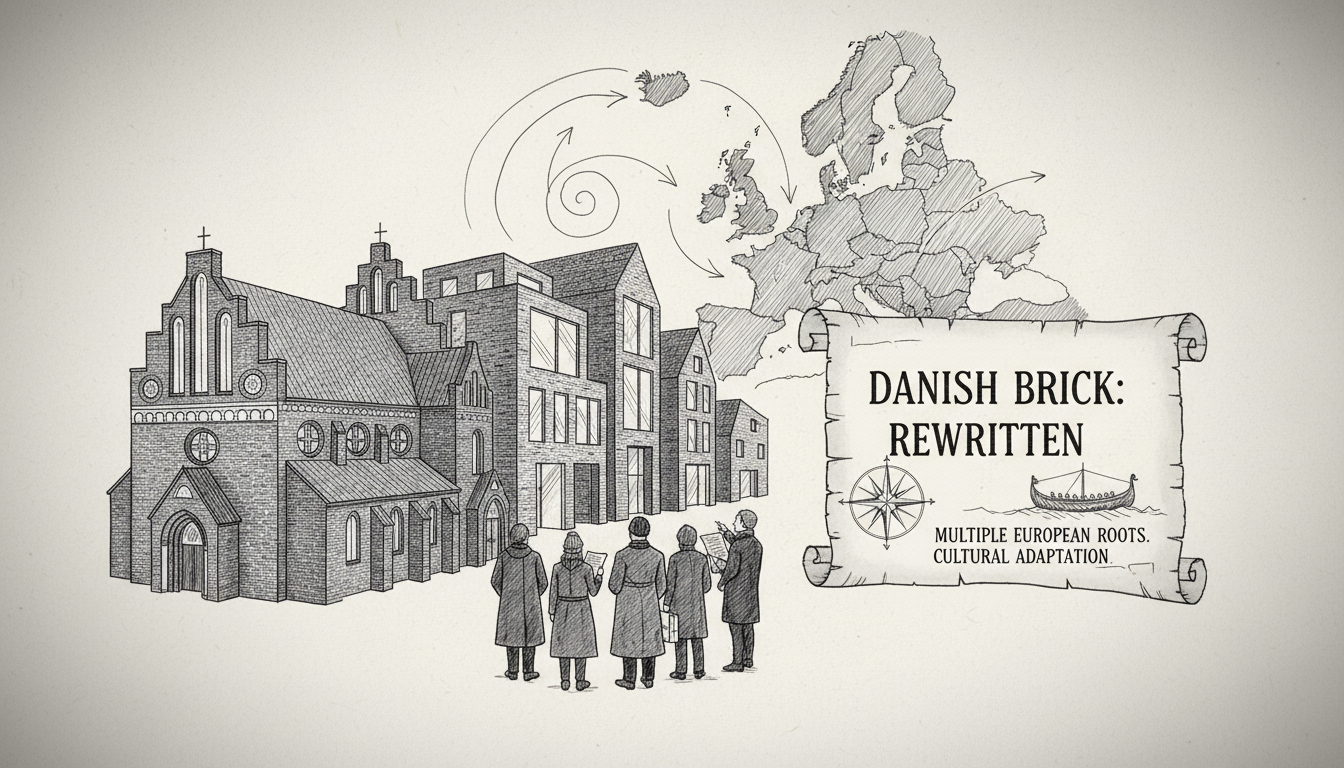
Danish construction history is undergoing a dramatic reinterpretation that challenges long-held beliefs about our architectural heritage. For generations, historians maintained that Denmark's brick building tradition came directly from Italy during medieval times. New archaeological findings now reveal a more complex story about how Danes developed their distinctive building methods. This research fundamentally changes our understanding of Denmark's architectural evolution and cultural connections across Europe.
The study examines brick composition, manufacturing techniques, and architectural patterns across historical Danish structures. Researchers discovered that Danish brickmaking developed through multiple European influences rather than a single Italian source. Northern German and Dutch building traditions played crucial roles in shaping Denmark's approach to brick construction. These findings help explain regional variations in Danish architecture that previous theories could not adequately address.
This historical revision matters for contemporary Danish society because our building heritage informs modern urban planning and cultural identity. Understanding the diverse origins of Danish architecture provides valuable context for current integration discussions in cities like Copenhagen. When we recognize that Danish culture itself developed through multiple external influences, it challenges simplistic narratives about cultural purity. Our built environment tells a story of adaptation and synthesis that continues today.
Community leaders note that historical research often reflects contemporary social priorities. As Denmark continues developing its approach to integration and cultural exchange, revisiting our architectural origins offers timely perspective. The way we interpret our past inevitably shapes how we approach our future as a society. This research demonstrates that cultural development rarely follows straight lines or single sources, but emerges through complex exchanges and adaptations.
Municipal planning departments across Danish cities may need to reconsider how they present historical architecture in public education materials. Social centers that work with new residents could incorporate these findings into their cultural orientation programs. The research provides concrete examples of how Danish culture has historically integrated external influences while developing distinctive local characteristics. This historical perspective adds depth to current discussions about Danish welfare system development and social policy evolution.
What does this mean for international readers interested in Danish society? It reveals that Denmark's cultural identity, like all nations, represents a dynamic process rather than a static inheritance. The bricks in our historic buildings contain stories of trade, migration, and cultural exchange that predate modern national boundaries. As Denmark continues refining its immigration policy and integration approaches, this research reminds us that cultural development has always involved cross-border influences and adaptations.