
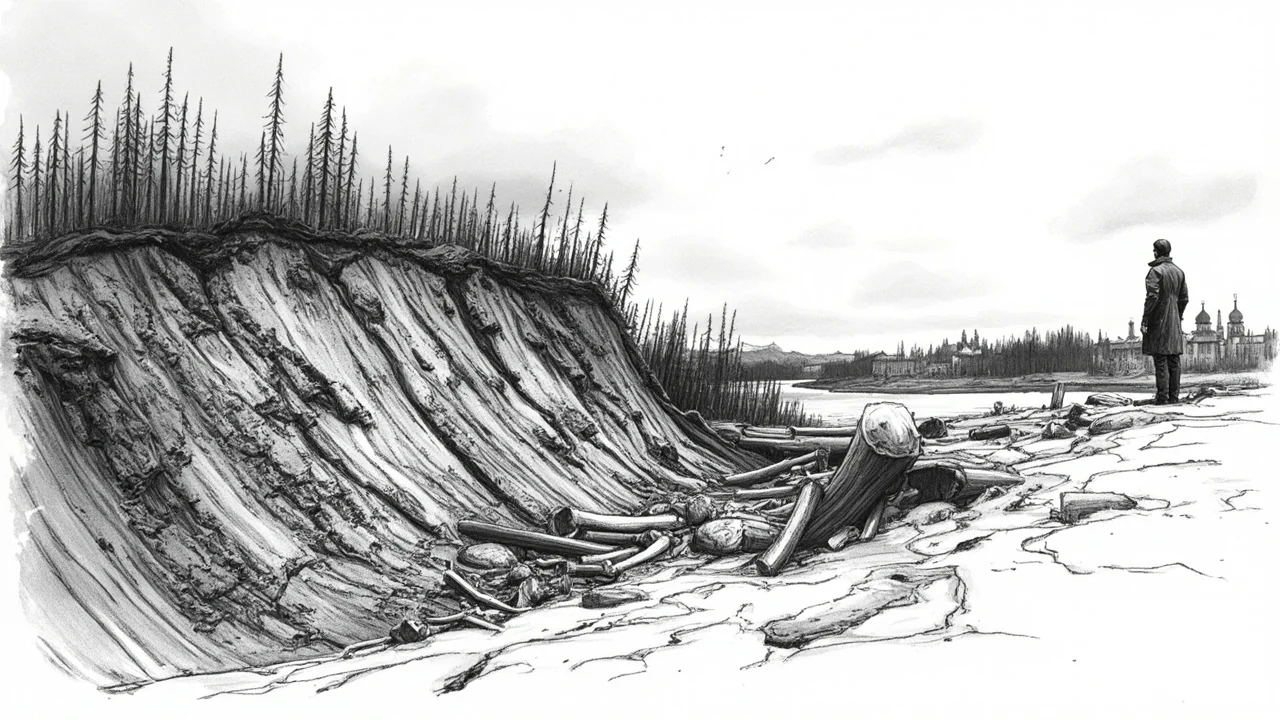
A landslide occurred in the Rödbo area on Hisingen island in Gothenburg, Sweden. No injuries were reported. The landslide has drawn attention to geotechnical risks in urban areas located near natural landscapes. Geotechnical engineer Ola Stighus commented on the incident to SVT, Sweden's national public television broadcaster. According to the report, Stighus stated that nine out of ten landslides involve some form of human intervention. This provides a data-driven expert perspective on the human impact on geotechnical risks.
The investigation into the specific cause of the Rödbo landslide is ongoing. Authorities are working to determine the exact factors that led to the event. The issue of landslides is a key societal concern in Nordic countries, which often have dense urban planning located close to natural landscapes. The expert's comment links a specific event to a broader discussion about human activity and environmental stability.
Human intervention can include various construction activities, excavation work, or changes to drainage patterns. These activities can alter the stability of slopes and soil. The Rödbo area on Hisingen island is part of Gothenburg, a major Swedish city. The landslide there highlights the challenges of managing land use in developed areas near nature.
Ola Stighus's remark underscores a prevalent pattern observed in geotechnical engineering. His statement suggests that most landslides are not purely natural events, but frequently have a component linked to human actions. This perspective is important for urban planning and risk assessment, informing how communities build and expand in relation to their natural surroundings.
The ongoing investigation will provide more details about the Rödbo landslide's specific triggers. The findings may contribute to better practices for preventing similar events in the future. The report from SVT brings expert analysis to a recent incident with wider implications for society and infrastructure safety.