
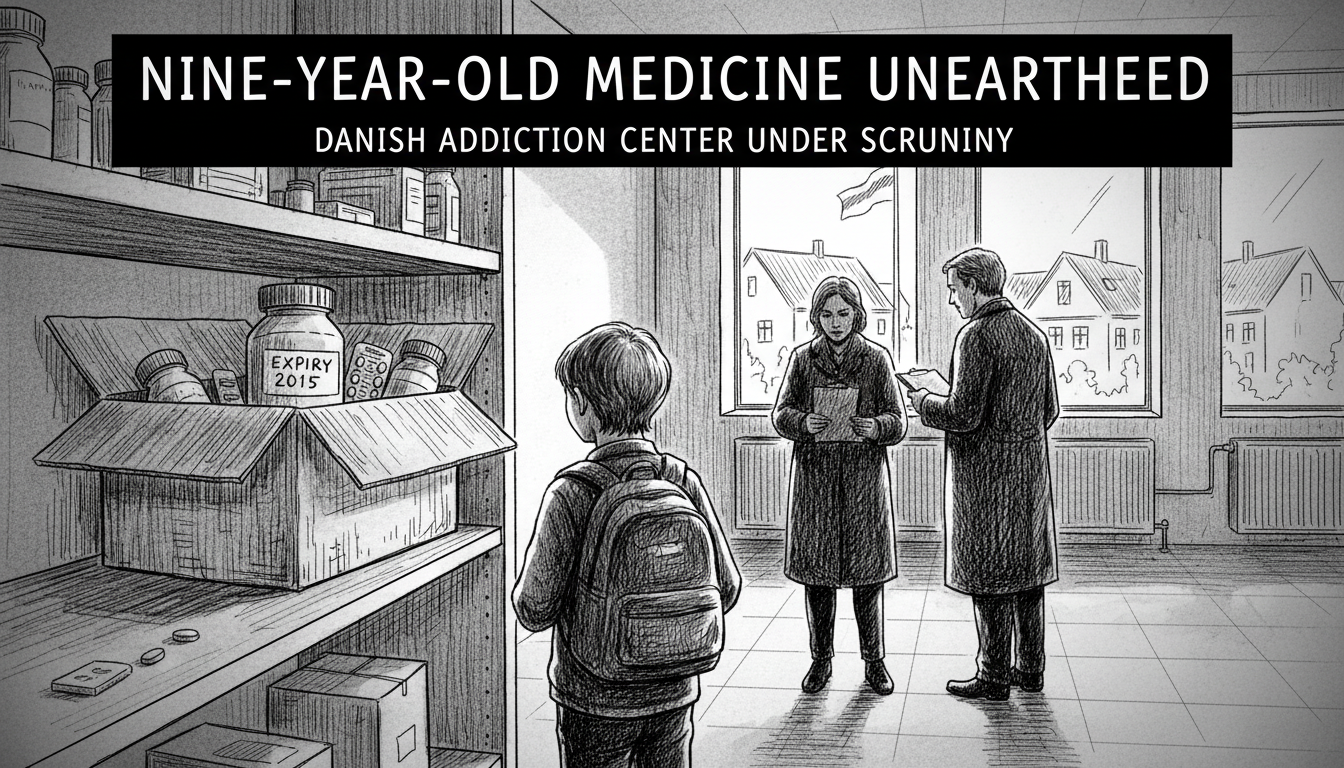
A Danish addiction treatment facility faces serious patient safety violations after inspectors discovered expired medication and dangerous medical practices. The Sydgården institution in Haderslev received its second formal order from health authorities this year following an October inspection that revealed critical failures.
Inspectors observed doctors administering double medication doses and using incorrect assessment protocols for withdrawal symptoms. Most alarmingly, they found a large stockpile of medicine expired for nine years. The discovery raises urgent questions about medication management in Denmark's welfare institutions.
New director Allan Karlsen expressed shock at the findings. He said he nearly fainted when learning about the expired medicine cache. Karlsen acknowledged ultimate responsibility for the facility's operations despite having hired medical professionals to handle pharmaceutical management.
The Danish Patient Safety Authority determined that patient health remains at risk due to persistent safety issues. This represents the institution's second formal order within months, following an August citation from a June inspection.
This case highlights broader challenges within Denmark's social service infrastructure. Municipalities across the country face increasing pressure to maintain quality standards in specialized care facilities. The repeated violations at Sydgården suggest systemic problems rather than isolated incidents.
Danish integration policy often emphasizes proper healthcare access for all residents, including those in treatment facilities. When institutions responsible for vulnerable populations fail basic safety checks, it undermines public trust in the social welfare system. The Copenhagen integration model typically receives international attention, but regional facilities like Sydgården demonstrate where systems can break down.
The facility must now address all deficiencies before health authorities remove the public order from their website. For patients receiving treatment at Sydgården, the findings create legitimate concerns about their care quality and safety.
Denmark's social policy framework generally maintains high healthcare standards, making such safety lapses particularly concerning. The welfare system depends on consistent oversight and professional accountability at all levels. When medication management fails so dramatically, it suggests deeper organizational issues requiring comprehensive reform.
Local social centers and municipal authorities will likely face increased scrutiny following these revelations. The case serves as a reminder that even within generally effective systems, individual institutions can develop dangerous practices without proper oversight and accountability mechanisms.