
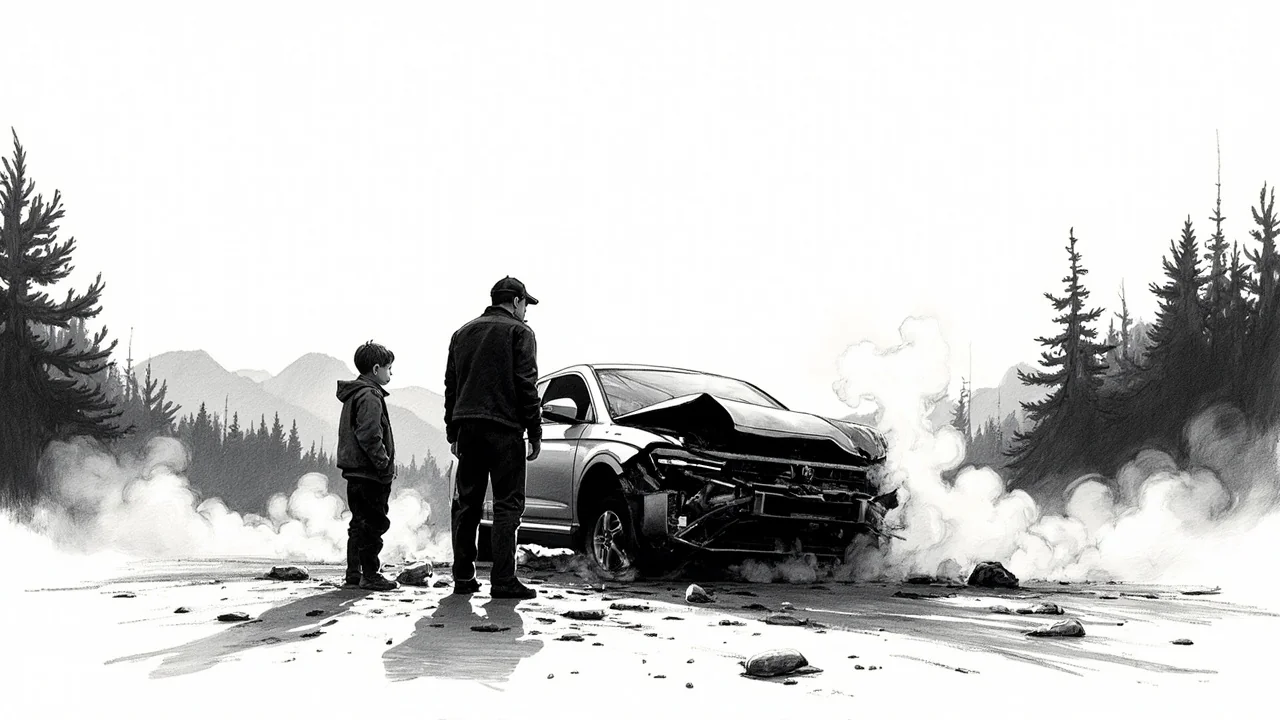
Norway police reported a shocking incident Friday night after a car veered into a ditch in Ringsaker, with the driver being a 10-year-old boy. The Innlandet Police District logged the event, dispatching officers to the scene. Their investigation revealed the driver was far below the legal age limit for operating a vehicle. 'The driver of the car was a 10-year-old boy,' said operations manager Ove Stian Ovrum in a statement. The child's father was a passenger in the vehicle during the incident. Authorities have now reported the father to the relevant legal authorities and have temporarily confiscated his driver's license.
The Friday Night Response
Police received the initial call about a car in a ditch on Friday evening. The location was in the municipality of Ringsaker. Emergency services, including police patrols, were dispatched to the address following standard procedures for a traffic incident. Upon arrival, officers began their assessment of the situation, checking for injuries and securing the scene. It was during this initial interaction that the extraordinary circumstances became clear. The individuals involved were not seriously injured, but the identity of the driver prompted an immediate shift in the nature of the investigation from a simple traffic accident to a more serious legal matter.
Legal Consequences for the Parent
The presence of the father as a passenger is a central element of the case. Norwegian law places strict responsibility on vehicle owners and supervising adults. Allowing an unlicensed person, especially a child, to operate a motor vehicle is a serious traffic violation. The police action was swift: the father was formally reported for his role in the incident. The temporary confiscation of his driver's license is a common administrative measure in such cases, taken immediately while the legal process unfolds. This action underscores the gravity with which authorities view the endangerment of a child and the violation of traffic laws.
Understanding the Legal Framework
The legal age for obtaining a driver's license for a car in Norway is 18, with exceptions for certain types of tractors and mopeds under strict conditions for younger teenagers. A 10-year-old has no legal pathway to drive a passenger car on public roads. The case falls under provisions that penalize those who enable or permit illegal driving. The police report will be forwarded to the public prosecutor, who will decide on further charges. Potential consequences for the parent can include substantial fines and a permanent mark on their driving record, which affects insurance premiums and licensing.
Community and Safety Implications
While the physical damages appear limited to the vehicle, the incident raises significant safety concerns. It highlights a critical failure in parental supervision and judgement. Road safety organizations consistently emphasize the absolute necessity of adhering to age and licensing laws, which are designed solely for public protection. An unlicensed child lacks the physical maturity, cognitive development, and trained reflexes to handle a vehicle, posing an extreme risk to themselves, their passengers, and other road users. This event serves as a stark reminder of why these laws exist.
The Path Forward for the Family
The immediate legal steps are clear, but the incident also triggers considerations from child welfare services. Norwegian law requires that the police notify child protection services (Barnevernet) in situations where a child's safety is severely compromised by a parent's actions. This does not automatically mean the child will be removed from the home, but it typically initiates a review to assess the family's situation and determine if support or intervention is needed to ensure the child's well-being. The focus is on assessing risk and providing help.
A Broader Look at Similar Cases
Although rare, cases of very young children driving cars occasionally surface. Each instance is met with public dismay and swift legal action. They are universally treated as severe breaches of parental duty. The consensus in Norway is firm: operating a motor vehicle is an adult responsibility requiring state-certified training and testing. There is no cultural tolerance for treating driving as a child's game, even in rural or private areas, as the potential for catastrophe is too high. The legal system reflects this zero-tolerance stance.
The Aftermath and Official Process
The vehicle was likely towed from the ditch. The police have completed their initial on-scene investigation and filed their report. The father must now await contact from the prosecuting authority regarding formal charges. He will have the opportunity to give his account of the events. The temporary license suspension will remain in effect pending the outcome of the case. The child, meanwhile, is at the center of a welfare check, a process intended to be supportive but born from a profound lapse in guardianship that could have ended in tragedy.
A Final Reflection on Responsibility
This event in Ringsaker is not a story of a minor traffic mishap. It is a clear demonstration of failed responsibility. The roads are a shared space where the rules exist to protect everyone. When a parent not only allows but participates in such a dangerous illegal act, it shatters that fundamental social contract. The police response, focusing on the adult's license and legal culpability, correctly targets the source of the decision. The hope is that the legal and child welfare processes that follow will prevent any repeat and underscore a simple, non-negotiable truth: cars are not toys, and childhood must be protected from such grave risks.