
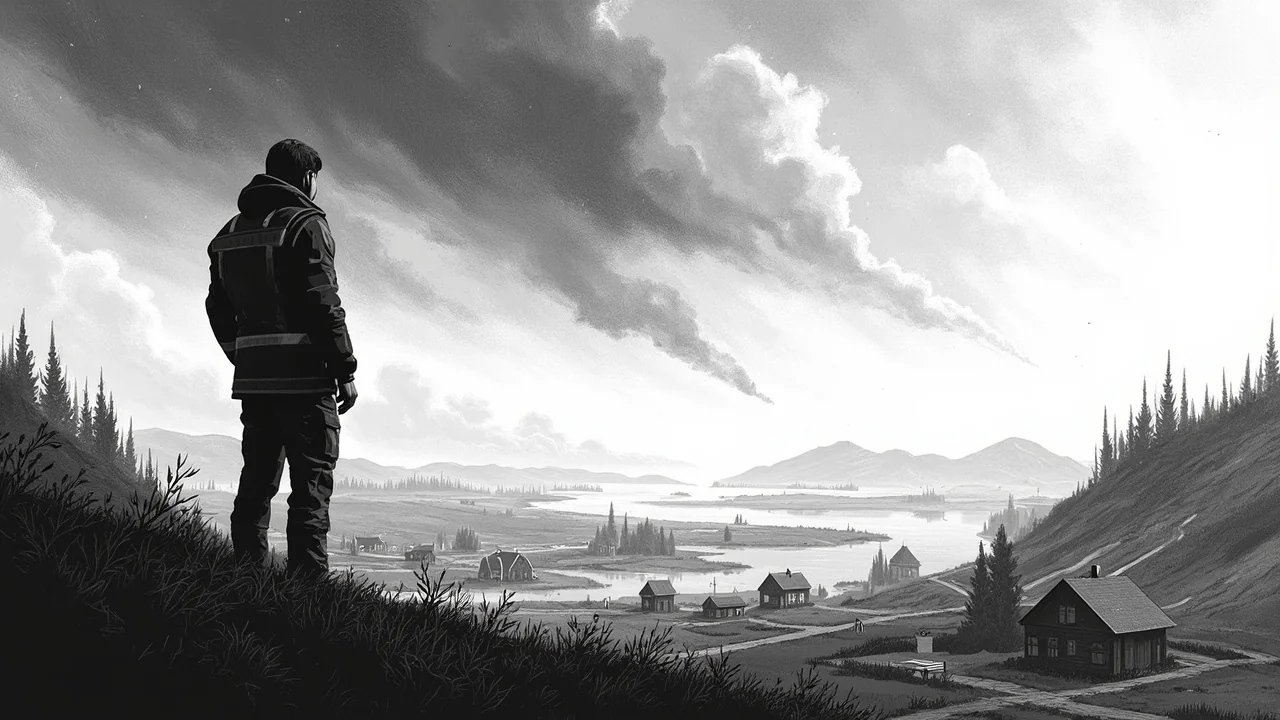
Norway's southwestern county of Rogaland is under a yellow warning for grass and heather fires until significant rainfall arrives. Meteorologists state the vegetation is now highly flammable after several consecutive days of sunshine. 'Do not use open flames,' is the clear request from the Norwegian Meteorological Institute. This alert follows a weekend where several terrain fires were reported across the county, highlighting a rapidly escalating seasonal danger.
A Weekend of Flames
The official warning comes as a direct response to confirmed fire activity over the past 48 hours. While specific figures on the number or size of weekend fires are not detailed in the advisory, the confirmation of 'several terrain fires in the county' establishes a pattern of ignition. These incidents serve as practical proof of the theoretical risk forecasted by meteorologists. The fires occurred in snow-free areas, where dead grass and dry heather from the previous growing season provide ample fuel. This type of vegetation can transition from a dormant state to a significant fire hazard with only a brief period of warm, dry weather, a condition now met across Rogaland.
The Science of the Spark
The primary cause of the elevated risk is a straightforward meteorological sequence. The Norwegian Meteorological Institute's warning hinges on two key factors: a lack of precipitation and prolonged solar exposure. 'The vegetation can easily ignite since there has been sun for several days,' the institute notes. This sunshine drives evaporation, sucking residual moisture from the ground and from the dead plant material that carpets open fields and hillsides. Without substantial rain—defined as a widespread, soaking event across the entire county—the vegetation will remain in a tinder-dry state. The yellow warning, which signifies a moderate danger level, will remain in effect until such a rainfall event occurs, with no definitive timeline provided in the current forecast.
Official Response and Public Advice
The governmental response is currently focused entirely on prevention and public communication. The core message from authorities is unambiguous and direct: a ban on all open flames. This includes activities such as recreational campfires, bonfires, the use of barbecues with open flames in risk areas, and the careless disposal of cigarettes. The warning is particularly critical for residents and visitors in rural and coastal areas of Rogaland, where heathland and grasslands are prevalent. Municipal emergency services are likely operating on heightened awareness, with fire departments prepared for rapid response to any new reports of smoke or fire in vulnerable terrain. The advisory places the onus squarely on individual behavior to prevent the spark that could lead to a larger incident.
Historical Context and Regional Vulnerability
Rogaland, with its varied landscape of coastal heaths, agricultural valleys, and mountainous terrain, is no stranger to spring and early summer fire risks. While large-scale forest fires are less common in Norway than in drier Mediterranean climates, terrain fires in grass and heather can spread with surprising speed, especially under windy conditions. Such fires pose a direct threat to property bordering wildlands, can cause significant damage to agricultural land, and mobilize substantial emergency resources. The weekend's fires, though not catastrophic, fit a recurring seasonal pattern that emergency managers track annually. The timing of this warning is typical, following the retreat of winter snow but preceding the full greening of summer vegetation, leaving a volatile window of risk.
A Community on Watch
The situation creates a state of heightened vigilance for communities throughout Rogaland. Local news outlets and municipal alert systems typically amplify the national meteorological warnings, advising residents on specific local precautions. Farmers, landowners, and hiking enthusiasts are among those for whom the warning carries immediate practical implications. The economic stakes are tangible, as a single uncontrolled fire can destroy crops, pasture, and forestry assets. Furthermore, terrain fires can compromise air quality over a wide area and pose risks to biodiversity in sensitive ecosystems. The collective memory of past fire seasons, even those with relatively contained incidents, informs a community-level respect for the power of dry vegetation and a single spark.
The Path Forward: Eyes on the Sky
The resolution to this alert is entirely weather-dependent. The Norwegian Meteorological Institute has not specified when the required 'significant precipitation' might arrive. Therefore, the county remains in a holding pattern of risk. Continued fair weather will only exacerbate the conditions, deepening the moisture deficit and expanding the areas of concern. Conversely, a forecast shift to a period of steady, widespread rain would see the warning lifted. Until that shift occurs, the operational status for Rogaland's emergency services remains poised, and the public instruction is unequivocal. The effectiveness of this preventive approach will be measured in the silence of fire station sirens. For now, the county waits and watches, hoping for the relief of rain clouds over the distinctive landscapes of the Stavanger region and the Ryfylke heaths.