
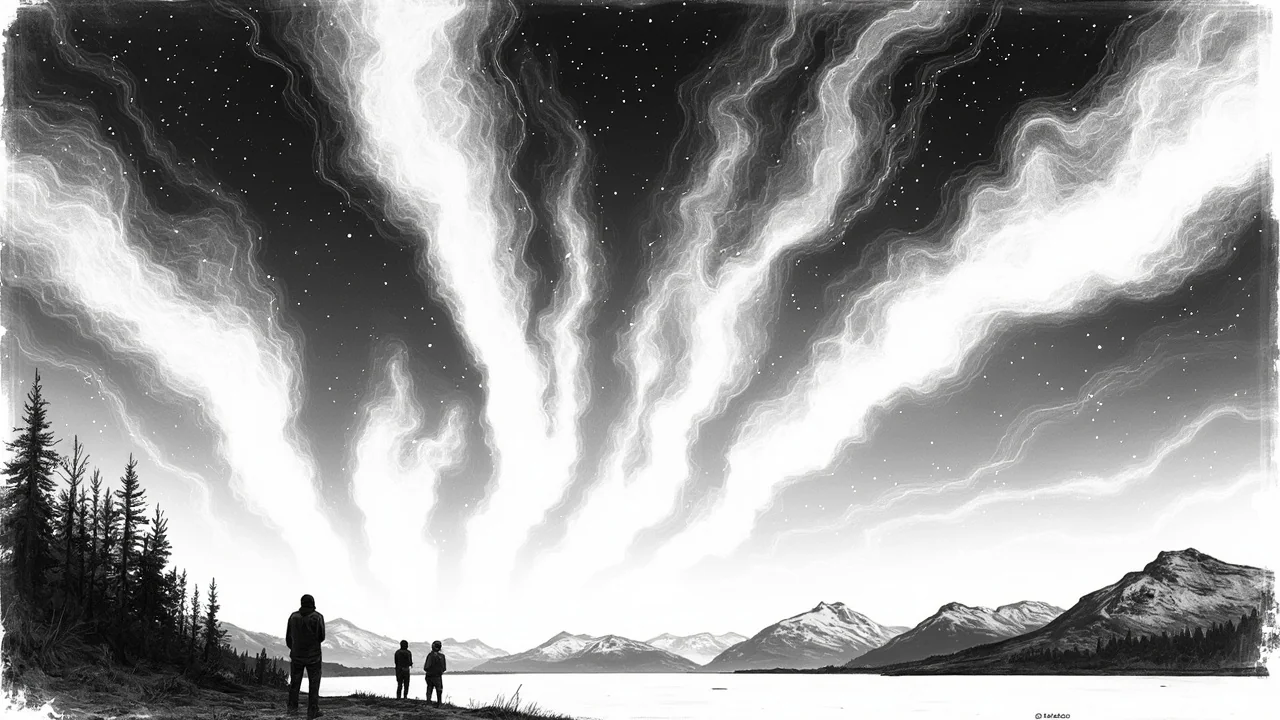
Norway's northern lights activity has surged to unprecedented levels, with the aurora borealis visible 54 times in South Norway during the 2024-2025 winter season alone. This marks a dramatic increase driven by a powerful solar cycle peak, offering a rare celestial spectacle that experts say won't last. Northern lights researcher Pål Brekke confirms the exceptional activity, noting that the current peak rivals events from over two decades ago. For Norwegians and visitors alike, understanding this phenomenon is key to witnessing one of nature's most dazzling displays.
Unprecedented Aurora Activity
The past two years have seen an extraordinary frequency of northern lights across Norway, from the Arctic north to the southern coasts. Brekke describes the sky as nearly 'boiling' with activity, a sight not commonly seen since the last major solar maximum around 22 years ago. The peak period officially began in 2024 and is characterized by intense solar storms that propel charged particles toward Earth. This has resulted in auroral displays becoming a weekly occurrence in regions like Oslo and Bergen, where they are typically rare. The data underscores a significant shift: from the autumn of 2025 to January 2026, there were already 46 nights with visible northern lights in South Norway, putting this season on track to surpass the previous record.
The Solar Cycle Peak Explained
At the heart of this increase is the sun's 11-year activity cycle, which has reached a particularly strong maximum. Brekke explains that the sun's 'pulse' is now at its peak, releasing energy particles that travel 150 million kilometers to collide with Earth's atmosphere. This cycle is natural, but its current strength is unusual, leading to more frequent and vibrant auroras. The peak is expected to persist through 2026, after which activity will gradually decline. Historical comparisons show that similar intense periods occurred in the early 2000s, making this a generational event. For context, solar cycles vary in intensity, and researchers monitor them closely to predict space weather impacts on satellites and communications.
From Sun to Sky: How Northern Lights Form
Northern lights, or aurora borealis, occur when solar particles slam into Earth's magnetic field and atmosphere. These collisions excite atoms and molecules, primarily oxygen and nitrogen, causing them to glow in hues of green, pink, and purple. The process is a direct result of solar storms that erupt days before the lights become visible. Brekke emphasizes that the spectacle observed in Norwegian skies is a real-time manifestation of solar activity, connecting viewers to cosmic events. This scientific basis explains why the current solar peak translates to more vivid and widespread displays, especially during clear winter nights outside the summer months.
Record-Breaking Visibility in the South
While northern lights are a staple in Nord-Norge, where they appear almost nightly in clear weather, the surge in South Norway is remarkable. The 54 sightings in the 2024-2025 season represent over one per week, a frequency that astonishes even seasoned researchers. Brekke notes that this trend continues, with the current season likely to exceed previous records if activity persists through spring. For residents in cities like Stavanger or Trondheim, this means more opportunities to witness auroras without traveling far north. The data highlights a broader pattern of increased solar influence, making the lights accessible to a larger portion of Norway's population.
Maximizing Your Chances to Witness the Dance
To capitalize on this peak, Brekke offers practical advice. He recommends heading north, to regions like Troms or Finnmark, where the aurora appears directly overhead and is more intense. However, even in the south, opportunities abound if viewers escape light pollution. Key tips include venturing away from city lights—such as those in Oslo's suburbs or coastal towns—to dark sky areas. The best viewing window extends through May, with clear, cold nights offering optimal conditions. Brekke stresses that simple factors like porch lights can hinder visibility, so finding remote spots is crucial. This guidance aligns with Norway's growing astrotourism sector, which benefits from natural phenomena.
What Comes After the Peak?
The current solar maximum is a temporary boon. Brekke predicts that aurora activity will remain strong through the next season, starting in autumn 2026, but will gradually diminish thereafter. By 2028-2030, the solar cycle will enter a 'valley' with significantly fewer northern lights displays. The next major peak isn't expected until around 2035, making the coming years a critical window for enthusiasts. This timeline underscores the urgency for Norwegians to experience the lights now, as such intense periods are rare. The cyclical nature of solar activity means that while the skies will quiet down, the memory of this peak will linger in cultural and scientific records.
As the solar cycle winds down, the northern lights will retreat to their traditional Arctic strongholds, leaving southern sightings as a rare treat. For now, Norway stands at the forefront of a celestial event that bridges science and wonder, inviting all to look up and seize the moment. Will you be among those who catch the dance before it fades?