
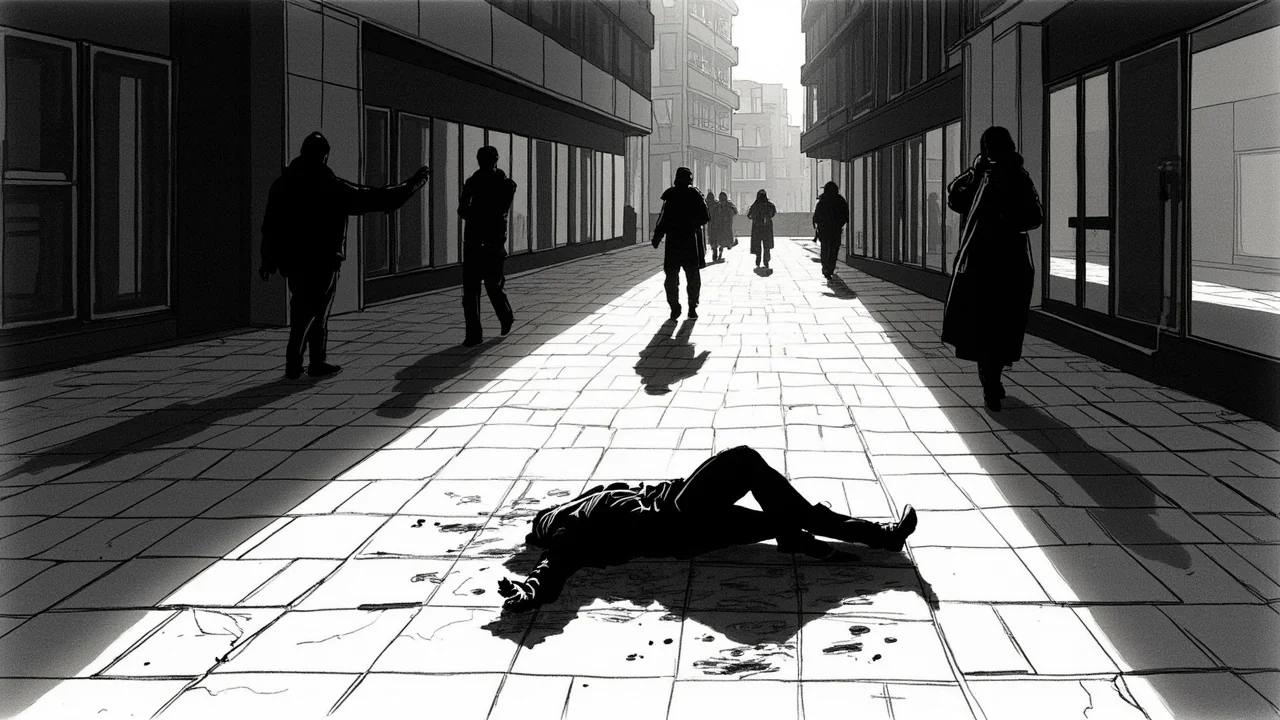
Oslo city center has seen a severe pedestrian accident leave one elderly man in critical condition, with police investigating the hypothesis he was struck by his own vehicle. Emergency services responded swiftly to the scene near central Oslo streets, where the incident occurred during daylight hours. The victim, an elderly man, was transported to a hospital with life-threatening injuries, according to police statements. Authorities have not released his identity, citing privacy concerns during the ongoing investigation. Police spokesperson Steinar Bjerke provided initial details, emphasizing that the focus is on understanding the sequence of events. 'Our current hypothesis is that the individual was hit by his own car,' Bjerke said in a statement. This unusual circumstance has prompted a detailed inquiry, with no immediate suspicion of criminal activity. Witnesses at the scene are being interviewed to reconstruct what led to the collision. The area was cordoned off for several hours, disrupting pedestrian and vehicular traffic in the bustling heart of Norway's capital. Police vehicles and ambulances were visible, drawing attention from passersby and local businesses. The response involved multiple agencies, including Oslo Police District and emergency medical teams, coordinating to secure the site and aid the victim. Investigators are examining the vehicle involved, though specifics about its make or model have not been disclosed. The incident highlights the vulnerabilities pedestrians face in urban environments, even without apparent malicious intent. As of now, the investigation remains in its early stages, with police urging anyone with information to come forward. The victim's family has been notified, but no public statements have been made regarding his condition or background. Hospitals in Oslo are equipped to handle trauma cases, but the severity of his injuries underscores the potential for fatal outcomes in such accidents. This event echoes rare but documented cases where individuals are injured by their own vehicles, often due to mechanical failures or human error. In Norway, pedestrian safety is a priority, with infrastructure like crosswalks and traffic signals in Oslo designed to minimize risks. However, accidents still occur, prompting reviews of safety protocols and public awareness campaigns. The police are not ruling out any possibilities, including medical episodes or environmental factors, that might have contributed to the incident. Forensic teams are likely analyzing the vehicle for defects, while witness accounts will help piece together the timeline. The lack of criminal suspicion suggests an accidental cause, but police stress that conclusions will await full evidence collection. Such incidents can trigger municipal reviews of traffic management in high-density areas like Oslo sentrum, where foot traffic is heavy. For now, the community awaits updates on the victim's health and the investigation's findings. This tragedy serves as a somber reminder of the fragility of life in everyday settings. The police will continue their work, with updates expected as more information becomes available. The public is advised to exercise caution and report any suspicious or dangerous activities on the roads. Ultimately, this case may inform broader discussions on urban safety, though immediate concerns rest with the victim and his loved ones.
Emergency Response in Oslo City Center
Police and medical teams arrived quickly after the incident was reported, securing the area around central Oslo streets. The response was coordinated to ensure both investigation integrity and public safety, with barriers set up to protect the scene. Traffic diversions were implemented, causing minor disruptions during a typically busy time of day. Emergency vehicles, including ambulances and police cars, were stationed nearby, with personnel assessing the situation. The efficiency of Oslo's emergency services is often noted, but this event tested their protocols in a dense urban environment. Witnesses described a sense of urgency, with paramedics working diligently to stabilize the victim before transport. The police presence helped manage onlookers, allowing investigators to begin their work without interference. Such responses are routine for accidents, but the critical nature of this injury heightened the focus on swift action. The hospital receiving the victim is known for its trauma care, though officials have not named it publicly. This incident underscores the importance of rapid emergency systems in mitigating outcomes after severe accidents.
Police Hypothesis: Struck by Own Vehicle
Steinar Bjerke's statement that the victim may have been hit by his own car is a key aspect of the investigation. This hypothesis suggests scenarios where the vehicle moved unexpectedly, such as from a parked position or due to driver error. Police are exploring possibilities like brake failure, accidental acceleration, or the victim exiting the vehicle improperly. In Norway, vehicles are generally maintained to high standards, but malfunctions can occur, leading to unintended movements. The investigation will involve mechanical checks of the car to rule out defects that could cause such an incident. Witness accounts might clarify if the victim was near the vehicle when it started moving, or if there were other factors at play. This hypothesis is unusual but not unheard of, with similar cases documented in other countries. Police emphasize that it is premature to draw conclusions, as evidence is still being gathered. The focus remains on understanding how the victim interacted with the vehicle prior to the collision. This angle may influence future safety advisories for vehicle owners in Norway.
Witness Accounts and Investigation Progress
Interviewing witnesses is a critical step, as their observations can provide clues about the accident's cause. Police have spoken to several people at the scene, aiming to build a coherent timeline of events. Witnesses may have seen the vehicle before the incident, noted the victim's actions, or observed the collision itself. Their testimonies will be cross-referenced with physical evidence from the site, such as skid marks or vehicle positioning. The investigation is methodical, with detectives documenting every detail to avoid misconceptions. No suspects are involved, given the lack of criminal suspicion, but police are thorough in eliminating any foul play. The public has been cooperative, with some providing statements that could shed light on the victim's condition beforehand. This collaborative approach helps ensure accuracy in the final report. As the investigation progresses, police may release more details to clarify public understanding. For now, the priority is supporting the victim's family and maintaining transparency within legal bounds.