
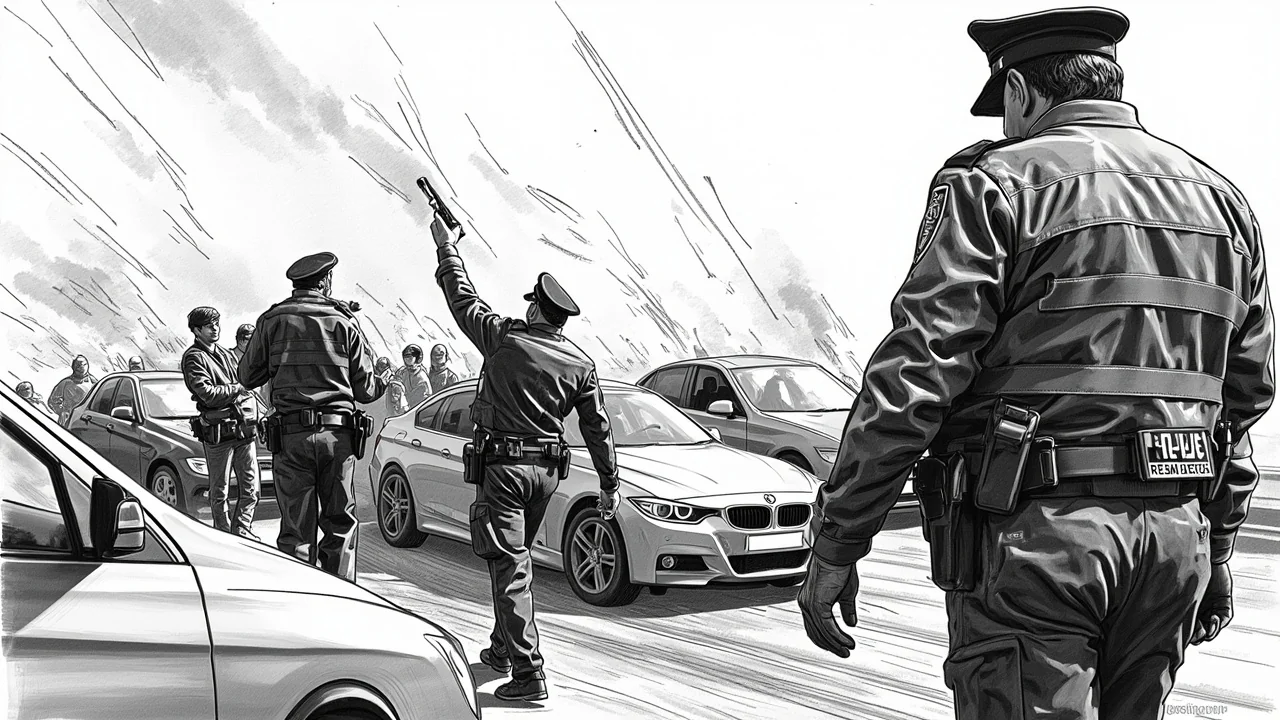
Norwegian police responded to a weekend traffic accident that culminated in the arrest of a woman for assaulting officers. The incident occurred in Vennesla, Agder, on Saturday evening. Police were called to a report of a car that had driven into a ditch. 'We were notified of a traffic accident where a car had driven into the ditch. On arrival, we made contact with three people,' operations manager Jarl Bernhard Nilsen said in a statement. He described the individuals involved as 'not very cooperative.'
Weekend Incident Triggers Police Response
The single-vehicle crash initially appeared to be a routine call for the Agder Police District. Upon arrival, officers made contact with the three occupants of the vehicle. The situation quickly escalated from a standard traffic incident investigation. Police immediately suspected the driver, one of the men present, of operating the vehicle under the influence of drugs or alcohol. This suspicion prompted officers to take the man into custody for transportation to a medical clinic for mandatory testing, a standard procedure in suspected impaired driving cases under Norwegian law.
Confrontation Escalates to Physical Violence
It was during the process of securing the scene and dealing with the suspected impaired driver that the situation turned physically violent. 'In connection with the mission, the woman exercised violence against the police. When we tried to get control of the situation, it became a heated situation,' Nilsen stated. When pressed for details on the nature of the assault, the operations manager confirmed the violence involved both punches and kicks directed at the officers. The woman's actions transformed the incident from a suspected traffic violation into a serious criminal investigation targeting her own conduct.
Legal Proceedings and Charges Filed
The police have confirmed that the case is being followed up through formal investigative channels. Separate cases have been initiated for the two primary offenses. 'A case is being created for violence against the police and for driving under the influence,' Nilsen confirmed. The charge of violence against a public official, which includes police officers, is prosecuted under the Norwegian Penal Code and can carry significant penalties depending on the severity of the assault and the injuries sustained. The charge of driving under the influence is handled under the Road Traffic Act, with penalties ranging from heavy fines and license suspension to imprisonment for severe or repeat offenses.
Context of Assaults on Norwegian Police
While this single incident is localized, it fits into a broader national context where police report facing increased aggression during routine duties. Assaults on police officers, while less frequent than in some other countries, remain a persistent challenge for Norwegian law enforcement. Each such incident triggers not only a criminal investigation but also internal reviews regarding officer safety and de-escalation protocols. The police union has repeatedly highlighted the risks officers face during seemingly ordinary calls, noting that situations involving intoxication, as in Vennesla, present a particularly high risk of unpredictable violence.
The Road Safety and Law Enforcement Intersection
The Vennesla case underscores the volatile intersection between road safety enforcement and public order policing. Traffic stops and accident responses are common points of contact between citizens and police, and they can become flashpoints, especially when violations like suspected impaired driving are involved. Norwegian police procedures for handling suspected drunk drivers are well-established, focusing on obtaining objective evidence through blood tests. However, the presence of passengers who may also be intoxicated or emotionally charged adds a layer of complexity that can test officer training in conflict resolution and crowd control.
Broader Implications for Community Policing
Beyond the immediate legal consequences for those involved, incidents like the one in Vennesla can impact the fundamental relationship between the police and the community they serve. Trust is a cornerstone of the Norwegian policing model. Aggressive resistance during enforcement actions can strain that trust, potentially leading to more adversarial interactions in the future. Conversely, the professional handling of such a volatile situation, culminating in arrests without reported serious injury, can demonstrate police restraint and adherence to protocol. The Agder Police District's transparent communication about the charges reflects a system designed for accountability.
The Path Forward for the Investigation
The legal process now moves from the initial response phase to formal investigation. The woman arrested for violence will be processed according to standard judicial procedures. The evidence against her will include officer testimony and potentially any body-worn camera footage, though its use by Norwegian police is more limited than in some nations. The driver suspected of impairment will face the results of his medical tests. A positive result for substances over the legal limit will lead to prosecution. Both cases will be filed with the relevant prosecuting authority, which will decide whether to press formal charges and bring the matter before the Agder District Court.
A Reminder of Inherent Risks in Policing
The events on a Vennesla roadside serve as a stark reminder that for police officers, no call is truly routine. What begins as a report of a car in a ditch can, in minutes, become a physically dangerous confrontation. It highlights the challenging and often unpredictable nature of police work, where enforcing traffic safety laws can unexpectedly provoke violent resistance. As the cases proceed through the legal system, the focus will be on upholding the law for both the original traffic violation and the subsequent assault on those tasked with enforcing it. Will this incident lead to any review of safety protocols for traffic-related callouts, or does it simply stand as an isolated example of a volatile situation managed by the book?