
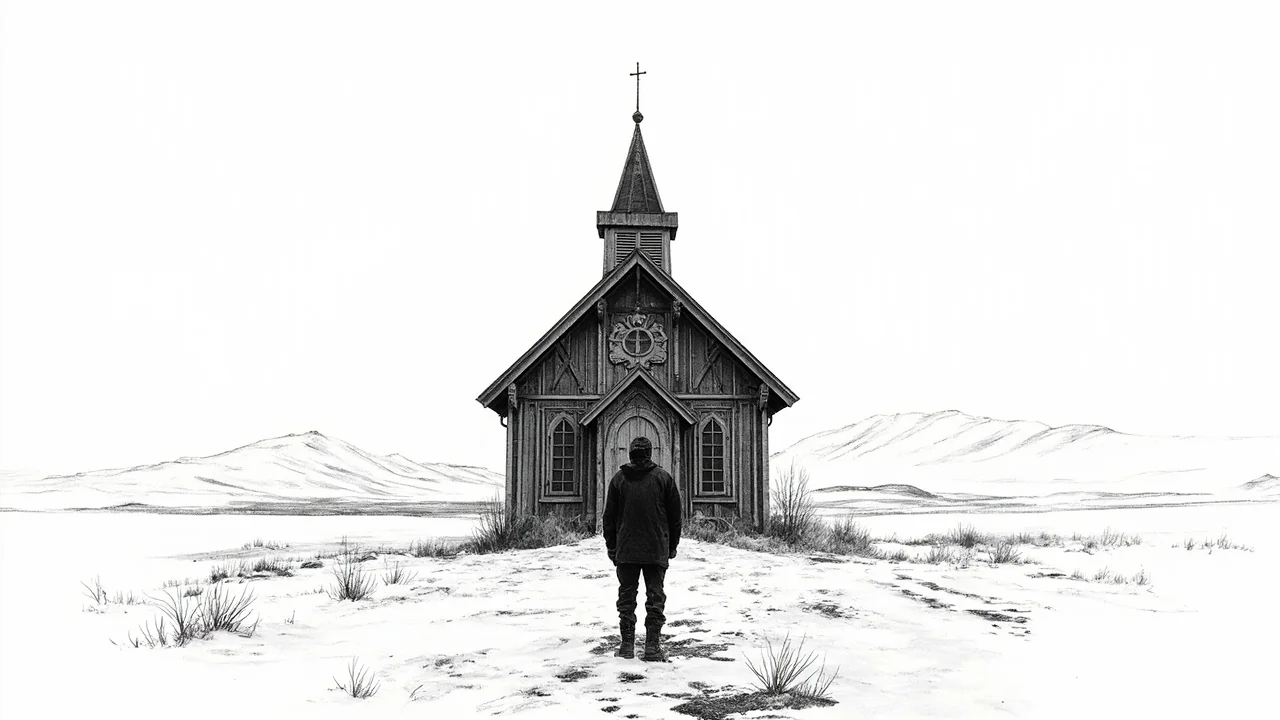
Norway's Arctic parishes are confronting a severe clergy shortage after three parishes in North Troms received just two job applications for three vacant positions. The municipalities of Nordreisa, Kåfjord, and Lyngen have been searching for new parish priests, but when the application deadline passed on January 15, only two applications had arrived. Both came from the same person, a 37-year-old priest from Finland who applied for the positions in both Lyngen and Kåfjord. No one applied for the position in Nordreisa.
A Worsening National Trend
Bishop Stig Lægdene of the Diocese of Nord-Hålogaland confirmed the situation, stating the church is deeply concerned. He noted this is not a new problem, as attracting applicants to priest positions has been sparse for some time. This incident highlights a critical trend where remote and northern parishes struggle to fill essential roles within the Church of Norway. The challenge mirrors broader demographic and public service issues facing Norway's northern regions, where attracting and retaining professionals in healthcare, education, and other sectors remains difficult.
The Broader Impact on Arctic Communities
The shortage of priests directly impacts community life in these small Arctic towns. Parish priests in Norway play a central role not only in leading worship but also in conducting baptisms, confirmations, weddings, and funerals. They are often key figures in community cohesion and provide pastoral care. The lack of a permanent spiritual leader can leave a significant void, particularly for elderly and established community members for whom the church is a cornerstone of social life. This professional vacuum forces church administrators to rely on temporary solutions, such as interim priests or sharing a single priest across multiple parishes, which can strain resources and reduce the consistency of pastoral care.
A Structural Challenge for the State Church
This recruitment crisis speaks to a larger structural challenge for the Church of Norway, which became a separate legal entity from the state in 2017 but remains the national church. While overall membership is declining gradually, the church still holds a central cultural and ceremonial position in Norwegian society. The workload and isolation associated with serving in remote Arctic parishes can be a deterrent. Furthermore, the path to becoming a priest involves a demanding six-year university education, which can lead graduates to seek positions in larger, more central congregations where logistical and social challenges are less pronounced. The financial and practical realities of moving a family to a remote fjord community are significant factors in this recruitment puzzle.
Seeking Solutions in a Secularizing Society
The church leadership is now forced to explore alternative models. Bishop Lægdene's expressed worry suggests that administrative measures will be necessary to address the immediate need. Potential solutions could include enhanced financial incentives, improved housing provisions, or creating shared priest roles that cover larger geographic areas with adjusted responsibilities. There is also a conversation to be had about the role of lay people and deacons in taking on more duties. This situation occurs against the backdrop of an increasingly secular Norwegian society, where the societal role of the church is continually being renegotiated. However, in rural and northern areas, the church often retains a stronger communal presence than in urban centers, making its functional survival there a distinct priority.
A Microcosm of Northern Norway's Dilemma
The vacant pulpits in Nord-Troms are a microcosm of the wider challenges facing Northern Norway. They reflect the tension between maintaining a full suite of public and cultural services and the realities of population distribution and professional migration trends. It raises a fundamental question for Norwegian policy: how to ensure equitable service provision across its vast geography, from the urban south to the sparsely populated Arctic coast. The state's commitment to decentralized settlement is tested by such practical recruitment failures. The church's struggle to staff its parishes is, in many ways, parallel to the state's struggle to staff its schools and clinics in the same regions.
What Comes Next for Nordreisa, Kåfjord, and Lyngen
Immediately, church authorities must find a way to provide pastoral services to these three parishes. The Finnish applicant presents one potential solution for two of the three communities, but Nordreisa remains without a single candidate. The process will likely be extended, and temporary arrangements made. The long-term outlook, however, requires a systemic response. If the Church of Norway cannot guarantee a priest for its northern parishes, it may need to fundamentally rethink its ministry model in the Arctic. This could lead to a more digital presence, greater reliance on visiting clergy, or a renewed focus on training and recruiting individuals specifically from northern Norway who have roots and resilience in the region. The empty rectories in Nord-Troms are a quiet alarm bell, signaling that even Norway's deeply ingrained institutions are not immune to the harsh realities of geography and changing times.