
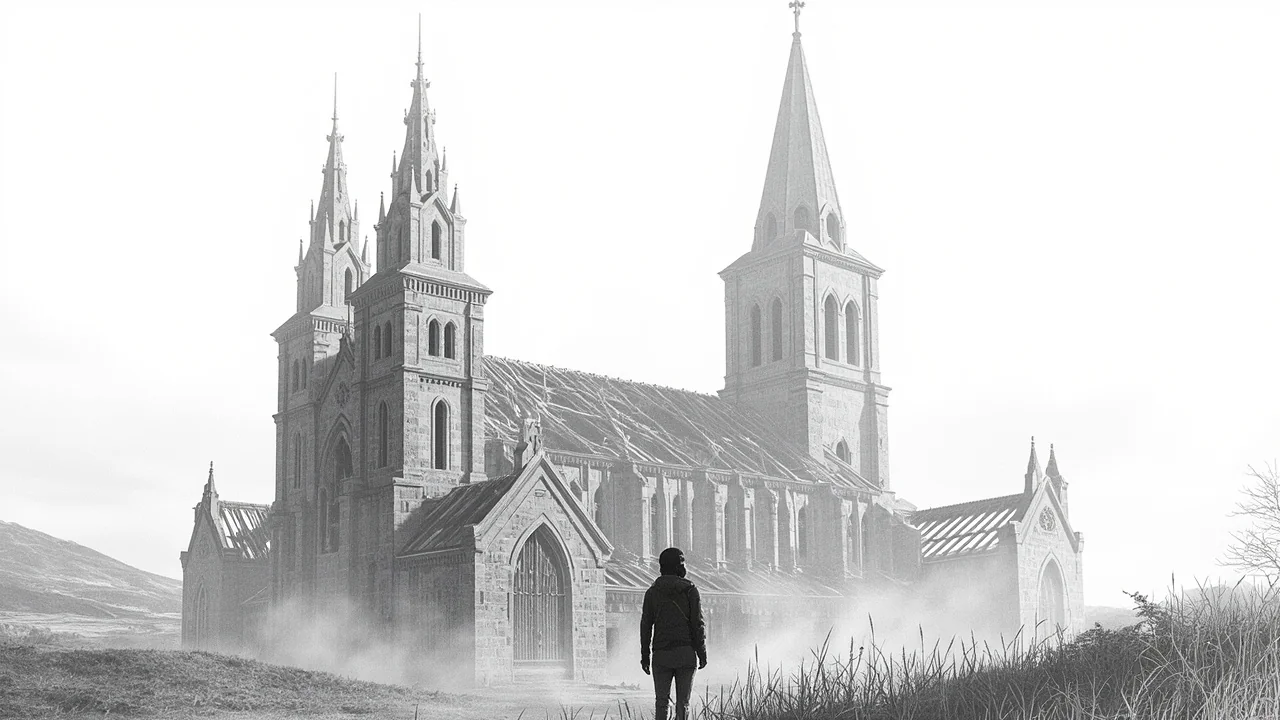
Norway's historic churches are decaying at an accelerating rate. A fresh report shows the maintenance condition of over half the country's churches has worsened since 2021. The survey, conducted by the main organization KA among church owners nationwide, reveals deterioration across all twelve areas inspected. This alarming trend signals a mounting crisis for the nation's cultural heritage.
A Worsening State of Repair
The findings present a clear and negative trend. The report does not offer a specific percentage for churches in poor condition, but it states definitively that the situation for more than half has deteriorated over the past three years. The inspection covered twelve key areas of church maintenance and building integrity. The results showed decline in every single category, indicating a broad-based and systemic problem rather than isolated issues.
Svein Askekjær, church warden in Drammen and leader of Norges Kirkevergelag, reacted strongly to the report. He stated the data proves a major concerted effort is needed to preserve Norway's churches. "This shows that a major effort is needed to preserve our churches, and the job becomes bigger the longer we wait," Askekjær said. His statement underscores the time-sensitive nature of the preservation challenge.
The Financial and Structural Challenge
The responsibility for maintaining Norway's churches is a shared one, creating a complex financial landscape. Askekjær pointed to the existing state support mechanism, the church preservation fund. "The state provides grants through the church preservation fund," he noted. However, he immediately highlighted the critical role of local municipalities. "But we are dependent on the municipalities also contributing," he added.
This dependency on local government funding is a central part of the problem. Municipal budgets are often stretched thin, with competing priorities for healthcare, schools, and infrastructure. Church maintenance, especially for older, architecturally complex buildings, is extremely costly. Projects can involve specialized crafts, historical materials, and structural repairs that far exceed the budgets of small parishes or local councils. The report suggests that current funding levels, from both state and municipal sources, are insufficient to counteract the natural decay and wear on these aging buildings.
Expert Perspective on Implications
The consistent decline across all inspected areas points to a failing system. When a building shows problems in roofing, masonry, woodwork, and interior elements simultaneously, it often means basic, preventative maintenance has been deferred for too long. Small leaks become major timber rot. Minor cracks in stonework allow water ingress that compromises structural integrity. The cost of repair escalates exponentially compared to the cost of regular upkeep.
Askekjær's role as a church warden provides a ground-level view of the implications. Wardens are directly involved in managing these buildings, dealing with contractors, and trying to balance limited funds with endless needs. His warning that "the job becomes bigger the longer we wait" is a practical, economic truth in building conservation. Each year of delay can add millions of kroner to eventual restoration costs. For smaller, rural churches, a single major repair like a new roof can represent an insurmountable financial hurdle, potentially leading to permanent closure or even demolition by neglect.
Furthermore, the loss extends beyond the religious community. These churches are central to Norway's architectural history and cultural identity. They serve as community hubs, tourist destinations, and historical landmarks. Their deterioration represents a loss of national heritage, artistic detail, and social space. The report acts as a quantified alarm bell for this broader cultural loss.
The Path Forward and Shared Responsibility
The solution, as framed by the reaction to the report, requires a renewed and escalated commitment. The state's church preservation fund is a necessary tool, but the report implies its current scale may be inadequate. A "major effort," as Askekjær calls for, would likely require increased allocations from this fund. Simultaneously, there must be a push to ensure municipalities prioritize their share of church maintenance in local budgets. This could involve clearer national guidelines, matching grant schemes to incentivize local spending, or even a re-evaluation of how maintenance responsibilities are legally and financially shared.
Public awareness and advocacy are also crucial. When local communities understand the economic and cultural value of their church, they can pressure local politicians to allocate funds. National heritage organizations can play a role in highlighting churches most at risk. The report provides the hard data needed to make a compelling case to taxpayers and policymakers alike. It shifts the argument from anecdotal concerns about a leaky vestry to a documented, nationwide pattern of decline.
A Race Against Time for Heritage
The message from this national survey is unambiguous. Norway's church buildings are losing the battle against time and the elements. The deterioration is widespread, affecting a majority of structures and every aspect of their upkeep. While the financial framework for preservation exists, the current application of that framework is failing to keep pace with the decay. The call from church wardens is for immediate, scaled-up action from both the national and municipal levels. Without a significant and coordinated response, the cost—both financial and cultural—will only continue to grow. The preservation of these historic buildings is now a pressing national concern, demanding a solution as substantial as the problem itself.