
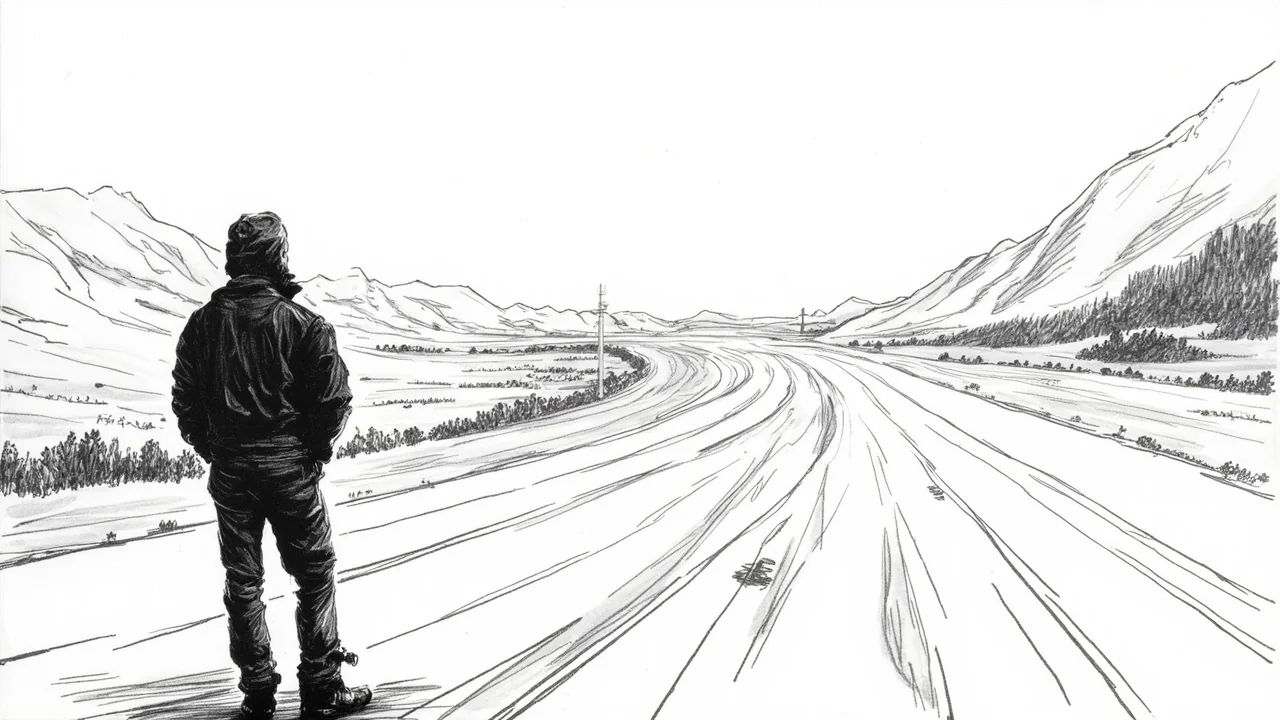
Norway's Public Roads Administration has called an emergency meeting after a fatal accident involving a tourist. The incident has intensified long-standing local frustrations over tourist behavior on roads in Northern Norway, particularly in the Lofoten archipelago.
A Fatal Accident Triggers Immediate Action
Statens vegvesen, the Norwegian Public Roads Administration, convened a hastemøte or emergency meeting following the dødsulykke, or fatal accident. While specific details of the accident have not been released, the authority's swift response underscores the severity of the situation. This meeting aims to address what officials describe as "store utfordringer" or major challenges in several locations across Nord-Norge, the northern region of the country. The call for urgent discussion highlights a growing administrative concern that isolated incidents are part of a broader, systemic problem affecting road safety in popular tourist areas.
Local Fears and Frustrations in Lofoten
In Flakstad, a municipality in the scenic Lofoten islands, resident Jens Olav Bentsen voiced the anxieties of many locals. "Det er skremmende det som foregår. Vi er redde når vi kjører," he said, translating to, "It is frightening what is happening. We are scared when we drive." Bentsen, who has reportedly grown thoroughly tired of tourists on the roads, attributed the danger to a perceived indifference. "De er likegyldige til både egen og andres sikkerhet," he stated, meaning, "They are indifferent to both their own and others' safety." This sentiment captures a core conflict in regions where breathtaking natural beauty attracts visitors but where infrastructure and local life are strained by seasonal influxes. For residents like Bentsen, daily commutes and travel have become sources of apprehension rather than routine.
The Broader Challenge of Tourism and Infrastructure
The issues cited by Bentsen are not confined to a single village or road. The reference to "flere steder i Nord-Norge" or several places in Northern Norway indicates a widespread phenomenon. This region, with its dramatic fjords, fishing villages, and the Arctic landscape, experiences significant tourist traffic, especially during summer months. Narrow, winding roads that were not designed for high volumes of international drivers become shared spaces where differing driving norms and expectations can clash. The lack of detailed statistics in the source material does not diminish the lived reality for northern communities, where anecdotal evidence and personal experiences build a consistent narrative of hazard and frustration. The emergency meeting by Statens vegvesen is a formal acknowledgment that these localized reports have culminated in a tragedy demanding official attention.
Analyzing the Path Forward for Authorities
The congression of an emergency meeting suggests that Norwegian authorities are treating this fatality as a potential catalyst for policy review or new safety initiatives. While no specific measures are announced in the source, the very act of calling such a meeting implies a recognition that standard protocols may be insufficient. The analysis here must stem from the facts presented: a death has occurred, locals express fear and blame tourist behavior, and the responsible government agency is mobilizing quickly. This sequence points to a likely examination of existing traffic management in tourist hotspots, potential awareness campaigns targeting visitors, and possibly increased signage or patrols during peak seasons. The outcome of the hastemøte will be critical in determining whether reactive measures or longer-term strategic changes are prioritized.
A Look Ahead: Safety Versus Accessibility
As Statens vegvesen deliberates, the core question remains how Norway can preserve the openness that makes its northern regions magical while preventing further loss of life. The tragic accident serves as a stark reminder that the freedom to explore comes with shared responsibility. Will this event lead to tangible changes on the ground in places like Flakstad, or will it be another brief headline in the seasonal cycle of tourist complaints? The answer hinges on the authorities' next moves. For now, the fear expressed by residents like Jens Olav Bentsen is a powerful indicator that the status quo is broken. The coming weeks will reveal if a single, sobering accident can forge a new path toward safer roads for all who travel them.