
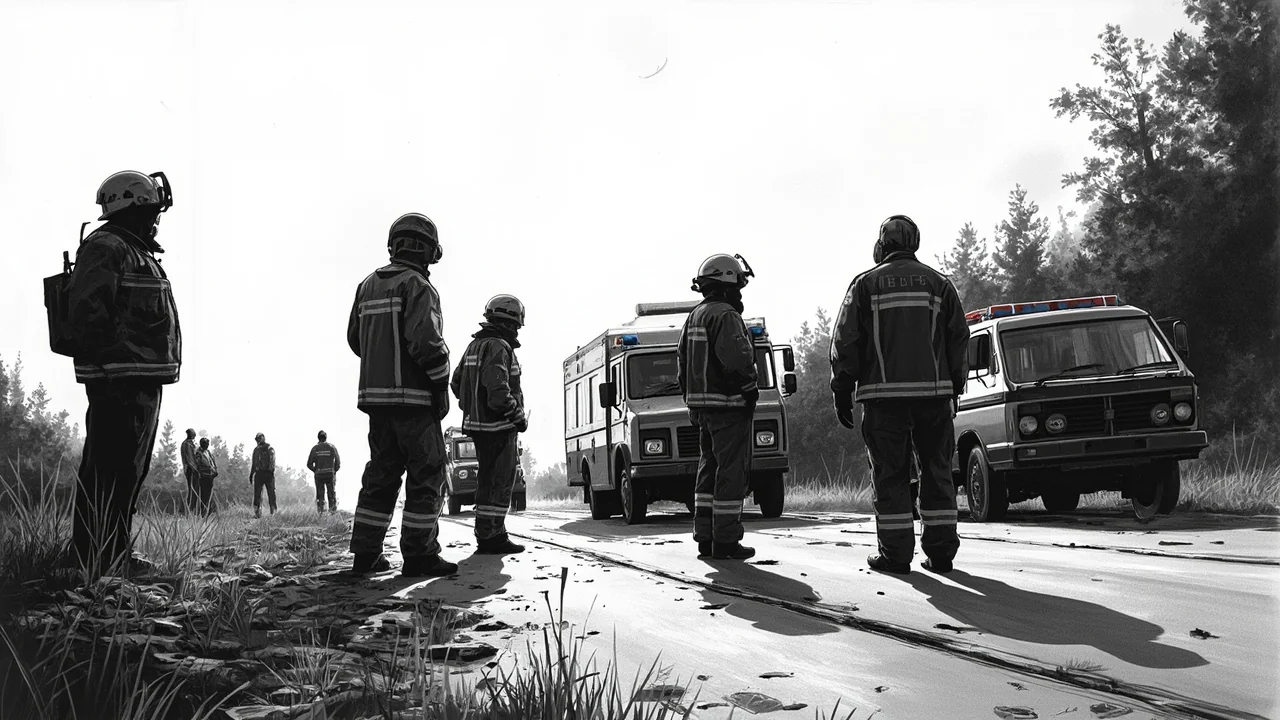
Norway traffic accident on a road in Bryne has resulted in the death of 58-year-old Leif Magne Fiskebekk. Police confirmed the collision involved a personal car and a van, with emergency services including an air ambulance responding to the scene. Police attorney Christina Nessa said the man's life could not be saved despite their efforts. The name was released in consultation with the relatives, and authorities are investigating the circumstances of the crash.
The Scene of the Collision
Bryne, a community in Rogaland county, witnessed a severe traffic incident that halted local activity. The collision occurred between two vehicles, leading to immediate deployment of police, fire services, and medical teams. Christina Nessa, in her statement, emphasized the rapid response but noted the fatal outcome. This accident underscores the sudden nature of road tragedies in Norwegian towns, where even routine travel can turn perilous.
Local residents reported hearing the impact, with first responders arriving within minutes to secure the area. The air ambulance, a critical component of Norway's emergency medical system, was dispatched but could not alter the outcome. Such incidents highlight the importance of road safety measures across the country, from urban centers to rural areas like Bryne.
Emergency Response and Investigation
Norwegian emergency services followed standard protocols for traffic accidents, with police securing the site for investigation. Christina Nessa detailed that the collision involved a car and a van, but specific causes are under review. Norway has a robust system for handling road incidents, often involving multiple agencies to ensure thorough probes and support for affected families.
The use of air ambulances in Norway is common for remote or serious accidents, reflecting the country's investment in healthcare infrastructure. However, in this case, it was not enough to save Leif Magne Fiskebekk. The police are likely to examine factors like road conditions, vehicle speeds, and driver behavior, which are routine in such investigations.
Families and communities in Bryne are now grappling with the loss, as authorities work to provide clarity. The release of the victim's name was done cautiously, respecting privacy during a difficult time. This approach aligns with Norwegian norms for handling sensitive information after tragedies.
Traffic Safety Context in Norway
Norway consistently ranks high in global road safety indexes, with policies like Vision Zero aiming to eliminate traffic fatalities. However, accidents like the one in Bryne remind us that risks persist. In recent years, Norwegian authorities have focused on reducing speeds, improving vehicle safety standards, and enhancing emergency responses.
Rogaland county, where Bryne is located, has seen various safety initiatives, including better signage and road maintenance. The Storting has debated funding for regional infrastructure, tying transport safety to broader national priorities. While specific statistics for this incident aren't available, overall Norwegian traffic death rates have declined, but each case prompts renewed scrutiny.
For communities, such events often spark discussions on local road design and driver awareness. In Bryne, this accident may lead to calls for increased patrols or safety audits on the involved route. Norwegian policy often evolves from these tragedies, influencing future regulations and public campaigns.
The Human Impact in Bryne
Leif Magne Fiskebekk's death leaves a void in his community, with friends and neighbors likely mourning the loss. At 58, he represents a demographic that is often active in local life, and his passing may resonate through social circles. Norwegian society places strong emphasis on community support during times of grief, with local organizations often stepping in.
Without invading privacy, it's clear that such accidents affect more than just statistics. They disrupt families, challenge emergency systems, and prompt reflections on personal safety. In Bryne, this incident might lead to vigils or community meetings to address concerns and honor the victim.
The police handling of the case, with careful communication, aims to balance transparency with compassion. This reflects broader Norwegian values in public administration, where citizen welfare is paramount. As the investigation continues, updates may provide lessons for preventing similar tragedies.