
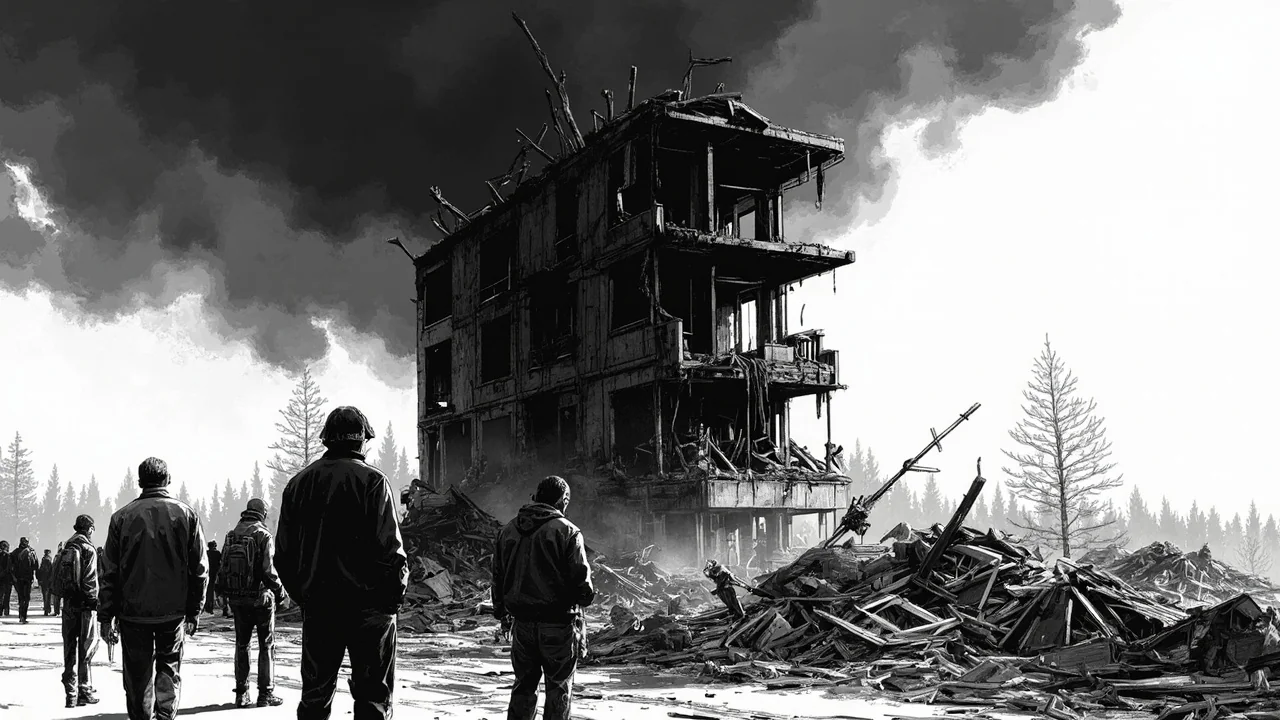
Norway faces another residential fire emergency as a major blaze engulfed one apartment and spread to a building's exterior facade in Vestnes municipality. Police in Møre og Romsdal reported the fire in a multi-unit residential building, with the incident now under investigation by local emergency services.
Operational leader Sindre Molnes confirmed the severity of the situation. “There is a full-blown fire in one apartment and there has been spread to the outer facade,” Molnes said in a statement. This detail highlights the rapid escalation potential inherent in such densely populated residential structures, a key concern for Norwegian fire safety officials.
The immediate police report provided no details on potential casualties or the exact number of residents displaced. The focus for first responders remains on containing the blaze and preventing further structural damage to adjacent units within the building. The call for emergency services likely came from neighbors or residents themselves, triggering a standard multi-agency response protocol.
Emergency Response in Møre og Romsdal
The response to the Vestnes fire involves coordinated efforts from local police, fire departments, and potentially medical teams. Møre og Romsdal police district, responsible for a vast geographical area including coastal and inland communities, manages such incidents through its central operational command. The confirmation of fire spread to the facade indicates the response required exterior firefighting tactics, likely involving ladder trucks and high-pressure hoses to protect neighboring structures and prevent vertical spread.
Municipalities like Vestnes, with a population of approximately 7,000, rely on well-drilled procedures between volunteer and professional fire crews. The building's design and materials, common to many Norwegian apartment blocks built in the latter half of the 20th century, can influence fire behavior and suppression strategies. Investigations following containment will scrutinize these factors alongside the building's compliance with national fire codes.
Context of Norwegian Building Safety
This incident occurs within an ongoing national conversation about building safety and regulations in Norway. While the country maintains strict fire safety codes for new constructions, existing residential stock presents an ongoing challenge. The spread of fire to an exterior facade, as reported by Molnes, raises immediate questions about cladding materials and compartmentalization within the building, topics that have gained prominence in fire safety reviews across Scandinavia.
Residential fires in multi-unit buildings pose unique risks due to shared ventilation systems, attic spaces, and exterior wall assemblies. Norwegian building authorities have progressively tightened regulations, particularly concerning insulation and facade materials, following international incidents that demonstrated how quickly fires can climb external surfaces. The Vestnes fire will likely be logged as a case study for municipal safety directors reviewing local preparedness.
The Aftermath and Investigation Path
Once the fire is extinguished, the process of securing the structure and initiating an investigation will begin. Police, in cooperation with the fire service's investigative unit, will work to determine the point of origin and the cause of the blaze. This forensic process is methodical, involving scene documentation, witness interviews, and technical analysis of electrical systems and potential heat sources within the gutted apartment.
The building's residents face an uncertain immediate future. Those in unaffected units may be allowed to return once structural engineers confirm safety, while occupants of the fire-damaged and adjacent units will require temporary housing. Local municipal social services typically activate support plans in such situations, providing practical assistance for displaced families. The psychological impact on residents, particularly children and the elderly, is a recognized aspect of such community trauma, often addressed by local health services in the weeks following the event.
Community Impact in a Small Municipality
In a close-knit community like Vestnes, a fire of this scale resonates deeply. It is not merely a property loss but a community event that disrupts the social fabric. Neighbors often provide the first wave of support, offering shelter, clothing, and meals to those affected. The local Red Cross and volunteer organizations frequently mobilize to collect donations and provide logistical help, embodying the Norwegian principle of 'dugnad' – communal voluntary work.
The economic ripple effects are also tangible. Property damage impacts insurance portfolios, temporary displacement affects local commerce, and the municipal budget absorbs the costs of emergency response and subsequent inspections. For the owners of the building, the path involves navigating insurance claims, contractor bids for demolition or repair, and consultations with residents about the future of their homes. This administrative and financial process can take months or even years to resolve fully.