
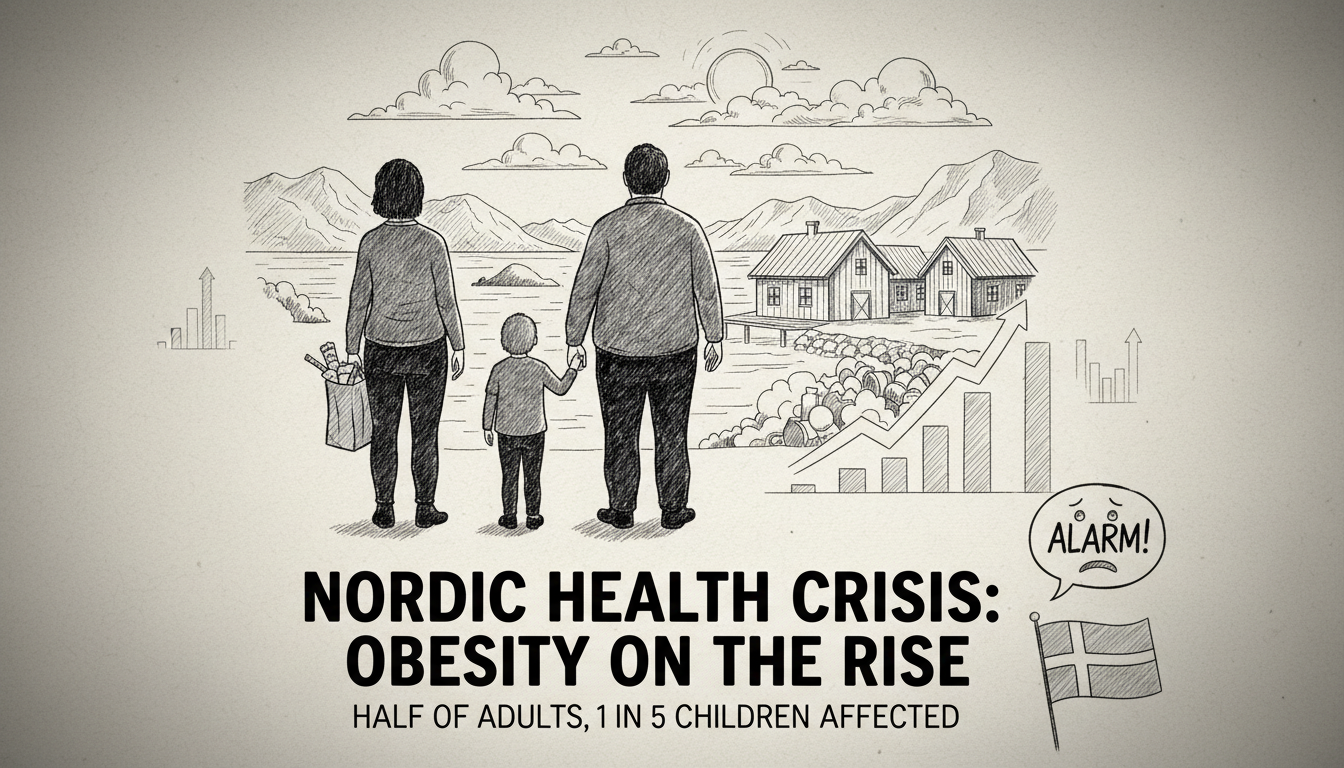
A major new study paints a concerning picture of public health across the Nordic region. The research shows a clear negative trend in dietary habits and physical activity, leading to increased rates of overweight and obesity among both adults and children. The findings have prompted serious reflection among health officials and policymakers. For many residents, the numbers confirm a daily struggle with lifestyle and weight management.
The comprehensive Nordic study involved interviews with thousands of adults and children across Denmark, Sweden, Norway, Finland, and Iceland. It examined diet, physical activity, weight, and the use of alcohol, tobacco, and nicotine products. When comparing data from a decade ago to the latest results, a consistent pattern emerges across borders. People are eating less fruit, vegetables, and whole grains. Consumption of high-sugar foods is rising sharply. Notably, the intake of energy drinks has doubled over the past ten years.
The statistics are stark. Fifty-six percent of adults in the Nordic region are now classified as overweight or obese. The same is true for one in every five children. These figures represent an increase compared to a decade prior. While Denmark's adult obesity rate has remained statistically stable and sits below the Nordic average, the country's average Body Mass Index has risen from 25.5 to 26.1 over the same period. The report also notes that Danes consume the most alcohol and the most meat in the region.
Sisse Fagt, a senior advisor at the National Food Institute and a co-author of the report, expressed deep concern. She stated that the development is moving in the wrong direction on virtually all fronts, which has been unsettling for the research team. She noted the decline in healthy foods and the rise in sugar and weight, finding little positive to report. The conclusions have also worried the Secretary-General of the Nordic Council of Ministers, Karen Ellemann. She warned that the region is on a path toward becoming a sedentary and overweight population that spends too much time in front of screens while eating unhealthy and unsustainable food.
This trend presents a complex challenge for the Danish welfare system, which is built on a healthy, productive population. Rising obesity rates strain healthcare resources and can impact long-term social stability. The report concludes that political measures could play a decisive role in reversing this development. Suggested interventions include limiting advertising of unhealthy foods to children, retail regulation of alcohol and nicotine products, and using pricing and taxation to guide consumption. For a society that prides itself on social cohesion and quality of life, these findings are a direct call to action for community leaders and municipal social centers to develop more effective public health strategies.
The personal impact is felt in cities like Copenhagen, where integration and social policy often focus on employment and language, but public health is a foundational element of successful inclusion. Unhealthy trends can disproportionately affect vulnerable communities, creating additional barriers. The data suggests that current approaches may need reevaluation to address the root causes of these lifestyle shifts, which often stem from economic pressure, time constraints, and changing social norms. The next steps will require honest conversation about the limits of individual responsibility and the role of structural policy in shaping a healthier Nordic future.