
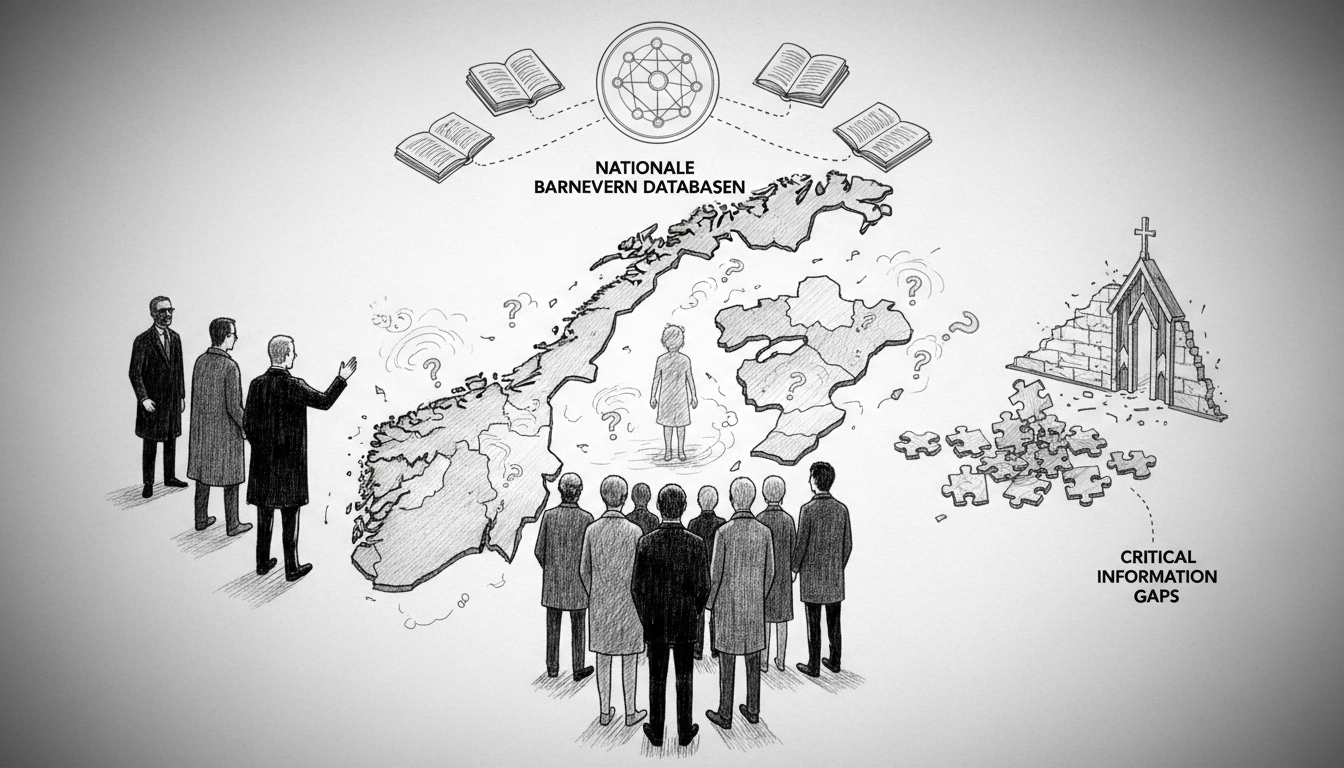
Norwegian politicians are pushing for a unified national database for child welfare services. This follows a critical report about a girl who moved 20 times to avoid oversight. The case exposed gaps in information sharing between municipalities. The debate in parliament highlights a systemic issue. Cross-party support exists for a technological solution. The government is now reviewing formal proposals for a new system.
Child and Family Minister Lene Vågslid acknowledged the problem in a parliamentary session. She said the story was difficult to read. She pointed to recent reforms, including expanded duty-to-report laws. Many municipalities are adopting new data systems. A recent expert report on state child welfare organization also suggested a common national system. That report is now out for consultation. The minister will consider all suggestions after the consultation ends.
Opposition politicians are applying pressure for faster action. The Conservative Party's family policy spokesperson, Tone Wilhelmsen Trøen, challenged the minister directly. She said the findings of the report are serious. The story of the girl, referred to as Tina, has rightly made an impression. It is impossible to know how many others have similar experiences. Trøen urged the minister to start work on a national system immediately. She said her party will consider proposing legislation with a strict deadline if the government's response is inadequate.
Other parties agree on the need for a national solution. The Socialist Left Party's spokesperson, Mirell Høyer-Berntsen, submitted a written question on the issue this week. She said her party will push for the government to prioritize this in the work on a new professional system. They will follow up in parliament to ensure progress. The Christian Democratic Party and the Red Party also advocate for a national system. They argue that when child welfare leaders and expert committees point to the same need, the case is clear.
The core problem is information loss when families move across municipal borders. Without a shared system, a child's history can disappear. This creates a safety risk. A national database would allow caseworkers full access to a child's file. It would function similarly to systems used by police and health services. The political consensus suggests Norway is moving toward a major digital transformation in its child protection sector. This shift aims to prioritize child safety over administrative boundaries.
The push for this system reflects a broader Nordic trend toward digital governance. Norway has invested heavily in national digital infrastructure in other sectors. Applying this model to child welfare is a logical but complex step. It involves balancing data accessibility with strict privacy protections. The outcome of this political debate will shape how Norway protects its most vulnerable citizens for years to come. The next step is the government's formal response to the consultation, which will determine the project's timeline and scope.