
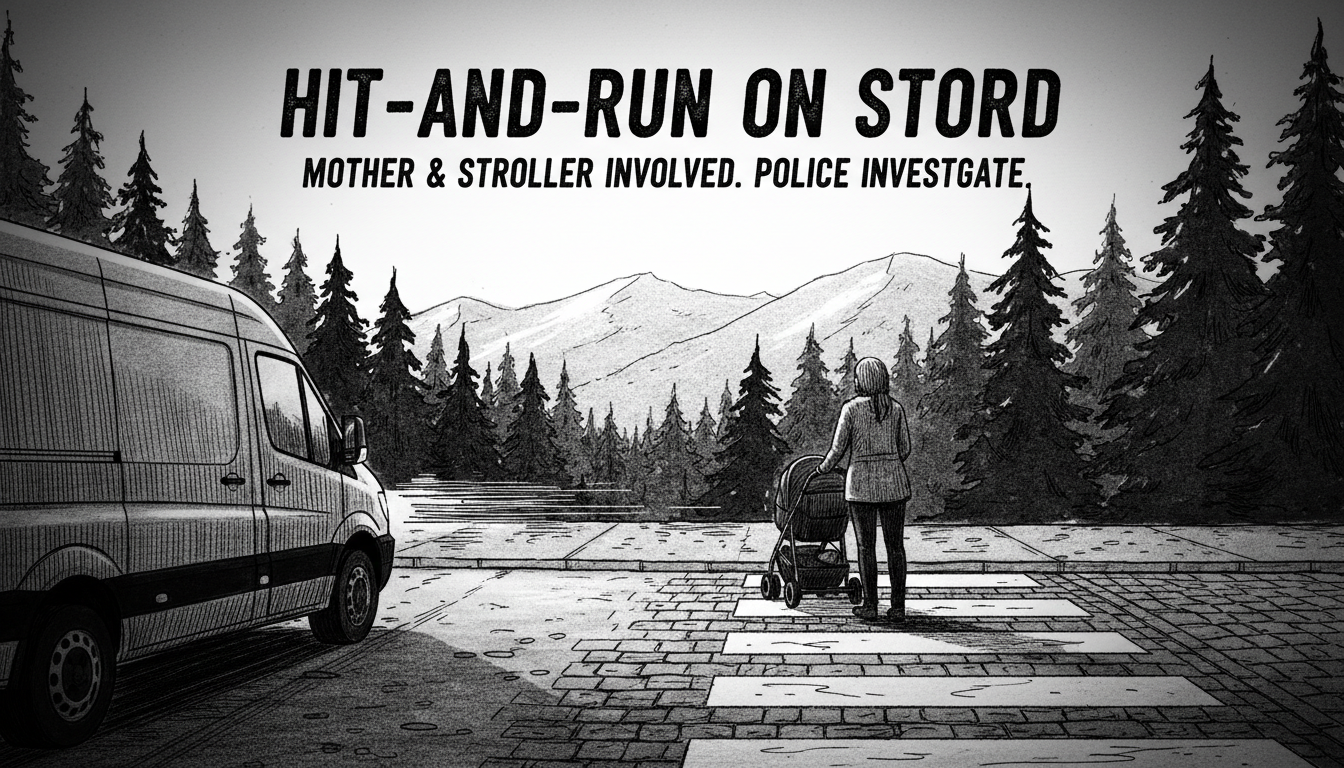
Norwegian police are investigating a serious hit-and-run incident on Stord island where a delivery van struck a woman pushing a stroller. The driver initially stopped but then left the scene before authorities arrived. Emergency services responded to Holevegen road following reports of the collision during morning hours.
The mother sustained body injuries and was transported to Stord Hospital for medical evaluation. Her child appeared unharmed and was placed with family members. A dog accompanying the woman also received impact injuries during the incident.
Police quickly identified the delivery company involved through vehicle markings. Officers made immediate contact with the firm's management to determine the driver's identity. This prompt corporate cooperation demonstrates Norway's structured approach to commercial vehicle accountability.
By mid-morning, the driver voluntarily contacted police authorities. He is now undergoing formal questioning about the sequence of events. Norwegian traffic investigators will examine whether charges apply for leaving an accident scene.
Norway maintains strict traffic safety protocols, particularly regarding vulnerable road users. The country's Vision Zero policy aims to eliminate serious traffic injuries entirely. This incident tests those safety commitments in practical terms.
Hit-and-run cases remain relatively uncommon in Norwegian communities. The nation's high trust society typically sees drivers accepting responsibility for accidents. This case represents an exception to established behavioral patterns.
Local residents expressed concern about pedestrian safety along Holevegen following the incident. The road serves both residential and commercial traffic near Stord's urban center. Municipal authorities may review traffic calming measures in response.
Norwegian law mandates severe penalties for drivers who leave accident scenes. Offenders face license suspension and potential imprisonment depending on injury severity. The courts consider protection of vulnerable road users a priority concern.
Commercial vehicle operators face additional scrutiny under Norwegian transport regulations. Companies must maintain rigorous driver training and accountability systems. The involved firm now faces potential reputational and legal consequences.
This incident highlights ongoing challenges in balancing commercial delivery needs with pedestrian safety. Norwegian urban planners continue working to separate vehicle and foot traffic in community designs. The Stord case may influence future infrastructure planning decisions.
Police expect to complete their initial investigation within several days. Prosecutors will then determine whether criminal charges apply to the driver's actions. The mother's medical condition will significantly influence legal outcomes.