
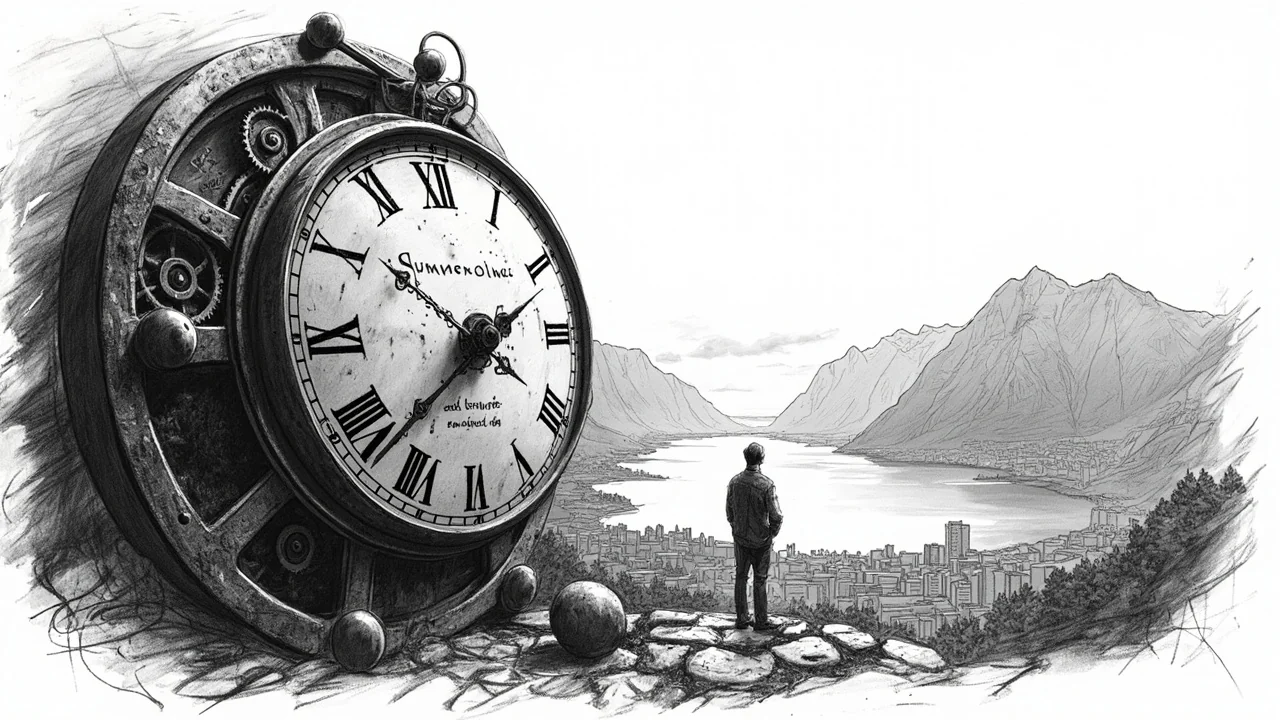
Clocks across Norway were set forward by one hour on the night of March 28-29, 2026, marking the official start of daylight saving time for the summer season. This annual clock change is a seasonal event with a broad impact on public life throughout the Nordic country. The adjustment means that evenings will have more daylight, while mornings will temporarily be darker. This time shift affects everything from public transportation schedules and business hours to television programming and school timetables. It is a coordinated change that aligns Norway with many other European nations, ensuring synchronicity in cross-border activities and communications. The practice of moving clocks forward in spring and back in autumn has been a recurring feature of the calendar for decades. While the change is routine, it requires adjustments from citizens, organizations, and government services. People are reminded to update clocks on appliances, vehicles, and other non-automated devices. The switch also prompts discussions about sleep patterns and daily routines as the population adapts to the new time. The extra hour of evening daylight is typically associated with increased outdoor activity and altered energy consumption patterns in homes and businesses. The next scheduled time change will occur in late October 2026, when clocks will be set back one hour to return to standard time. This will bring an earlier sunset but more light in the morning hours. The biannual clock adjustments continue to be a standard practice, impacting the rhythm of life from Oslo to the Arctic regions of the country.
🇳🇴 Norway
29 March 2026 at 08:02
3116 views
SocietyNorway Switches to Daylight Saving Time for Summer Season
In brief
Norway has switched to daylight saving time, moving clocks forward one hour. The change brings longer evenings and affects schedules nationwide. The next time adjustment is set for late autumn.
- - Location: Norway
- - Category: Society
- - Published: 29 March 2026 at 08:02
Illustration
Advertisement