
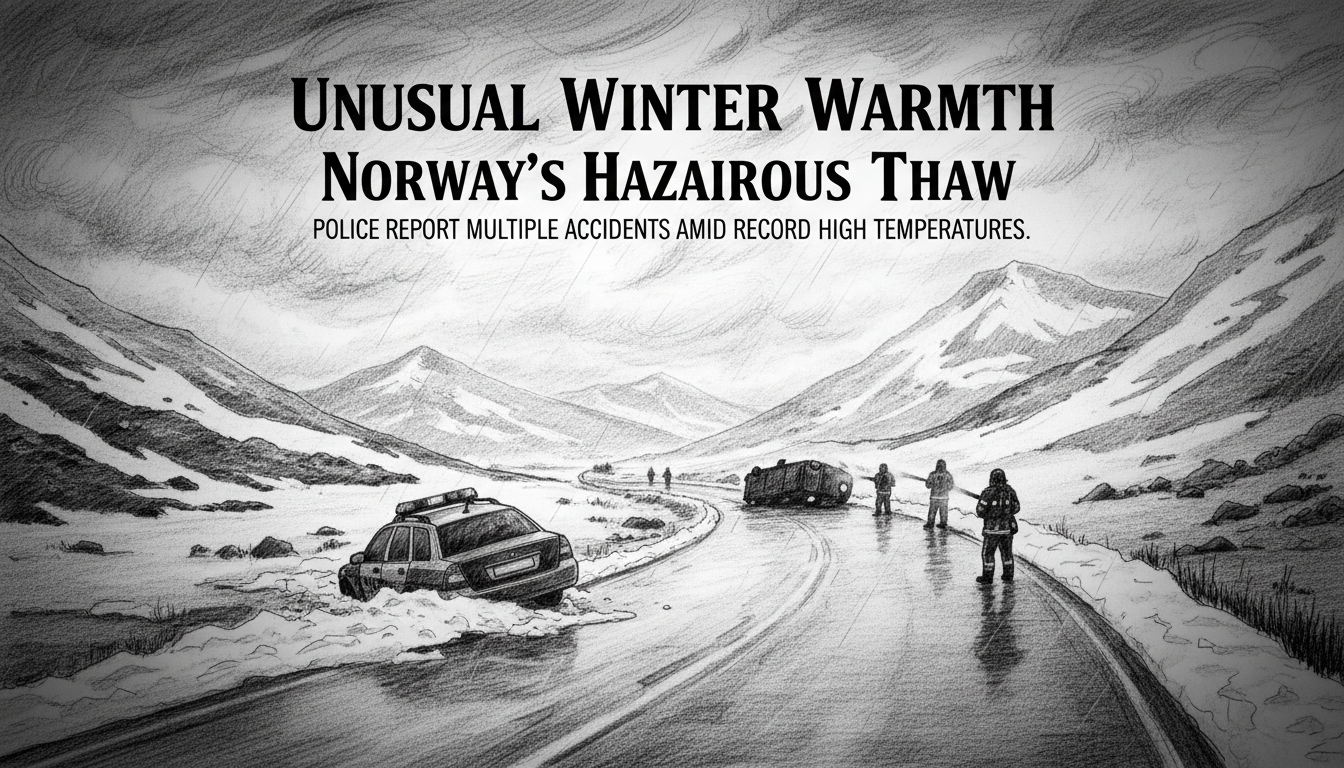
Norway experiences a dramatic weather reversal as unseasonably warm temperatures replace typical freezing conditions. The sudden shift from bitter cold to spring-like warmth caught many residents by surprise during what is normally the coldest period. Temperatures soared into double digits across multiple regions, creating unusual comparisons and unexpected hazards.
In Tafjord's western regions and Romsdal, residents experienced remarkably mild 13.7 degrees Celsius, while Sunndalsøra reached 13.6 degrees. Lysebotn and Bergen recorded temperatures over 11 and 12 degrees respectively. Even the capital Oslo measured nine degrees, matching temperatures in Marrakesh, Morocco according to meteorological comparisons.
Norwegian meteorologists describe the phenomenon as highly unusual. A state meteorologist explained that seeing such mild temperatures simultaneously across multiple regions is exceptional. The combination of wind and foehn effects contributed to these elevated readings during what should be Norway's deep winter period.
The rapid weather change created immediate safety concerns across transportation networks. Police reported multiple incidents of slippery roads and accidents throughout affected areas. A road traffic official described particularly dangerous conditions where water covers underlying ice layers. The ground remains cold enough to maintain ice beneath surface water, creating deceptive and hazardous driving surfaces that have resulted in numerous reports to authorities.
This weather pattern represents a significant departure from Norway's typical winter climate. The country normally experiences consistent sub-zero temperatures during this season, with mountainous regions maintaining snow cover ideal for winter sports. The sudden warmth affects not only transportation but also winter tourism and local ecosystems adapted to cold conditions.
International readers familiar with Nordic winters might find this development surprising given Norway's reputation for stable cold weather patterns. The situation demonstrates how quickly weather systems can change in northern regions, with implications for infrastructure planning and emergency response protocols. Municipal authorities continue monitoring conditions while advising caution on roadways until temperatures stabilize.
What does this mean for Norway's famous winter activities? Many ski resorts and winter tourism operators face challenges during what should be their peak season. The unusual conditions also raise questions about changing weather patterns in Nordic regions and how communities adapt to increasingly volatile climate conditions.