
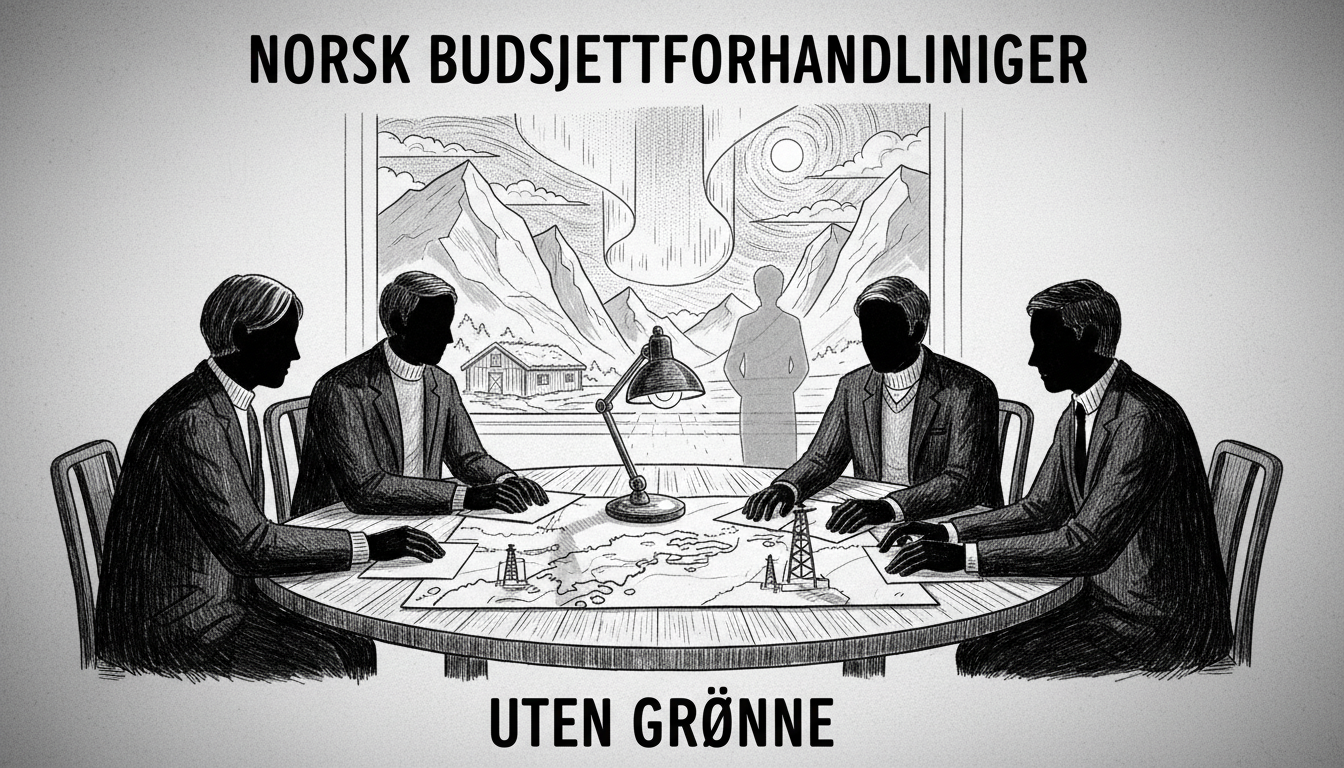
Budget negotiations for next year's government spending plan continue in Oslo this weekend. The talks proceed without the Green Party's participation after they announced a temporary pause in discussions. The Labor Party now negotiates directly with the Center Party, Socialist Left, and Red Party. All parties face a Monday deadline to reach consensus on the fiscal package.
These budget discussions occur at the Storting, Norway's national parliament building in central Oslo. The outcome will determine spending priorities across government ministries. Key areas under discussion include energy sector investments and Arctic development initiatives. Norway's oil and gas industry closely monitors these talks given their economic significance.
Budget negotiations typically involve intense bargaining between coalition partners. The current government formed by the Labor Party and Center Party requires support from smaller parties to pass legislation. This dynamic creates complex political mathematics for Prime Minister Jonas Gahr Støre's administration. The exclusion of the Green Party from current talks suggests environmental priorities may receive less emphasis in the final budget.
Norway's petroleum industry represents a crucial budget consideration. The country remains Europe's largest oil producer and second-largest natural gas supplier. Oil production averaged 1.83 million barrels per day in the third quarter across fields including Johan Sverdrup and Troll. Gas exports have increased substantially following European energy market shifts. Budget decisions will impact exploration licenses in the Barents Sea and development of Arctic resources.
The final budget package will outline infrastructure investments in northern regions. These include port facilities along the Norwegian coast from the Oslofjord to the Barents Sea. Arctic policy implementation depends heavily on budget allocations for surveillance and environmental monitoring. The government must balance economic development with climate commitments in remote northern territories.
Political observers note the challenging timing of these negotiations. Global energy market volatility creates uncertainty for Norway's petroleum revenue forecasts. The Government Pension Fund Global, valued at over $1.4 trillion, provides substantial fiscal flexibility. Yet budget debates reveal underlying tensions between traditional energy sectors and green transition goals.
The Monday deadline creates pressure for compromise among remaining parties. Failure to reach agreement could trigger broader government stability questions. Most analysts expect a resolution before the deadline, though potentially with last-minute concessions on environmental spending. The final budget will reveal which political priorities prevailed in this year's negotiations.