
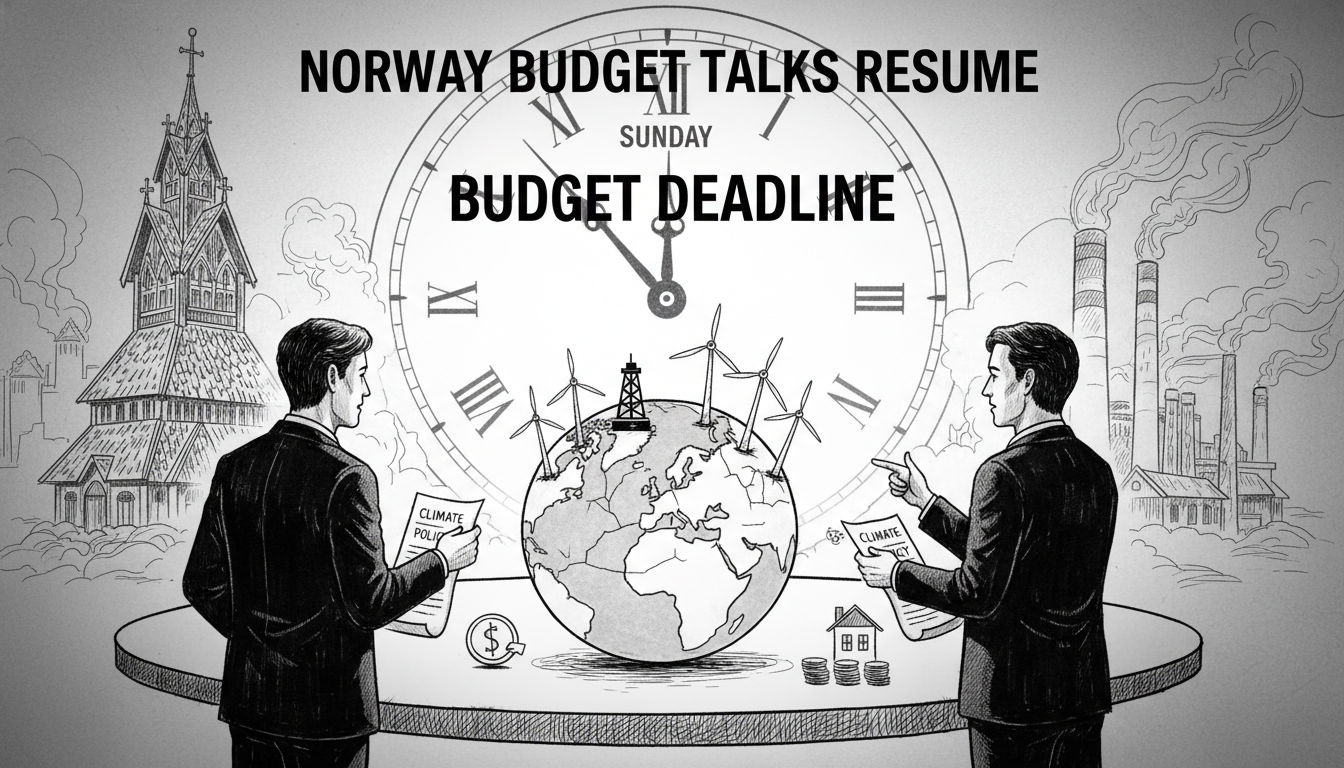
Norway's minority government faces critical budget negotiations this weekend as coalition partners return to the table. The Green Party temporarily paused discussions over climate policy concerns but resumed talks Saturday morning. Party leader Arild Hermstad confirmed the temporary break had ended while entering the Storting building.
The Socialist Left Party also returned to negotiations after their own Friday evening pause. Leader Kirsti Bergstø stated they would work throughout the day to reach a good agreement for the country. She emphasized no deal would be signed until all parties felt satisfied with the terms.
These budget discussions carry significant implications for Norway's energy sector and Arctic policies. The government must balance environmental commitments with economic realities in oil-producing regions. Several key northern oil fields including Johan Sverdrup and Snorre face potential policy impacts from these budget decisions.
The negotiations involve the Labor Party working with the Center Party, Socialist Left, Greens, and Red Party. This coalition building has continued for the past two weeks ahead of Sunday's final deadline. The original October budget proposal sparked controversy over education debt forgiveness and ferry subsidies.
Political tensions emerged when the Labor Party suggested cutting popular ferry routes and reducing student loan forgiveness programs. These proposals contradicted campaign promises made during summer elections. The initial plan would have reduced participating municipalities from 189 to 88 for debt relief programs.
Center Party leader Trygve Slagsvold Vedum strongly criticized these changes as evidence of Oslo-centric governance. He argued coastal communities were being overlooked in budget priorities. Conservative leader Erna Solberg acknowledged western Norwegians might feel neglected by current government decisions.
After substantial criticism, the Labor Party restored both ferry subsidies and expanded student debt forgiveness in their revised proposal. Finance policy spokesperson Tuva Moflag confirmed all types of education debt would be eligible for complete forgiveness under the new plan. The municipality count returned to the original 189 communities.
These budget negotiations reveal underlying tensions in Norway's political landscape. The Labor Party faces pressure from both left and center parties while maintaining their governing coalition. Regional disparities between Oslo and coastal areas continue influencing policy debates.
The outcome will affect Norway's oil industry operations in the North Sea and Barents Sea. Production figures from major fields like Troll and Goliat could see adjustments based on final budget allocations. Arctic development projects may also receive different funding levels depending on negotiation results.
Red Party leader Marie Sneve Martinussen emphasized the importance of strengthening welfare systems, particularly in municipalities. She expressed confidence in her party's negotiating position while entering the final discussions. All parties recognize the Sunday deadline creates pressure for compromise.
Norwegian budget negotiations typically involve complex bargaining between multiple parties. The current situation reflects broader European trends where coalition governments face challenging budget decisions. Energy transition policies and social welfare spending create particular tension in these discussions.
Final agreement requires balancing environmental goals with economic stability concerns. The Green Party's temporary pause demonstrated their commitment to climate policy priorities. Other parties maintain different focuses from regional development to social welfare improvements.