
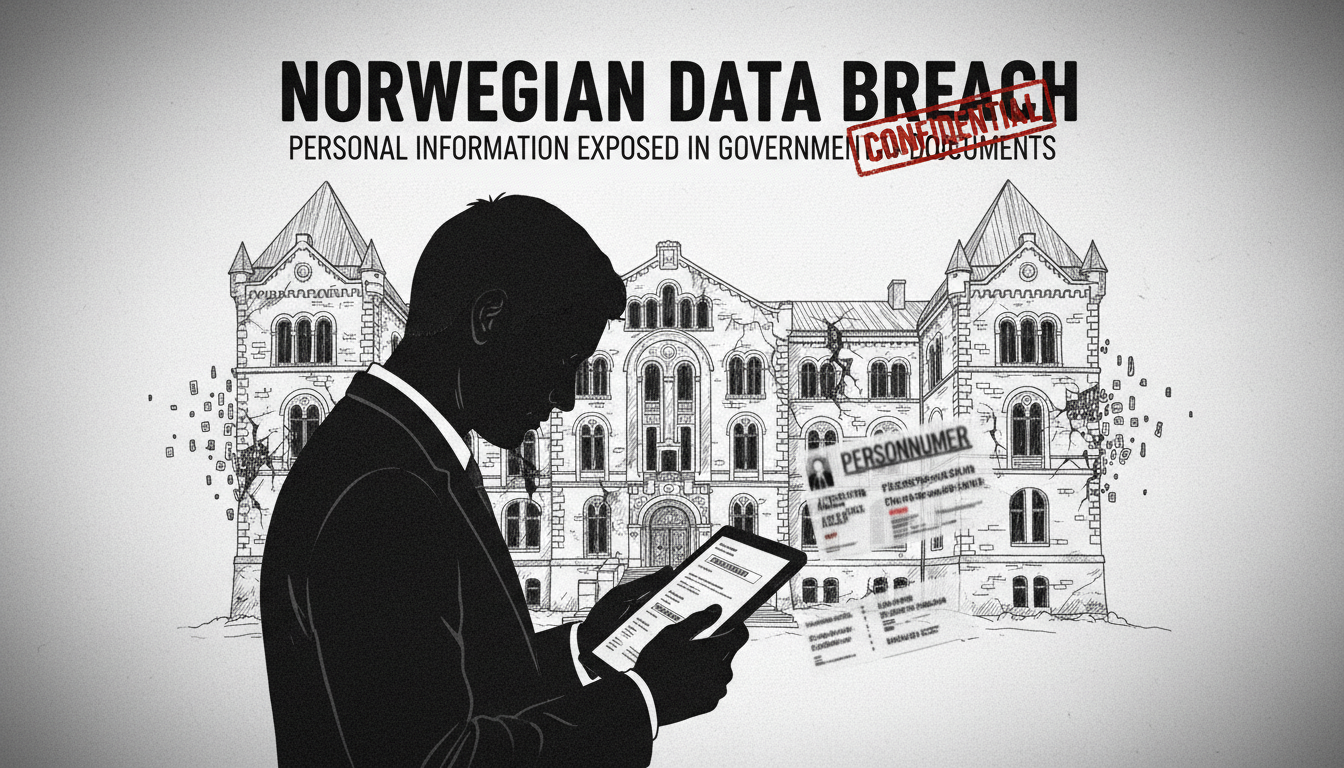
Six Norwegian government offices accidentally revealed personal information in public documents. The County Governor of Agder and five other state administrations made this serious error. They sent out redacted documents that still contained identifiable personal details. All distribution of these documents has now stopped. The incidents have been reported to Norway's Data Protection Authority. Additional investigations are underway across all affected offices. The Digitalisation and Public Governance Ministry says it takes the matter very seriously.
This breach highlights ongoing challenges in Norway's digital transformation. The country has invested heavily in becoming a fully digital society. Yet basic data protection protocols failed in multiple government offices. Norway's data protection laws are among Europe's strictest. The General Data Protection Regulation applies with full force here. Serious violations can lead to fines up to four percent of global turnover.
Government offices handle vast amounts of sensitive citizen information. They process tax records, health data, and personal identification numbers. Proper redaction requires careful manual review and technical verification. The fact that six different offices made similar mistakes suggests systemic issues. This comes as Norway positions itself as a leading Scandinavian tech hub. The incident may impact public trust in government digital services.
What happens next for affected citizens? They should watch for official communications about the breach. Norwegian law requires notification when personal data gets exposed. The Data Protection Authority will likely conduct its own investigation. They may issue recommendations or penalties depending on their findings. Government offices will need to review their document handling procedures thoroughly. This incident serves as a wake-up call for all public sector data management.
Norwegian tech startups often face similar data protection challenges. They must balance innovation with strict privacy requirements. Many Oslo innovation districts focus on developing secure digital solutions. This breach shows even established government bodies struggle with basic data security. The situation demands immediate attention and transparent resolution. Public confidence in digital services depends on reliable data protection.