
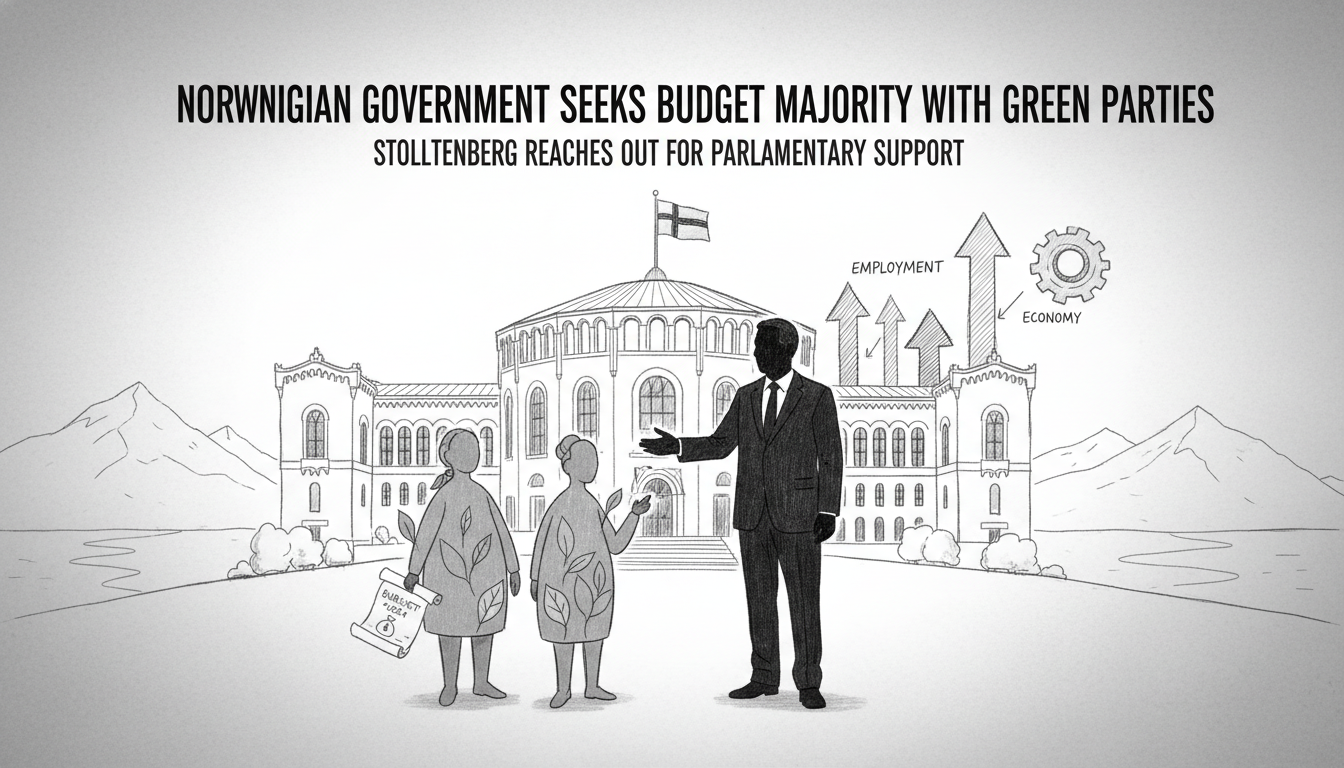
Finance Minister Jens Stoltenberg confirmed the Norwegian government continues pursuing parliamentary majority support for its budget. The Labour Party politician stated the current agreement with the Centre Party and Red Party contains several measures important to the Socialist Left and Green Party. Stoltenberg aims to secure their backing for the fiscal package.
The finance minister outlined the budget's core objectives in an official communication. He emphasized maintaining low unemployment while boosting employment figures. The proposal seeks to improve household purchasing power across Norwegian communities. These economic priorities align with broader Scandinavian welfare model traditions.
Norwegian budget negotiations typically involve complex parliamentary arithmetic. The Storting's 169 seats require governing coalitions to build shifting majorities for different policies. This current situation reflects Norway's tradition of pragmatic cross-party cooperation. The practice dates to postwar consensus politics.
Stoltenberg's statement reveals the government's strategic calculation. Including environmental and left-wing priorities might secure additional support. The Green Party particularly values climate measures and environmental protection. Their support often hinges on fossil fuel policy and Arctic development positions.
Oil industry stakeholders monitor these developments closely. Budget decisions impact petroleum taxation and licensing rounds. Norway's sovereign wealth fund, the world's largest, derives from offshore energy revenues. Any shifts in energy policy affect global markets and investment patterns.
The government's outreach to smaller parties carries regional implications. Northern Norway communities depend on both fishing and emerging energy projects. The Barents Sea represents Norway's next petroleum frontier. Budget allocations determine infrastructure development from Tromsø to Kirkenes.
International observers should note this Norwegian political dynamic. Consensus-building often produces stable but incremental policy changes. The approach contrasts with more adversarial parliamentary systems. Norway's model typically delivers high policy certainty for businesses and investors.
What practical effects might this budget have on Norway's economy? The emphasis on employment suggests continued labor market support. The focus on household finances indicates potential tax adjustments or social spending. Energy sector policies will balance environmental concerns with economic needs.
The government's next steps involve formal negotiations with potential support parties. These discussions will test whether shared priorities translate into voting agreements. The outcome determines Norway's fiscal direction for the coming period.