
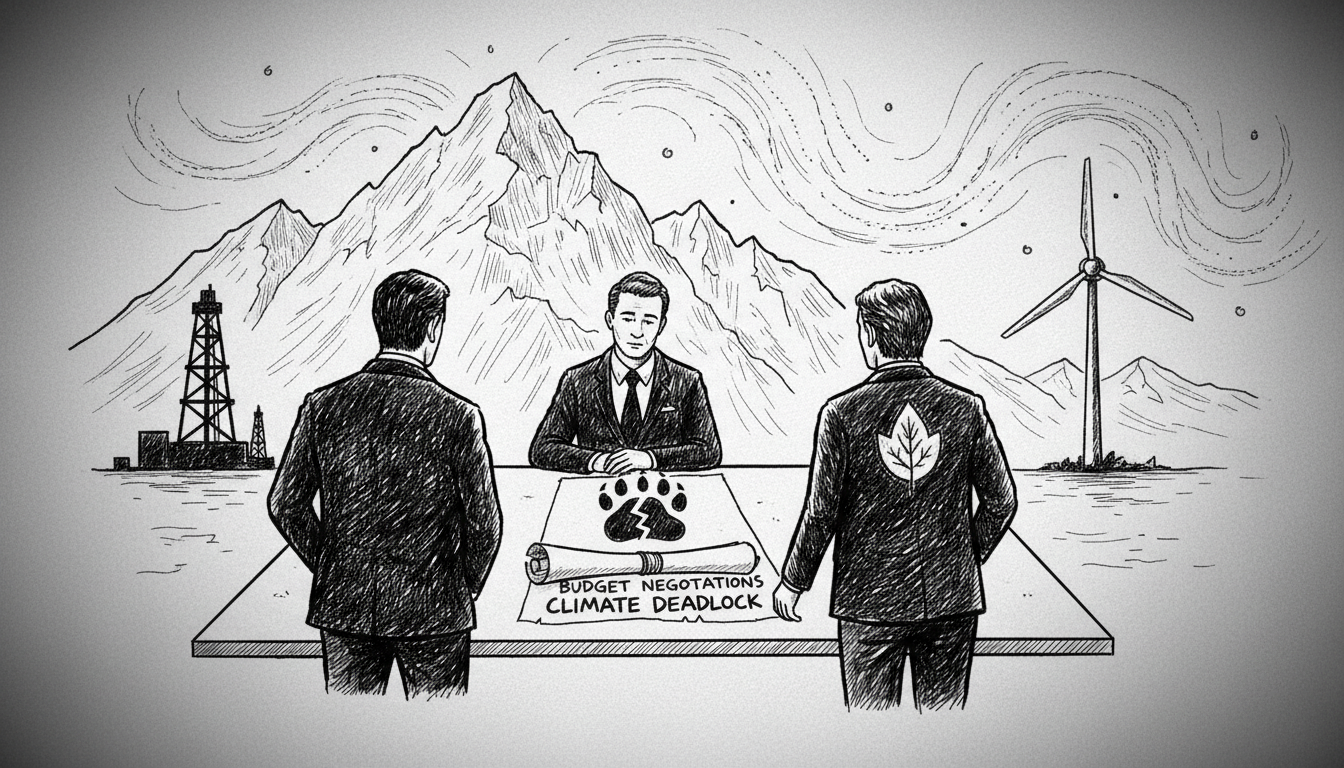
Norway's Green Party has abruptly exited government budget negotiations, creating immediate uncertainty for the country's fiscal planning. Party leader Arild Hermstad confirmed the withdrawal, stating the distance between positions proved too substantial to bridge. He cited fundamental disagreements on climate policy, environmental protection, and social solidarity as the primary reasons.
The breakdown follows a temporary pause in discussions that both the Green Party and Socialist Left Party had taken earlier. While the Socialist Left Party returned to negotiations, the Greens made their exit permanent. Hermstad described the government's climate proposals as insufficient and contained too many unacceptable compromises.
This development carries significant implications for Norway's political landscape and energy policies. The minority government now faces greater challenges securing parliamentary support for its budget. Key energy and climate initiatives may require substantial revision to gain necessary backing from other parties.
Budget negotiations typically determine Norway's substantial petroleum revenue allocations. The Government Pension Fund Global, valued at over $1.4 trillion, receives these oil and gas earnings. How these funds get distributed affects everything from Arctic research stations to coastal community development.
The breakdown specifically threatens climate initiatives in Norway's updated Arctic policy. Several northern regions depend on balanced environmental and economic approaches. The Barents Sea oil fields and Svalbard research facilities require stable funding commitments that now face uncertainty.
Norway's Parliament building in Oslo has witnessed similar political standoffs in previous years. Minority governments often navigate complex alliances to pass budgets. The current situation recalls 2019 negotiations that extended for weeks before reaching resolution.
International observers monitor these developments closely. Norway remains Europe's second-largest natural gas supplier and a key energy partner for many nations. Budget decisions directly impact investment in offshore projects like Johan Sverdrup and Snøhvit fields.
The government must now recalibrate its approach to secure majority support. Alternative alliances with centrist parties or additional concessions to the Socialist Left represent possible paths forward. The coming days will reveal whether this breakdown becomes temporary or signals longer-term political realignment.
Energy analysts note that prolonged uncertainty could affect quarterly investment decisions in Norway's petroleum sector. Third-quarter projections for several North Sea developments might require adjustment if budget clarity delays beyond typical timelines.
Norwegian political tradition suggests intensive behind-the-scenes discussions will continue despite the public withdrawal. The Storting's distinctive oval chamber often hosts unexpected compromises when national budgets hang in balance.