
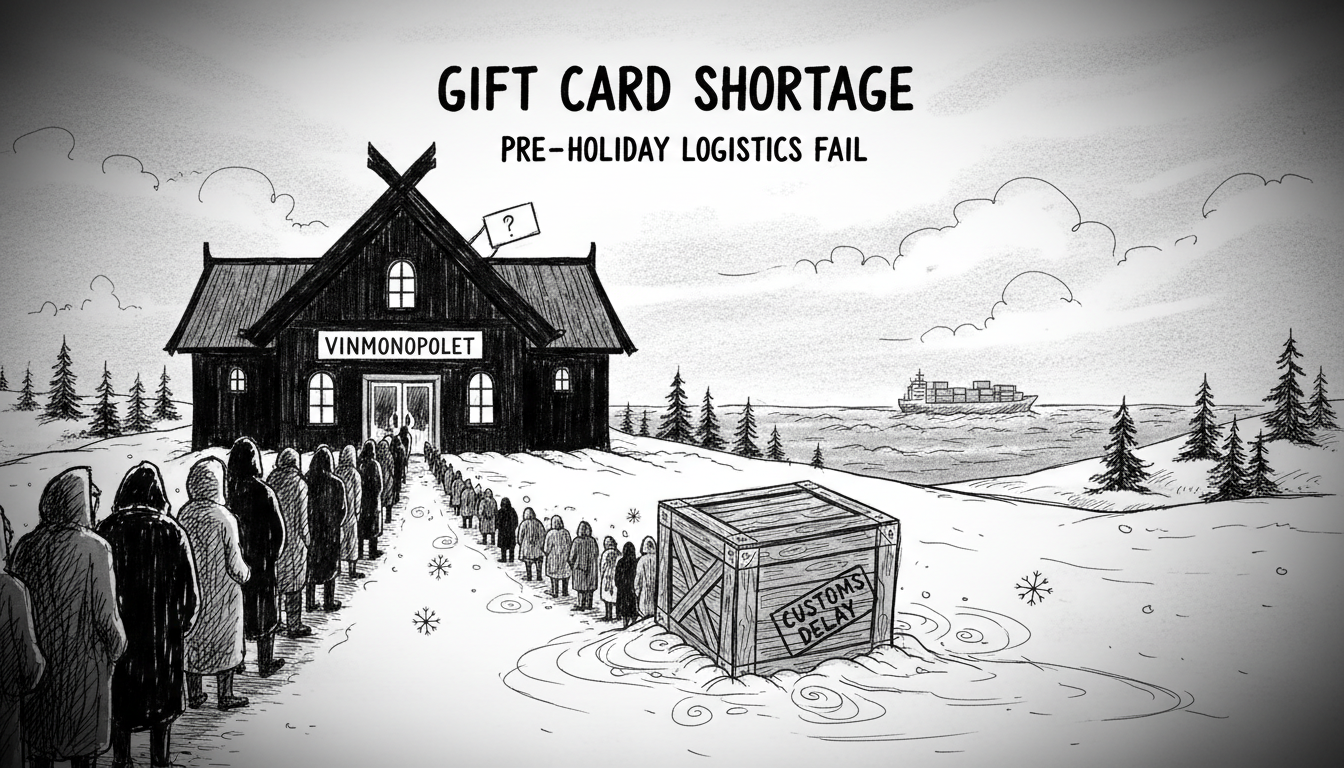
The Norwegian state alcohol monopoly, Vinmonopolet, faces a logistical crisis just weeks before the holiday season. A nationwide shortage of physical gift cards has emerged after a shipment was held up in customs. The delay has left many stores empty of the popular gift items. The situation highlights the unique challenges of Norway's regulated alcohol market.
An official from Vinmonopolet's public and government affairs department confirmed the issue. He said the organization had to complete a customs declaration for the gift cards, a process it had not handled independently before. This procedural hurdle caused significant delays. The official explained that it took time to understand the correct declaration process. This led to the shipment taking much longer than originally planned.
Demand for the gift cards is particularly high in the pre-Christmas period. Several stores have now sold out of their physical stock. The official was quick to reassure customers that a solution is imminent. New cards are already on their way to central warehouses. Stores lacking physical gift cards can place new orders. They should receive fresh stock within the week, according to the company's statement.
This incident is more than a simple supply chain hiccup. It underscores the operational complexities of a state-run monopoly in a modern economy. Vinmonopolet controls all retail sales of wine, spirits, and strong beer in Norway. This system, designed to limit alcohol consumption, creates a single point of failure for popular products. When its logistics stumble, there are no private competitors to fill the gap for consumers.
The timing could not be worse. The holiday season is a peak sales period for the monopoly. Gift cards are a common present, allowing recipients to choose their own beverages. The shortage may push last-minute shoppers toward other gift options. It also raises questions about the monopoly's procurement and logistics planning. Relying on a single, time-sensitive shipment before a major holiday carries obvious risks.
For international observers, this story offers a window into Norway's distinctive social contract. The alcohol monopoly is a cornerstone of the country's public health policy. Its operations are often smooth and efficient. Yet this episode reveals the inherent vulnerabilities of a centralized system. It also shows how even mundane administrative tasks, like customs paperwork, can disrupt service for an entire nation. The resolution appears straightforward, but the reputational sting may linger longer than the shortage itself.