
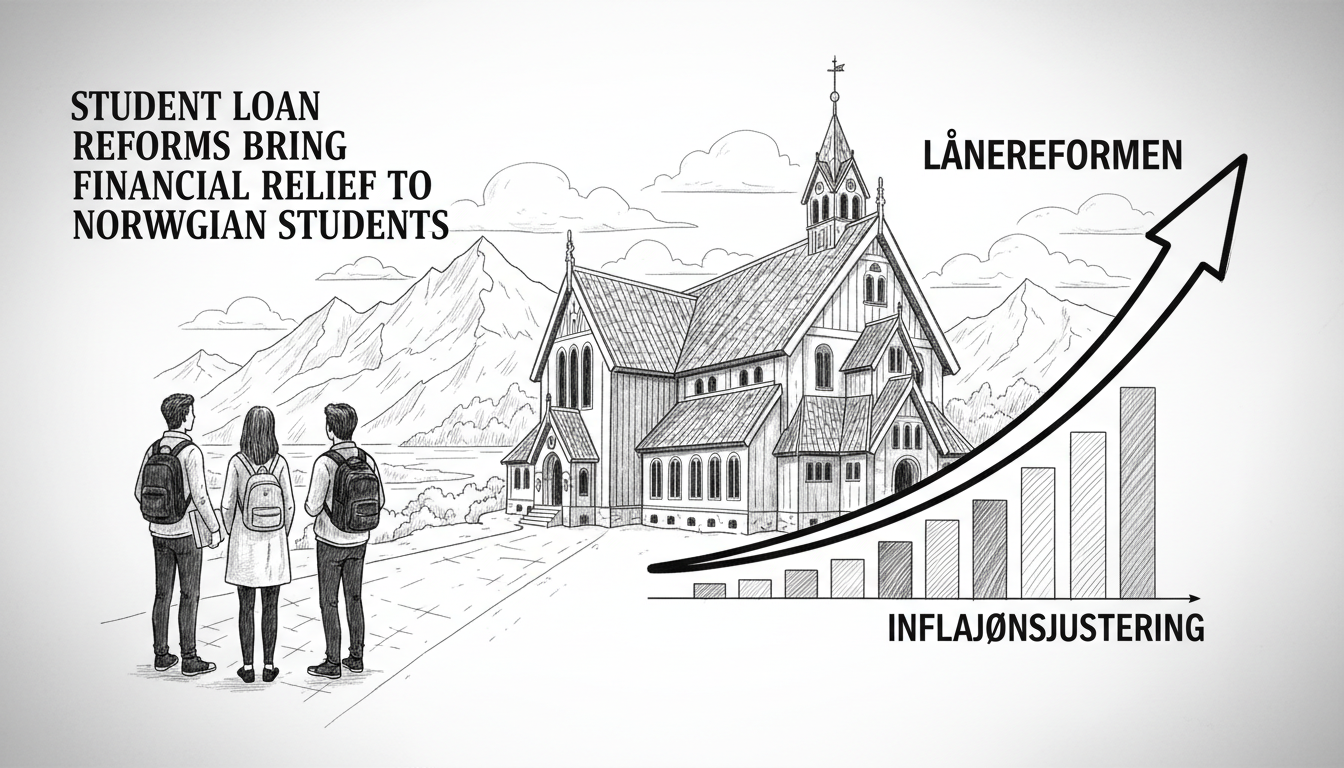
Norwegian students are celebrating a major political agreement. The deal will adjust student loan amounts each year to match living costs. This change aims to provide more predictable finances for people in higher education. Student leaders call it a historic step forward for economic security.
Sigve Næss Røtvold leads the Norwegian Student Organisation. He said this is a joyful day for the country's students. The reform moves toward a better and more predictable student economy. The change follows a budget compromise between the government and four supporting parties.
The union Akademikerne also praised the decision. Its leader, Lise Lyngsnes Randeberg, called it the most important breakthrough for students since the national loan fund started in 1947. She said students with tight budgets finally get the predictability they need. A recent economic report highlighted the problem. It found students lost twenty percent of their purchasing power between 2002 and 2023.
The budget agreement contains two specific points about student support. First, the government must adjust the basic grant through the national insurance system base amount by 2026. The support level cannot fall below today's value. Second, the government must propose a similar adjustment method for the living-away-from-home stipend.
The youth wing of the Centre Party, Senterungdommen, claimed victory. Its leader, Nils Forren, said the group fought for this change for ten years. He stated they finally have parliament's support. The annual adjustment will protect loans from inflation erosion.
This reform reflects broader Nordic trends in education policy. Norway invests heavily in its knowledge economy. Accessible higher education is a cornerstone of the Scandinavian social model. Predictable funding helps students focus on studies without excessive financial stress. It also supports Norway's digital transformation by training a skilled workforce.
The change has clear implications. Students can plan their budgets with more confidence year to year. It may also influence enrollment rates and study completion times. The policy shift acknowledges the real cost of living increases that have outpaced traditional loan structures. This is a direct response to years of student advocacy and economic analysis.
What happens next? The government must now draft the formal legislative proposal. The timeline targets implementation through the national insurance system. Observers will watch how the technical details preserve the promised purchasing power. This agreement sets a new standard for student economic policy in Norway.