
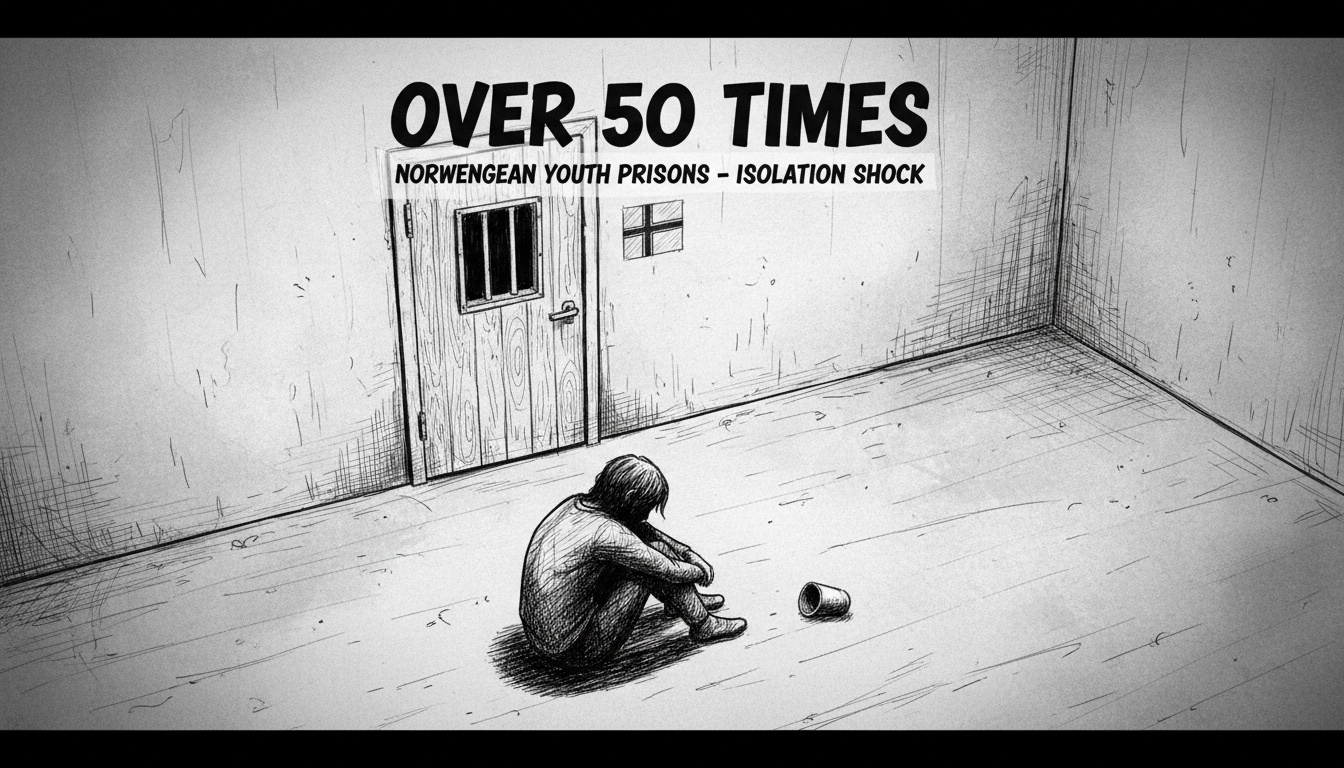
Norwegian authorities have placed minors in security cells more than 50 times since 2019. These concrete cells feature mattresses that cannot be torn apart and floor toilets without running water. Food is often served through a door slot or placed directly on the floor.
The Correctional Service uses these isolation cells as a last resort measure. Yet documents show repeated use on young inmates near Bergen and nationwide.
One teenager slept naked on a concrete floor during isolation. Another was denied drinking water. These incidents occurred despite strict regulations governing security cell use.
Line Wilberg, a department director at the Correctional Service, acknowledged concerning trends. "We're seeing a worrying increase in violence, acting out, and threats in youth facilities," she said in a statement.
Young people landed in security cells for various reasons. Some spat at staff or became violent. Others destroyed their regular cells or threatened to harm themselves or others.
Legal oversight authorities expressed alarm about the findings. "Children should not be in security cells, certainly not for five days," said Verna Rege Nilssen, who leads the Correctional Services Supervision Council. "It's not acceptable. It's shocking."
Nilssen noted these findings match what her council observed during prison visits. She emphasized that isolation cells don't help rehabilitation. "If we want these young people to return to civilian life and become better versions of themselves, security cells aren't what they need."
The Correctional Service says it aims to avoid isolation measures. Officials claim they only use security cells when absolutely necessary after trying all other options.
This situation reveals a troubling gap between official policies and actual practices in Norway's youth justice system. The repeated use of harsh isolation measures contradicts the country's progressive reputation in rehabilitation.