
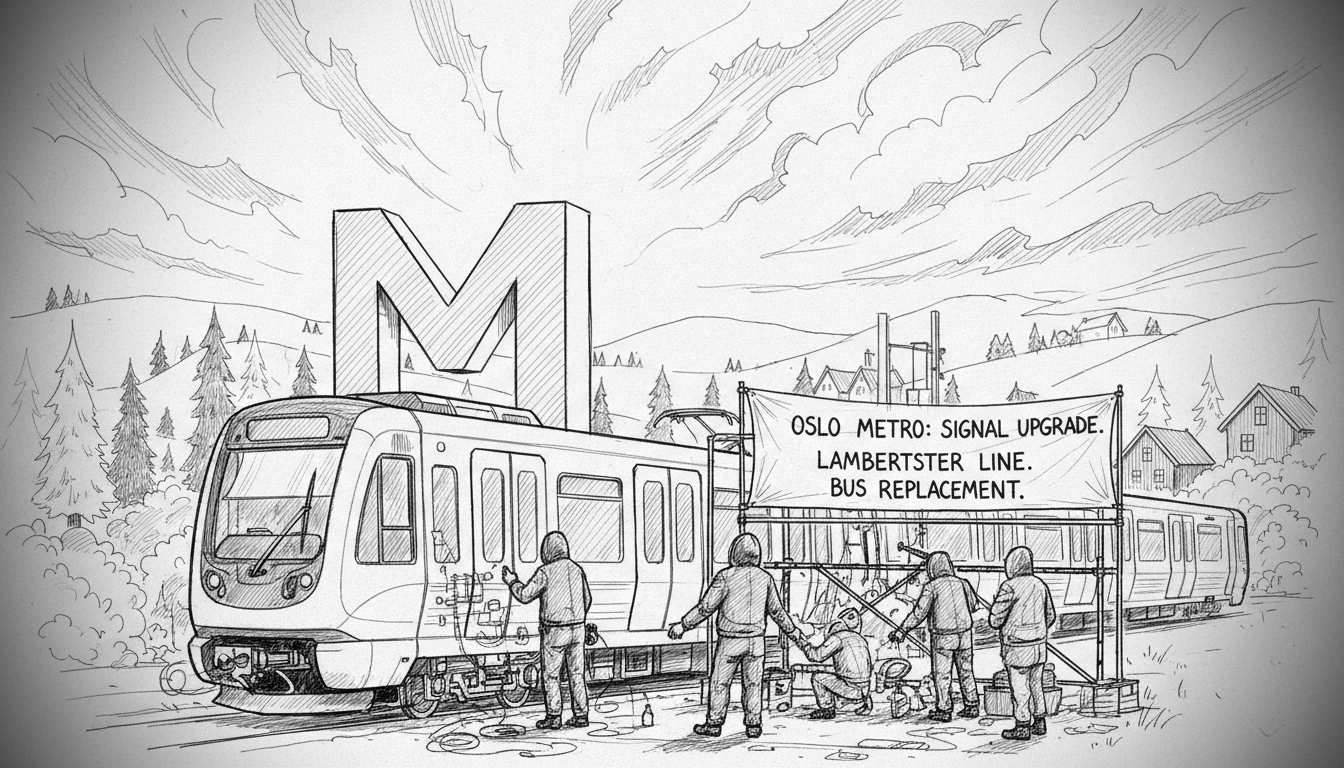
A major upgrade to Oslo's T-bane metro system is now underway. The first section with a new digital signaling system is operational. This change requires all 115 metro trains to be rebuilt. The upgrade will roll out in stages over the next several years.
The initial section runs between Brattlikollen and Lambertseter stations. Officials have completed test runs there. The official switch to the new system on that line happened this week. The next phase targets the central tunnel between Tøyen and Majorstuen. This is a core part of the city's transit network.
Each stage of the rollout will cause service disruptions. Passengers should expect bus replacements during testing periods. The full project aims for completion by the end of the decade. This is a standard practice for major infrastructure updates.
This project represents a substantial investment in Oslo's public transport. The new system will allow for more frequent and reliable train service. It is a key part of the city's digital transformation strategy. Modern signaling increases network capacity and improves safety.
The need to modify every train highlights the scale of the upgrade. Each train must be fitted with new onboard control equipment. This work will happen gradually as the new signals are activated. The logistics are complex for a fleet of this size.
For international observers, this project fits a broader Nordic trend. Cities like Stockholm and Helsinki have undertaken similar modernizations. These upgrades are essential for supporting growing urban populations. They also align with regional goals for sustainable, efficient transport.
The political push for this upgrade has lasted for years. Discussions about a new signal system have been ongoing in local government. The current rollout marks a tangible step after lengthy planning. It shows how long-term infrastructure projects evolve from talk to action.
Residents and commuters will feel the impact directly. The promise is better service, but the process involves temporary inconvenience. This trade-off is common in urban development. The final result should be a more resilient metro system for Norway's capital.