
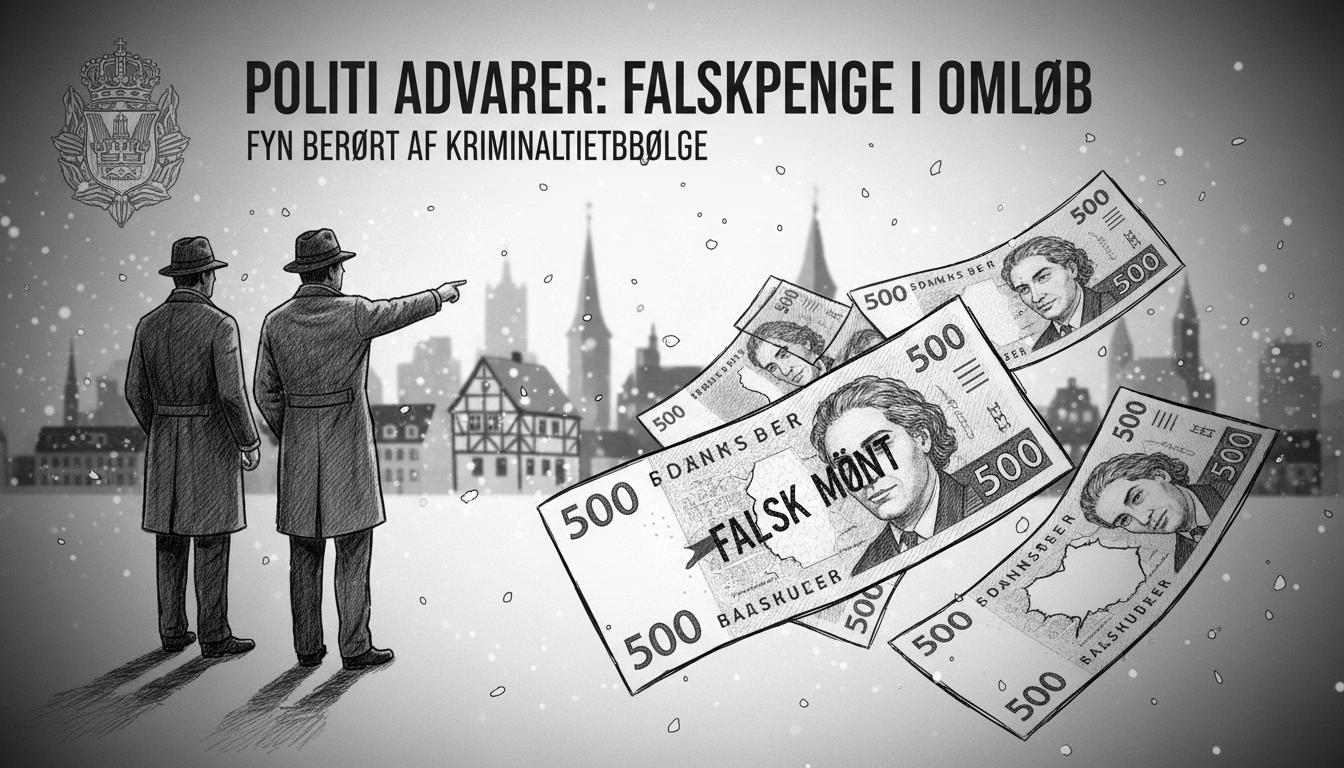
Danish police are urging citizens and businesses to be vigilant after a series of counterfeit 500-krone banknotes were reported across the island of Funen. Authorities have received around 20 reports, primarily from shops and retailers who were paid with the fake notes. The police district for the island has issued a public warning, stating the forgeries are currently in circulation. This incident highlights a tangible, if localized, economic crime that impacts daily commerce and public trust.
For international observers, this news offers a window into the practical functioning of Danish society and its welfare system. While Denmark is often discussed in terms of broad immigration policy or Copenhagen integration challenges, everyday issues like currency fraud reveal the infrastructure of trust that underpins the social contract. The Danish welfare system relies heavily on high levels of compliance and institutional trust. Crimes that chip away at that trust, even in a limited geographic area like Funen, are treated with serious attention by municipal authorities and social centers that form the frontline of community cohesion.
The counterfeit notes, while resembling genuine currency, lack critical security features. Real 500-krone notes contain watermarks, tactile copper prints, a 'windowed security thread' that appears dynamic when tilted and becomes a solid line when held to light, an advanced hologram, and microtext visible only with magnification. The National Bank provides detailed guides on these elements. The police have released images of the confirmed forgeries to aid public identification.
This situation connects to broader discussions on integration and social policy. Successful integration into Danish society includes understanding and participating in its economic systems with integrity. Local police efforts to quickly inform the public, including business owners who may be from diverse backgrounds, reflect a proactive approach to community safety. It is a practical example of how Danish municipalities work to protect all residents, ensuring that social policy is not just about benefits but also about maintaining a secure and functional everyday environment.
What does this mean for residents and visitors? Anyone handling cash, especially 500-krone notes, should take a moment to check. Look for the raised print, the security thread, and the hologram. Retail staff, often the first line of defense against such fraud, should be briefed on these features. The direct economic loss from a few fake notes may be small, but the erosion of trust in simple transactions carries a larger cost. The police response, focused on public information and investigation, aims to contain that cost swiftly. It is a reminder that the high-functioning Scandinavian model requires constant, vigilant maintenance at all levels, from national policy down to the local shop counter.