
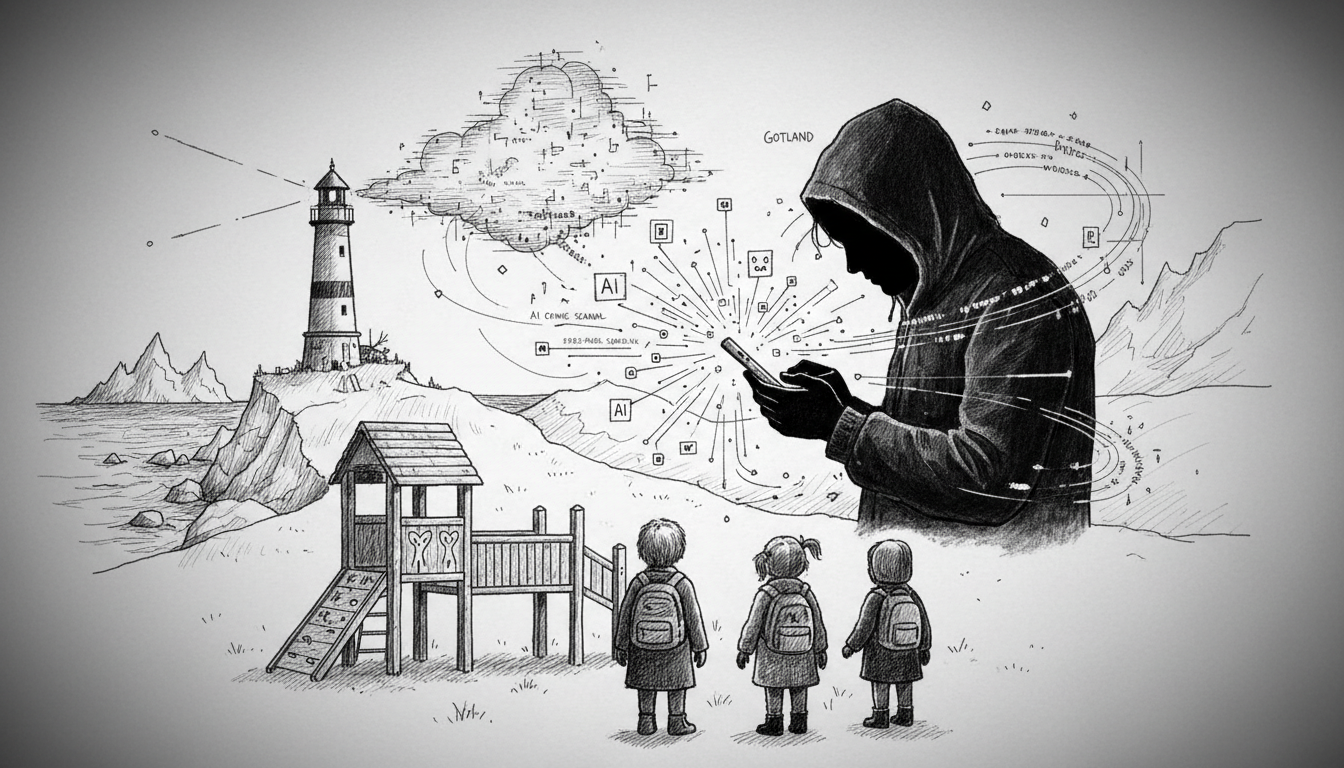
A quiet island community in Sweden is grappling with a deeply disturbing case. A 35-year-old man who worked at a municipal preschool on Gotland now faces serious charges. The case involves the covert filming of children and the creation of illegal material using artificial intelligence. Authorities arrested the man in the third quarter after discovering the alleged activities. The situation prompted the local region to activate a crisis management team. The man has reportedly confessed to the events during police interviews. The case has sent shockwaves through the tight-knit communities of Gotland, an island known for its serene landscapes and historic sites. It challenges the fundamental trust parents place in Sweden's highly regarded early childhood education system.
The formal charges are extensive and severe. Prosecutors list 68 separate criminal classifications linked to the man's actions. He stands accused of a serious child pornography offense. Investigators say he had access to a total of 3,709 illicit images and videos. Several of these items are described as particularly callous in nature. Beyond possession, the man is alleged to have secretly filmed children at the preschool where he was employed. He then used AI software to manipulate these recordings into abusive content. The indictment also states he distributed parts of this material to others. There are 18 identified victims in the case, according to the prosecution.
This incident forces a difficult conversation about safety, technology, and trust in Swedish society. Sweden prides itself on a robust welfare state and strong child protection laws. Preschools, or 'förskolor', are a cornerstone of family life. They enable high workforce participation and are viewed as safe, developmental spaces. A breach of this trust within a public institution strikes at the heart of the social contract. The use of AI adds a terrifying new dimension to an old crime. It demonstrates how predators can weaponize accessible technology to create harmful content from otherwise innocent footage. This poses unprecedented challenges for law enforcement and child safety experts worldwide.
For international readers, understanding the Swedish context is key. Gotland is Sweden's largest island, a popular summer destination with a permanent population of about 60,000. Its main city, Visby, is a UNESCO World Heritage site. News like this feels particularly jarring in such a setting. The case also highlights Sweden's ongoing struggle to balance its open, digital society with the need for security. The country is a global leader in tech adoption, but this also means new tools can be misused in novel ways. The legal process will now move forward, with the man facing a potentially lengthy prison sentence if convicted. For the families on Gotland and across Sweden, the psychological aftermath will last much longer. It serves as a grim reminder that vigilance is necessary even in the most trusted environments.