
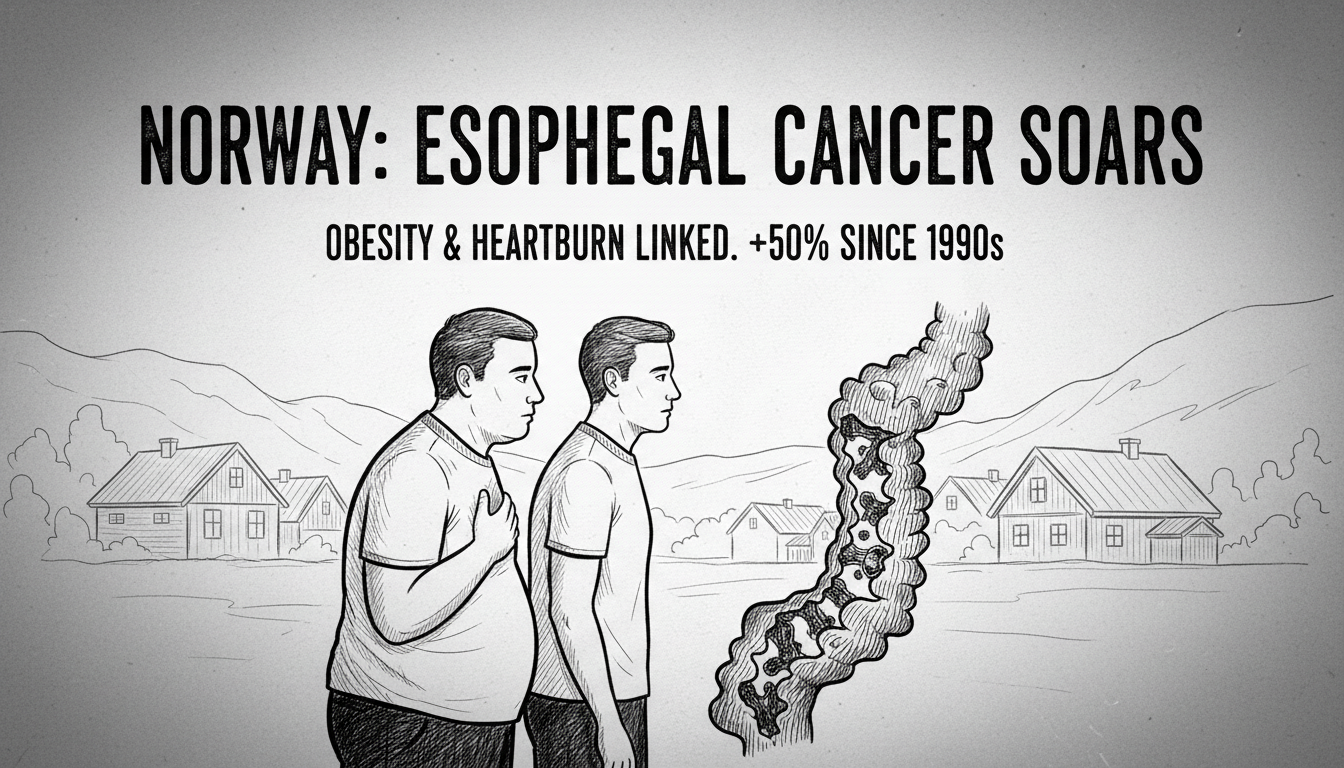
A new study from the Cancer Registry of Norway reveals a concerning increase in esophageal cancer cases, particularly among men. The research provides a detailed look at the development of cancer in the esophagus and stomach over the last three decades. The findings point to lifestyle factors as a primary driver for the changing disease landscape.
The incidence of esophageal cancer has risen by over 50 percent in the studied period. Cases increased from 146 annually in the early 1990s to an average of around 360 cases in the most recent five-year period. Men are affected far more frequently than women, with about 270 male and 90 female cases diagnosed each year. This makes esophageal cancer one of the forms with the greatest disparity between genders.
Researchers identify two main types of esophageal cancer. The first is adenocarcinoma, which originates from glandular tissue. The second is squamous cell carcinoma, which starts in the lining of the esophagus. The most marked increase has been for adenocarcinoma, which now accounts for over 70 percent of all esophageal cancer cases. This type is strongly linked to obesity and reflux disease, commonly known as heartburn. In contrast, cases of squamous cell carcinoma have fallen by about 40 percent over the same period. The study also notes a substantial decline in stomach cancer incidence.
Trude Eid Robsahm, a researcher at the Cancer Registry and the study's senior author, confirmed the trends. She said the data shows a clear and worrying shift in disease patterns tied to public health. The connection to obesity and reflux suggests preventable factors are at play. This has direct implications for Norway's national health strategy and preventative care funding.
The rise aligns with broader Western trends where adenocarcinoma is becoming more common. For Norway, a nation with a strong focus on public health and outdoor living, the data presents a paradox. It underscores a silent, growing health challenge despite overall high living standards. The findings will likely influence discussions on dietary guidelines, public health campaigns, and the allocation of medical research resources. The next steps involve translating this data into actionable prevention strategies to curb the upward trend.