
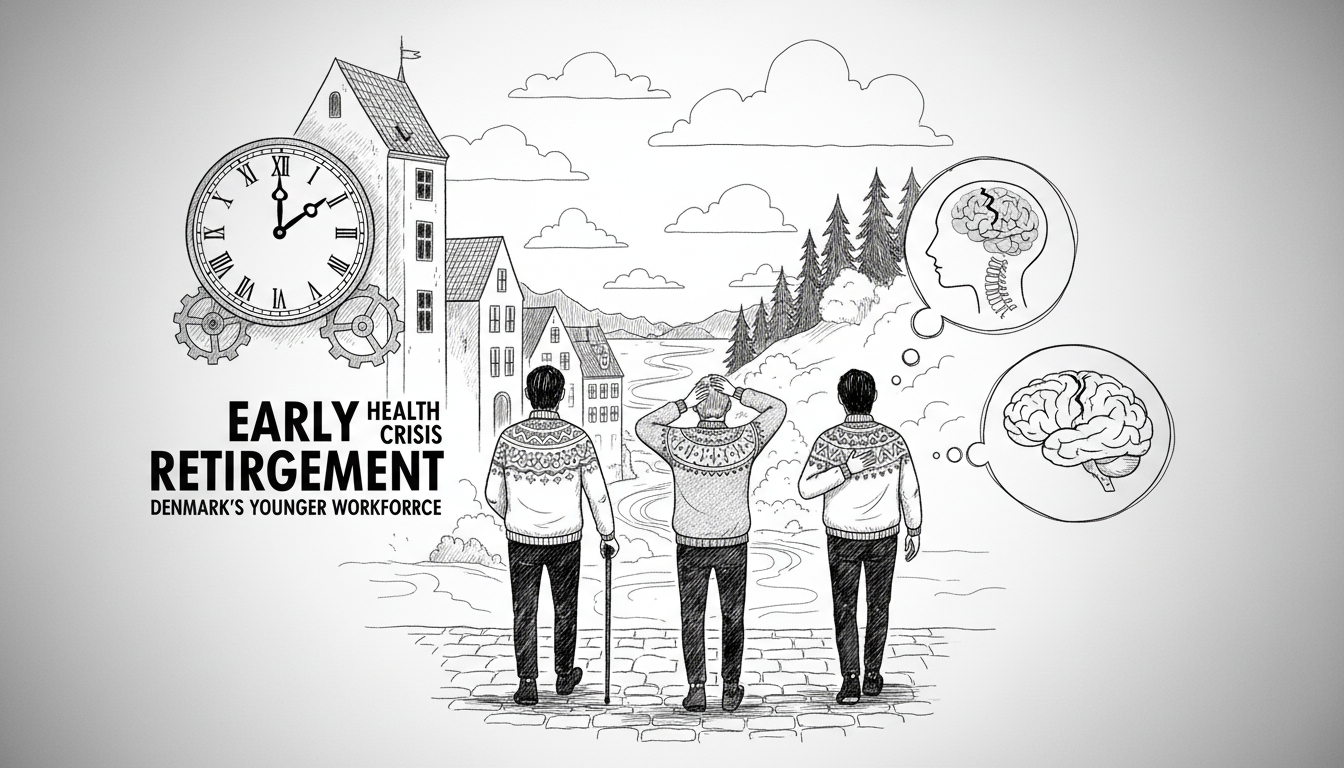
More Danes under age 45 are experiencing health problems that lead them toward early retirement pensions. The number of citizens receiving sickness benefits has climbed steadily since 2008. This trend often represents the first step toward permanent disability support. Business organization Dansk Erhverv describes the situation as concerning for Denmark's future workforce.
These younger citizens typically begin with sickness benefits when health issues prevent regular employment. Many then transition to flexjobs, which provide subsidized employment for people with reduced working capacity. The final step becomes early retirement pension when no other options remain. This progression creates significant costs for Denmark's welfare system while removing productive workers from the economy.
Copenhagen integration specialists note this trend affects both Danish-born citizens and immigrants. Municipal social centers across Denmark report increasing numbers of younger clients with complex health challenges. Mental health conditions now represent a growing portion of these cases, particularly among people in their thirties and forties. The Danish welfare system faces pressure from this demographic shift in disability patterns.
Denmark social policy traditionally focused on rehabilitation and workplace accommodation. Recent years show these measures sometimes arrive too late for effective intervention. Early retirement pension recipients under 45 have increased by approximately 40 percent over the past decade. This represents thousands of Danes exiting the workforce during their prime earning years.
Community leaders in Copenhagen's integration programs observe particular challenges for immigrants with health issues. Language barriers and cultural differences can complicate access to appropriate support services. Municipal caseworkers struggle to provide adequate guidance across diverse communities. The complexity of Denmark's welfare bureaucracy sometimes overwhelms those already dealing with health challenges.
Danish society news frequently highlights the tension between welfare support and economic sustainability. Business representatives argue that early intervention could reverse this troubling trend. They advocate for better workplace health initiatives and faster access to specialized treatment. Denmark immigration policy also faces questions about supporting newcomers who develop health conditions after arrival.
The Danish welfare system remains one of Europe's most comprehensive safety nets. Yet these rising numbers suggest structural challenges in preventing workforce exclusion. Municipal social services report stretched resources as they manage growing caseloads. The situation demands creative solutions that balance compassion with economic reality.
What does this mean for Denmark's future? The country risks losing a generation of workers during their most productive years. This trend affects tax revenues, workforce diversity, and social cohesion. The solution likely requires collaboration between healthcare providers, employers, and municipal authorities. Denmark must find ways to keep younger citizens healthy and employed.
Danish municipalities continue developing new approaches to this challenge. Some focus on early detection of workplace health issues. Others emphasize mental health support before conditions become disabling. The success of these efforts will shape Denmark's social and economic landscape for decades. The current trajectory suggests much work remains to address this growing concern.