
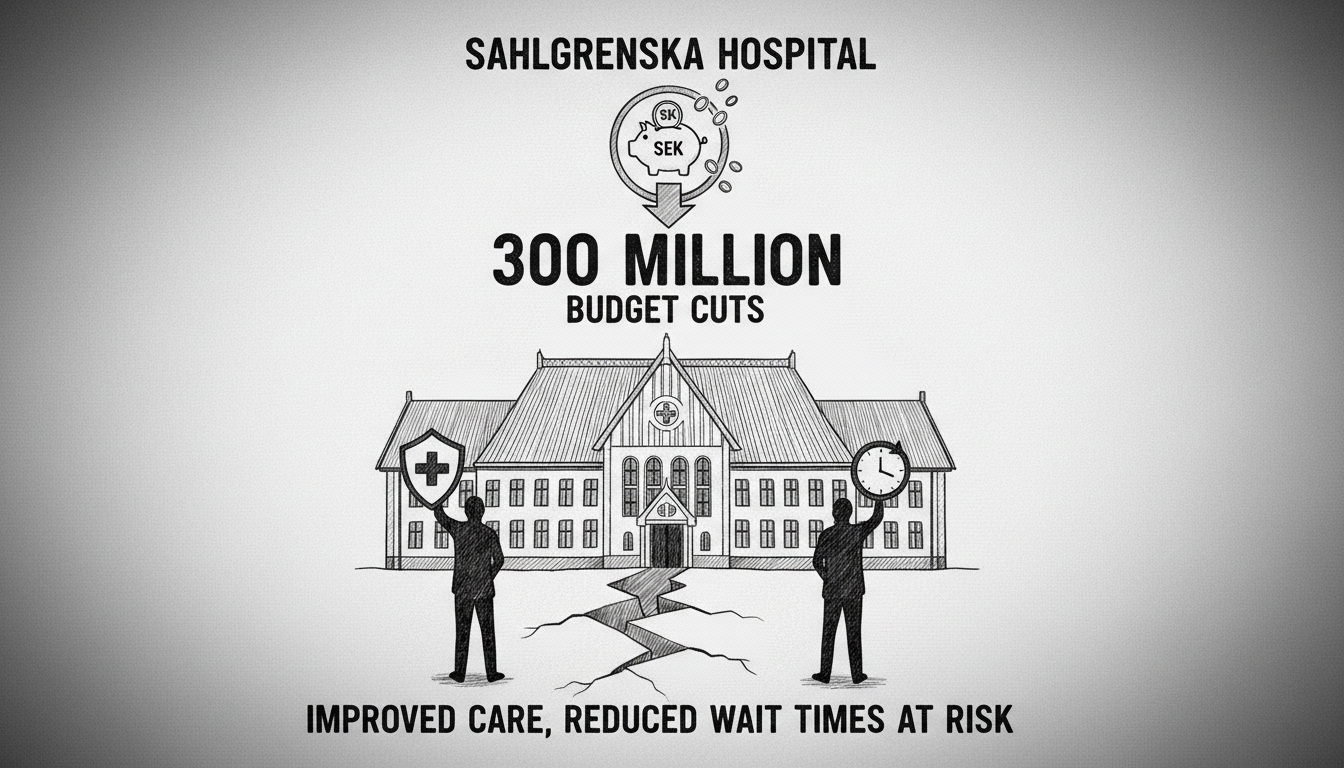
Sahlgrenska University Hospital in Gothenburg confronts a difficult financial reality. The renowned medical center must save 300 million kronor next year. This comes despite clear improvements in patient care and staffing levels.
Hospital chair Cecilia Dalman Eek confirmed the challenging situation. She stated that the institution must tighten its financial belt. The message to staff is clear. Everyone needs to pull together during this period.
This budget squeeze reveals a troubling pattern in Swedish healthcare. Hospitals achieve better patient outcomes and reduce waiting times. Then they face financial penalties for their success. The system creates perverse incentives that punish efficiency.
Sweden's universal healthcare model faces mounting pressure from multiple directions. An aging population requires more complex medical treatments. Immigration patterns bring diverse healthcare needs. Meanwhile, regional funding struggles to keep pace with these demands.
Gothenburg residents express concern about what these cuts might mean. Local teacher Anna Lundgren worries about specialized care access. Her daughter receives treatment for a rare condition at Sahlgrenska. She fears longer waits and reduced service quality.
Healthcare workers face the difficult task ahead. Nurses and doctors must maintain quality care with fewer resources. This creates workplace stress and potential burnout risks. The human cost extends beyond balance sheets.
International readers might compare this to similar challenges elsewhere. Many countries struggle with healthcare funding models. Sweden's approach typically emphasizes equity and accessibility. These budget cuts test those fundamental principles.
The situation at Sahlgrenska reflects broader Swedish society trends. Public institutions nationwide face similar financial pressures. Citizens expect high-quality services while governments manage limited budgets. Finding balance remains an ongoing challenge.
What happens next will interest anyone following Swedish healthcare developments. Hospital administrators must make difficult choices about service priorities. Staff morale and patient care quality hang in the balance. The coming months will reveal how this prestigious institution adapts.
Swedish lifestyle often includes pride in the country's healthcare system. Events like these budget cuts test that national confidence. How Sweden manages these challenges could influence healthcare debates globally.