
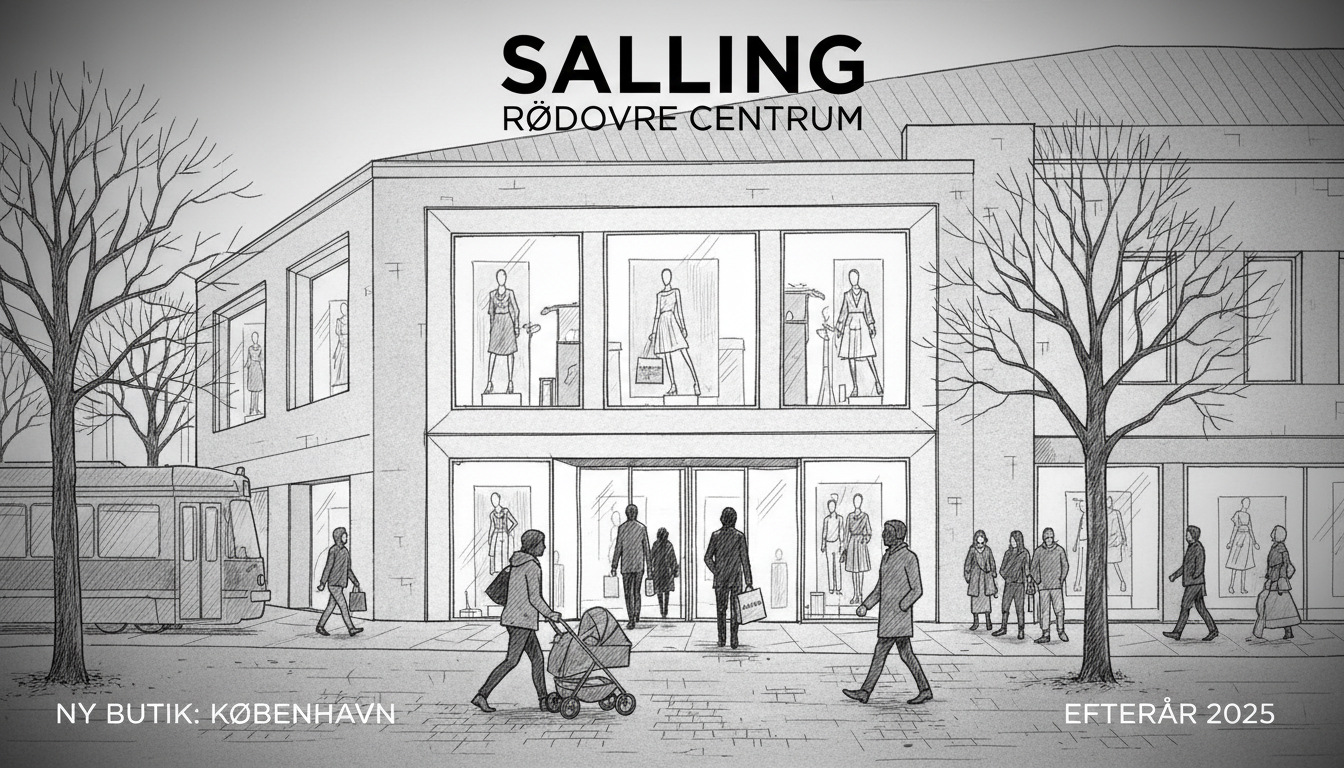
A major retail shift is underway in one of Denmark's largest shopping centers. The Salling department store chain will open a new 5,000 square meter location in Rødovre Centrum. This move follows the planned departure of the current anchor tenant, Magasin. Renovations for the new Salling store are set to begin in February, with the opening scheduled for the following autumn.
Marianne Bedsted, the director of Salling, expressed enthusiasm for the expansion. She said the opening represents a crucial step into the greater Copenhagen area. The company already serves many customers online there. Now it aims to offer them the distinctive Salling experience built on presence, quality, and service. This physical expansion into the capital region marks a significant strategic pivot for the retailer.
Salling currently operates flagship stores in Aarhus and Aalborg. It recently announced plans to open a branch on Kultorvet in central Copenhagen next summer. That location is just a short walk from Nørreport Station. The company is part of the Salling Group, which also owns the Bilka, Netto, Føtex, and BR retail chains. This expansion reflects broader trends in Danish retail and urban development.
The move into Rødovre Centrum is more than a simple store relocation. It signals a strategic investment in a key suburban municipality. Rødovre is part of the intricate fabric of Copenhagen's metropolitan area. Such commercial developments often influence local employment and community dynamics. They can serve as social hubs beyond their economic function. For international observers, this highlights the ongoing evolution of Danish consumer spaces and their integration into daily life.
From a social policy perspective, large retail developments in suburban centers like Rødovre have complex implications. They create jobs, which can be vital for local integration efforts. Statistics often show varied employment rates among different community groups in such areas. The quality and accessibility of these jobs matter for social cohesion. A major employer moving in can impact the local economy and the municipal social landscape. It is a tangible example of how commercial decisions intersect with community welfare.
The Danish welfare system relies on a robust labor market and municipal stability. Developments like this affect local tax bases and service funding. They also shape the physical environment where integration and community building happen. While the news is fundamentally commercial, its ripple effects touch on core aspects of Danish society. The success of such ventures can influence public perception of suburban vitality and opportunity. It is a story about retail, but also about place, people, and policy in contemporary Denmark.