
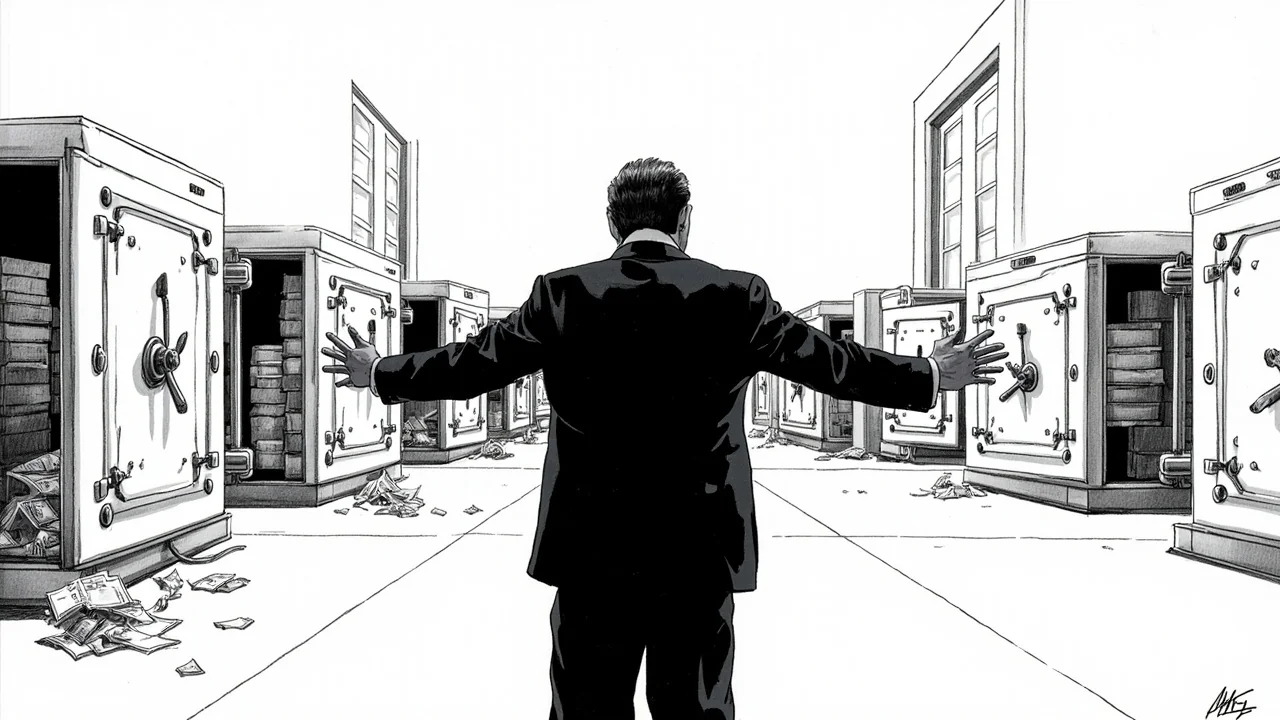
Sweden's banking sector faces a trust crisis after a Malmö advisor allegedly stole 465,035 kronor from 15 deceased estates. The case reveals cracks in a system built on mutual confidence. For many Swedes, banks are pillars of stability in a society known for its transparency.
This story isn't just about numbers. It's about a man in his fifties who saw a desperate way out of financial struggle. He worked as a customer advisor at Swedbank in Malmö. His job was to guide people, not exploit them.
A Quiet Crime in a Trusting System
Swedish culture places immense trust in institutions. From the fika break at work to the seamless digital ID system, reliability is expected. The bankman breached this trust in a profound way. He began transferring money from dormant deceased estates over a year into his employment.
He found his targets in a simple, overlooked place: returned mail. When letters to account holders came back undelivered, he reviewed them. He looked for bank engagements untouched for years. In his mind, no one would miss the money. The estates were inactive, the beneficiaries perhaps unaware.
This method highlights a vulnerability. In Sweden's efficient society, inactive accounts can slip through the cracks. The bank's internal investigation later confirmed the thefts. They involved fifteen different estates, with sums varying in size.
The Human Cost Behind the Numbers
The man didn't steal for luxury. He used the money for daily survival. Court documents show he paid for food, clothing, and train tickets. He covered bills for electricity, waste collection, and insurance. He even leased a car.
He confessed to his employer, stating he took the funds to manage everyday life. This admission adds a layer of tragedy to the crime. Malmö, a city of contrasts with vibrant immigrant communities, has areas facing economic pressure. While not excusing his actions, it paints a picture of personal crisis.
Swedbank fired him shortly after discovering the crimes. He now faces legal charges and has admitted guilt. The total amount, 465,035 kronor, is significant. For perspective, that's roughly the average annual salary for some service jobs in Sweden.
Who were the victims? They are the families and heirs of the deceased. While the source material doesn't name them, the emotional impact is clear. In Swedish tradition, settling an estate (dödsbo) is a sensitive time. It involves honoring a loved one's memory and managing their legacy.
This theft disrupts that process. It betrays the silent trust placed in banks to safeguard assets during a vulnerable period.
How Could This Happen?
Swedish banks are known for strong internal controls. The fact that this went on for some time raises questions. As a customer advisor, the man had access to systems and information. He exploited knowledge of inactive accounts.
This case echoes broader discussions in Sweden about financial crime. From money laundering scandals to fraud, institutions are under scrutiny. In Stockholm's banking hubs like Norrmalm, compliance departments work tirelessly. Yet, human elements can override the best systems.
Malmö's Swedbank branch must now review its protocols. How are deceased estates monitored? What checks exist for employees handling sensitive accounts? The bank has not commented publicly beyond the investigation.
Experts in financial ethics point to pressure points. "When personal desperation meets opportunity, systems can fail," says a Stockholm-based analyst who requested anonymity. "Sweden's high cost of living, especially in cities, pushes people. Banks must balance empathy with rigorous oversight."
The Cultural Reckoning: Trust vs. Transparency
Sweden operates on a social contract of trust. The concept of tillit is fundamental. From leaving babies in prams outside cafes to digital tax filings, society functions on mutual confidence. This case tests that ideal.
It's a stark contrast to the communal joy of events like Malmö's annual festival or Stockholm's Kulturfestival. Those celebrations showcase Swedish openness. Financial crime feels like a betrayal in this context.
Yet, Sweden is also pragmatic. The legal system will address the crime. The bank has acted by dismissing the employee. The story serves as a cautionary tale. It reminds us that trust requires constant vigilance.
For immigrants navigating Swedish society, banking trust is often a new experience. In many countries, such institutions are viewed with suspicion. This case might resonate differently in multicultural Malmö, where experiences with authority vary.
Looking Ahead: Lessons from Malmö
The bankman's story is a single thread in a larger fabric. It highlights systemic and personal failures. As Swedish society evolves, so do its challenges. The digital age makes fraud easier to commit and harder to detect.
Banks may need to implement more frequent audits of inactive accounts. Employee wellness programs could identify staff under financial stress. These are practical steps born from a painful incident.
From a cultural standpoint, Swedes might reevaluate their relationship with banks. The BankID system and cashless society offer convenience. But they also centralize risk. This case is a small crack in a vast edifice.
Will it change how Swedes view their financial institutions? Probably not dramatically. But it adds to a growing narrative. That narrative questions absolute trust in the digital era.
As the legal process continues, the human element remains. A man took money from the dead to pay for his life. He got caught. The system exposed its flaw. In a country that values lagom—balance and moderation—this story feels profoundly imbalanced. It leaves us wondering: how do we protect both people and the trust that binds society?