
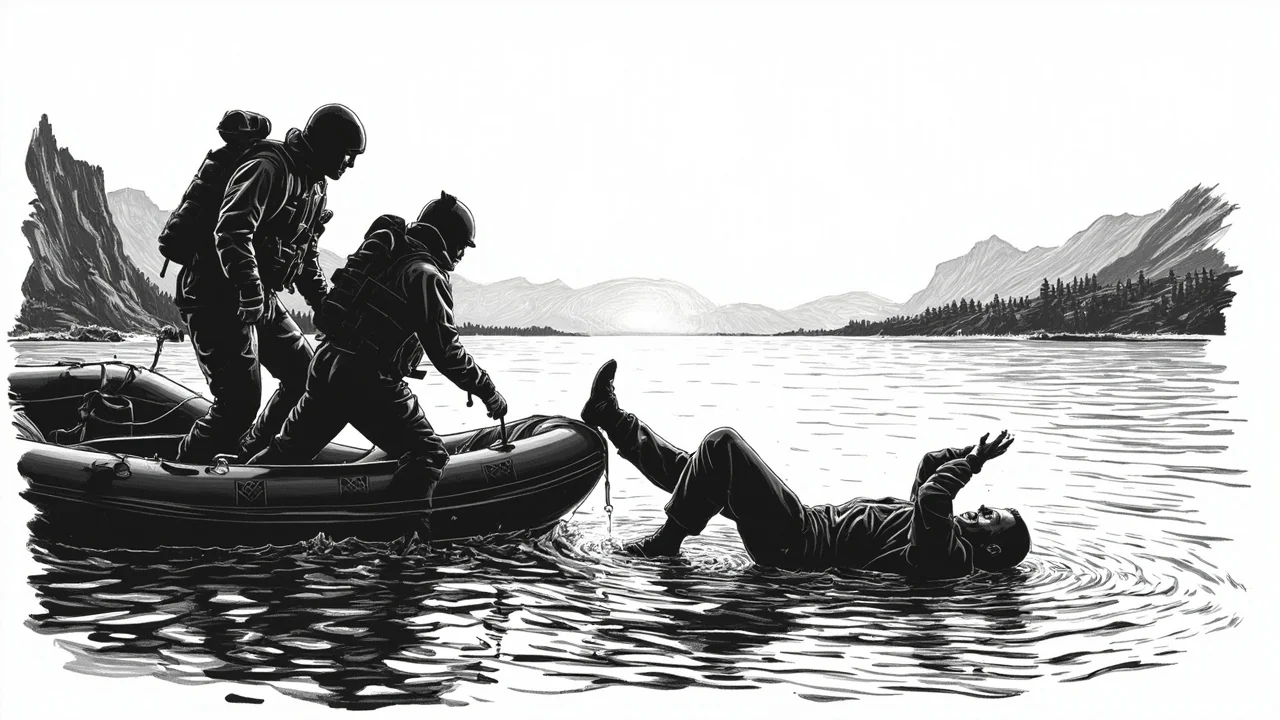
Sweden's rescue services responded to two separate drowning alarms in Norrtälje and Sigtuna on Sunday afternoon, highlighting the persistent risks during the winter season. In Norrtälje, a person was found in the canal at Societetsparken, while in Sigtuna, a snowmobile broke through the ice on Sigtunafjärden. Both incidents triggered rapid emergency responses, with one individual rescued from hypothermic conditions. This news comes as communities across Sweden engage in traditional winter activities, from ice fishing to snowmobiling, underscoring the need for vigilance near frozen waterways. As a society and culture reporter, I've seen how Swedish lifestyle often intertwines with nature, but these events serve as a stark reminder of the dangers that can accompany seasonal pursuits.
The Norrtälje Canal Rescue
Just after 3 PM on Sunday, rescue services were alerted to Societetsparken in Norrtälje, a picturesque park area known for its canals and green spaces. A person had been found in the water, and surface rescue teams were quickly on the scene. Within about ten minutes of the drowning alarm, they managed to pull the individual from the canal. Adam Alm, a command operator with the Stockholm Fire Department, described the situation. 'The person was severely hypothermic but conscious and able to speak,' he said in a statement. The victim was rushed to receive medical attention, though specific details on their condition were not immediately released. Norrtälje, with its historic center and coastal charm, is a hub for outdoor enthusiasts, especially in winter when locals often walk along the frozen shores or enjoy the serene landscape.
The Sigtuna Ice Incident
At 3:26 PM, another drowning alarm came in from Sigtuna, one of Sweden's oldest towns, rich in Viking history and cultural heritage. This time, a snowmobile had reportedly gone through the ice on Sigtunafjärden, a bay connected to Lake Mälaren. Rescue teams were dispatched promptly, though initial reports did not specify if anyone was in the water or the extent of injuries. Sigtunafjärden is a popular spot for winter sports, including ice skating and snowmobiling, especially during clear days when families flock to the area. The incident disrupted the tranquil Sunday atmosphere, drawing attention to the thin ice conditions that can develop rapidly with temperature fluctuations. Local residents often share stories of past winters where ice thickness was more reliable, but changing weather patterns have made such traditions riskier.
Emergency Response and Coordination
The Stockholm Fire Department, which covers both Norrtälje and Sigtuna in the broader Stockholm region, coordinated the dual responses efficiently. Adam Alm emphasized the speed of their operations. 'We had surface rescue units on site that quickly retrieved the person minutes after the alarm,' he noted. This highlights the preparedness of Swedish rescue services, who train extensively for water and ice-related emergencies, particularly in areas like Stockholm's archipelago and inland lakes. The use of surface rescuers—specialists equipped for water recoveries—showcases the specialized skills required in these scenarios. In Swedish society, there's a strong emphasis on public safety, with organizations like the Swedish Sea Rescue Society often promoting awareness, but incidents like these reveal the constant need for alertness.
Context of Drowning Risks in Sweden
Drowning incidents are a recurring concern in Sweden, especially during winter months when ice cover tempts people onto lakes and canals. While national statistics on drownings aren't detailed in this report, it's well-known that activities like ice fishing, skating, and snowmobiling contribute to accidents each year. In Swedish culture, embracing the outdoors is a key part of the lifestyle, from Stockholm's frozen canals in Gamla Stan to rural ice roads in the north. However, this cultural affinity comes with risks, as ice thickness can be deceptive. The Swedish Civil Contingencies Agency regularly issues warnings about checking ice conditions, but emergencies still occur, particularly in early winter or during thaws. These incidents in Norrtälje and Sigtuna reflect broader trends where rapid response can mean the difference between life and death.
Community Impact and Seasonal Awareness
In communities like Norrtälje and Sigtuna, such events resonate deeply, often sparking conversations about safety and tradition. Local festivals, such as Sigtuna's Christmas markets or Norrtälje's summer events, typically celebrate the connection to water, but winter brings its own set of challenges. Residents I've spoken to in similar Stockholm neighborhoods, like Djurgården or Lidingö, often stress the importance of heeding official advice and using common sense. 'We love our winter activities, but we always check the ice first,' one local from a Stockholm suburb mentioned in a past interview. This human angle underscores how Swedish society balances cultural practices with practical precautions. The rescue services' swift actions in these cases likely prevented more severe outcomes, serving as a reminder for all to stay informed and cautious.