
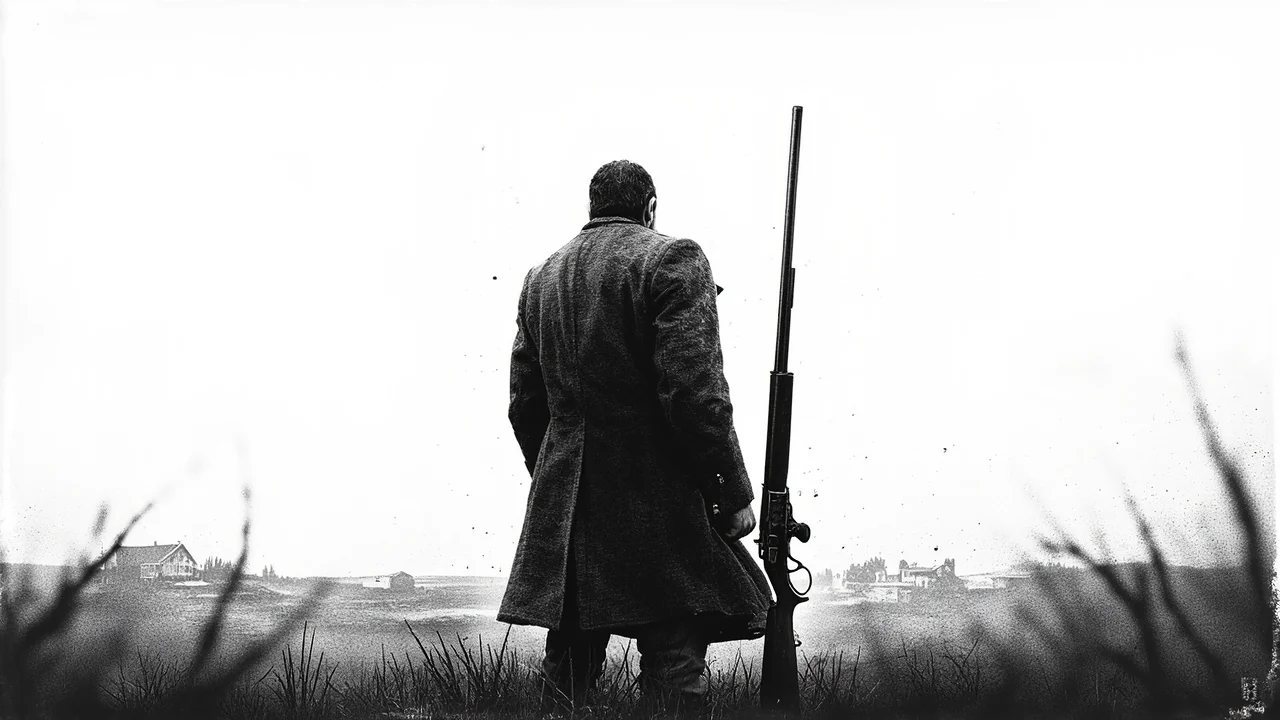
Swedish police have clarified why a man who fired a black powder gun in a residential area of Osby is not suspected of a crime for the shooting itself. The loud bangs from the antique weapon, which fires only gunpowder and not bullets, caused alarm among neighbors and triggered a significant police response. Despite the disruption, authorities state the act of firing the replica was not illegal. The man is, however, now suspected of a separate weapons offense after police found a different, license-required firearm in his home without the proper permit.
"The antique weapon fires only gunpowder, not bullets," said police spokesperson Thomas Johansson, explaining the distinction. "Even though the loud bangs frightened people nearby and caused a major police operation, we assess that the man did not commit a crime when he fired."
The incident highlights the nuanced and often surprising boundaries of Sweden's strict weapons laws. It also raises questions about public perception of danger versus legal reality in a country where gun ownership is heavily regulated but historical replicas occupy a gray area.
A Startling Sound in a Quiet Neighborhood
Residents in the affected area of Osby, a town in the Kronoberg region of southern Sweden, reported hearing loud, explosive noises. The sound of black powder igniting is distinct from a modern gunshot—a deep, booming report that echoes. In a peaceful community, such sounds are immediately associated with threat and danger. Concerned calls flooded the police switchboard, describing what many feared were gunshots.
The police response was swift and sizable. Officers, trained to treat reports of firearms with the highest priority, cordoned off the area. The operation involved multiple units, a significant allocation of resources aimed at ensuring public safety. The scene, with its flashing blue lights and armed responders, stood in stark contrast to the typical calm of a Swedish residential street. This visual and auditory drama cemented the community's fear that something seriously violent was unfolding.
The Legal Gray Area of Historical Firearms
Upon apprehending the man, police discovered the source of the noise: an antique black powder firearm. Under Swedish law, weapons designed before 1890 that use black powder and fire loose ammunition (not fixed cartridges) are often classified differently than modern firearms. Replicas of these historical weapons can sometimes fall outside the strictest regulations, particularly if they are deemed non-functional or are used in a specific, controlled manner.
The key legal distinction, as explained by spokesperson Johansson, is what the weapon propels. A black powder gun like the one used may create a loud bang and a flash of flame, but it does not fire a projectile like a bullet. Therefore, the act of discharging it is not considered "illegal use of a firearm" or "endangerment" in the same way firing a pistol would be. The law focuses on the potential for lethal force. This technicality, while legally sound, often clashes with public experience. The sound is terrifying, and the intent behind creating it is unclear to those who hear it.
"It's a classic example of where the law and public sentiment can diverge," says legal analyst Erik Lundström, who specializes in Swedish weapon statutes. "The statute book sees no bullet, therefore no direct physical threat. But the neighbor who hears what they think is a shotgun blast experiences real fear and trauma. The police have to respond to that public safety concern, even if the final charge sheet doesn't reflect the initial alarm."
From Noise Complaint to Weapons Charge
While the shooting itself did not lead to criminal suspicion, a subsequent search of the man's home yielded a different result. Police located another weapon. This firearm was a modern, license-required type for which the man lacked the necessary permit. This discovery shifted the focus of the investigation entirely.
The man is now formally suspected of a weapons offense related to this second, unlicensed firearm. This charge carries potential penalties including heavy fines and imprisonment. The incident transformed from an investigation into a disturbing public disturbance to a more straightforward case of illegal weapons possession.
This twist is significant. It suggests the black powder shooting, while legally permissible on its own, acted as a catalyst. It drew police attention to the individual, which then led to the discovery of a separate, clear-cut violation. The situation underscores how one legal action can inadvertently expose illegal ones.
Cultural Context and the Swedish Relationship with Guns
To understand this story fully, one must consider Sweden's cultural and legal stance on firearms. Sweden has strict gun control laws compared to many countries. Ownership is a privilege, not a right, granted primarily for hunting or licensed sport shooting. Permits require background checks, safety courses, and proof of a valid reason. Public tolerance for the casual or reckless use of any weapon is extremely low.
This creates a society where the sound of gunfire is aberrant and deeply alarming. It is not a common background noise. Therefore, when explosions rang out in Osby, the community's reaction was one of genuine shock and fear. The police response mirrored that societal expectation of safety and order.
The presence of a black powder enthusiast also touches on a subculture within Sweden. Historical reenactment, particularly of the Viking era or the Napoleonic wars, has its followers. Some collectors focus on antique firearms as historical artifacts. Their hobby exists within a tight framework of regulation, often requiring membership in approved clubs for any discharge of such weapons. The Osby incident raises the question of whether this individual was part of such a structured hobby or engaging in a more solitary and less disciplined activity.
The Aftermath and Lingering Questions
The police have concluded their operational response in Osby. The suspect is processed for the unlicensed weapon charge, and the black powder gun has likely been confiscated for examination. Life in the neighborhood will return to normal. But the event leaves behind a residue of unanswered questions and mild unease.
Neighbors may wonder about the man's intent. Was he testing the replica? Was it a misguided prank? Or simply a profound lack of judgment about how his actions would be perceived? The police have not suggested any hostile or threatening motive behind the shooting itself.
More broadly, the incident prompts a discussion about whether regulations around replica and antique firearms are sufficient. Should the discharge of any device that convincingly mimics a gunshot in a public space be considered a public order offense, regardless of its projectile capability? The psychological impact is real, even if the ballistic threat is not.
"We trust the police to use their discretion," says Johansson. "Our assessment was that no crime was committed by the firing. But we absolutely understand why people were frightened. Our job is to investigate both the action and the intent, and in this case, the law is clear."
For the residents of Osby, the memory of that loud bang will fade. But the story serves as a strange footnote on a quiet Tuesday—a reminder that safety is both a legal construct and a feeling, and the two do not always align. It also shows how Sweden's methodical legal system works, separating the frightening from the illegal, while still ensuring consequences for clear violations. The final outcome hinges not on the noise that started it all, but on the unlicensed weapon found quietly in a drawer.