
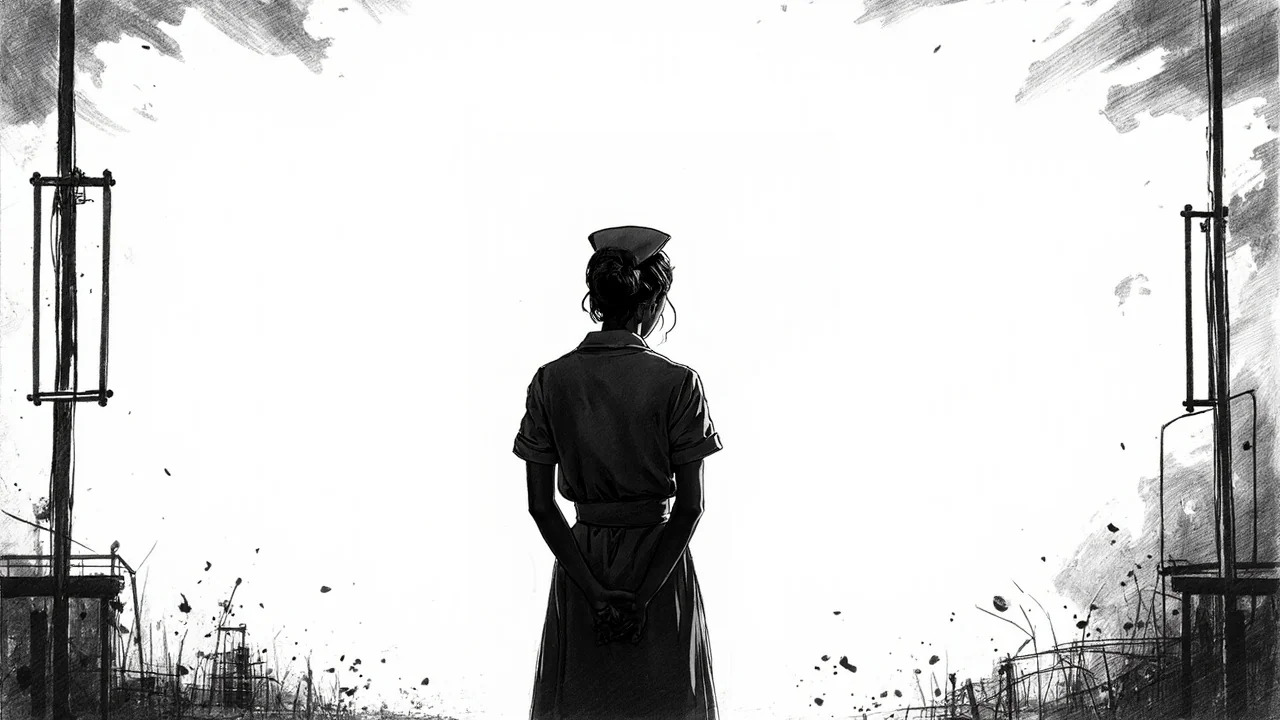
Swedish government mental health policy faces scrutiny after a nurse with 20 years of experience resigned from Norrbotten psychiatry. Her testimony describes systemic chaos in regional wards, prompting questions about Riksdag decisions on healthcare funding.
Veteran Nurse Blows the Whistle
A nurse identified as "Frida" worked nearly two decades in both open and closed psychiatric care in Norrbotten. She recently quit in protest, citing unbearable conditions. "I have always burned with passion to help my patients. But it was no longer possible," she said. "We get no preconditions to perform professional work. It is chaos on the wards." She requested anonymity due to fear of retaliation from the region.
Her words come amid broader debates in Stockholm politics over healthcare accountability. Frida compared current conditions to better times, stating the entire psychiatry system is now dismantled. This personal account highlights potential failures in government policy Sweden aimed at mental health services.
Specific Allegations of Ward Chaos
Frida provided concrete examples of the disorder she witnessed. Patients with entirely different needs are mixed arbitrarily, such as depressed individuals with addicts. Men and women are placed together without proper separation. She reported incidents where severely ill patients, unaware of their actions, engaged in sexual activity due to lack of supervisory staff.
These allegations point to critical staffing shortages and mismanagement. Frida attributed earlier silence among colleagues to fear of punishment and exhaustion. "Many are worn out and do not have the energy," she explained. Her decision to speak out underscores deep-seated issues within regional healthcare structures.
Regional Response and Legal Framework
Region Norrbotten declined an interview but issued a general statement. "If someone needs inpatient care in Norrbotten, that person gets it, regardless of how many care places are available that day," the statement read. It acknowledged mental health as a nationwide challenge and emphasized adherence to legal criteria for compulsory care.
The region referenced recent violent acts in Sweden during the Christmas weekend, which sparked discussions on compulsory and long-term psychiatric care. "Coercive care cannot happen after an arbitrary assessment, there are criteria that must be met for us to keep someone against their will," the statement continued. This aligns with Riksdag decisions on patient rights and care standards.
Region Norrbotten also praised its employees, noting many doctors, nurses, and attendants take pride in their work. The statement asserted that staff are a positive force helping patients improve. However, this contrasts sharply with Frida's firsthand account of daily struggles and resource deficits.
Historical Context of Swedish Psychiatry
Sweden's psychiatric care has undergone significant reforms over decades, driven by Riksdag decisions to deinstitutionalize and integrate services. In the 1990s, policy shifts moved care from large hospitals to community-based settings. This was intended to improve patient autonomy and reduce stigma.
Recent government policy Sweden has focused on increasing access to mental health services, with funding allocations debated in the Swedish Parliament. However, regional disparities persist, as seen in Norrbotten. The bureaucratic process involves state grants to regions, which then manage healthcare delivery, often leading to variations in quality and capacity.
Historical underfunding and staffing crises have plagued Swedish psychiatry, with reports of long waiting times and overcrowded wards. This case in Norrbotten echoes nationwide concerns, putting pressure on the Swedish government to reassess its healthcare strategy. The Riksdag building has hosted numerous sessions on mental health, yet implementation at regional levels remains inconsistent.
Bureaucratic Processes and Accountability
Understanding the bureaucratic processes is key to grasping this issue. Sweden's healthcare system is decentralized, with regions like Norrbotten responsible for service delivery under national guidelines. Funding comes from state subsidies and regional taxes, creating complex accountability structures.
When failures occur, as alleged here, the chain of command involves regional boards, national health agencies, and ultimately the Swedish government. Ministers for Health and Social Affairs often intervene only after crises become public. This case highlights the need for more proactive monitoring and support from Stockholm politics to ensure consistent care standards.
The region's statement about following existing legislation underscores the legal constraints, but Frida's testimony suggests operational failures beyond mere compliance. This dichotomy between policy and practice is a recurring theme in Swedish healthcare debates, requiring nuanced solutions from the Swedish Parliament.