
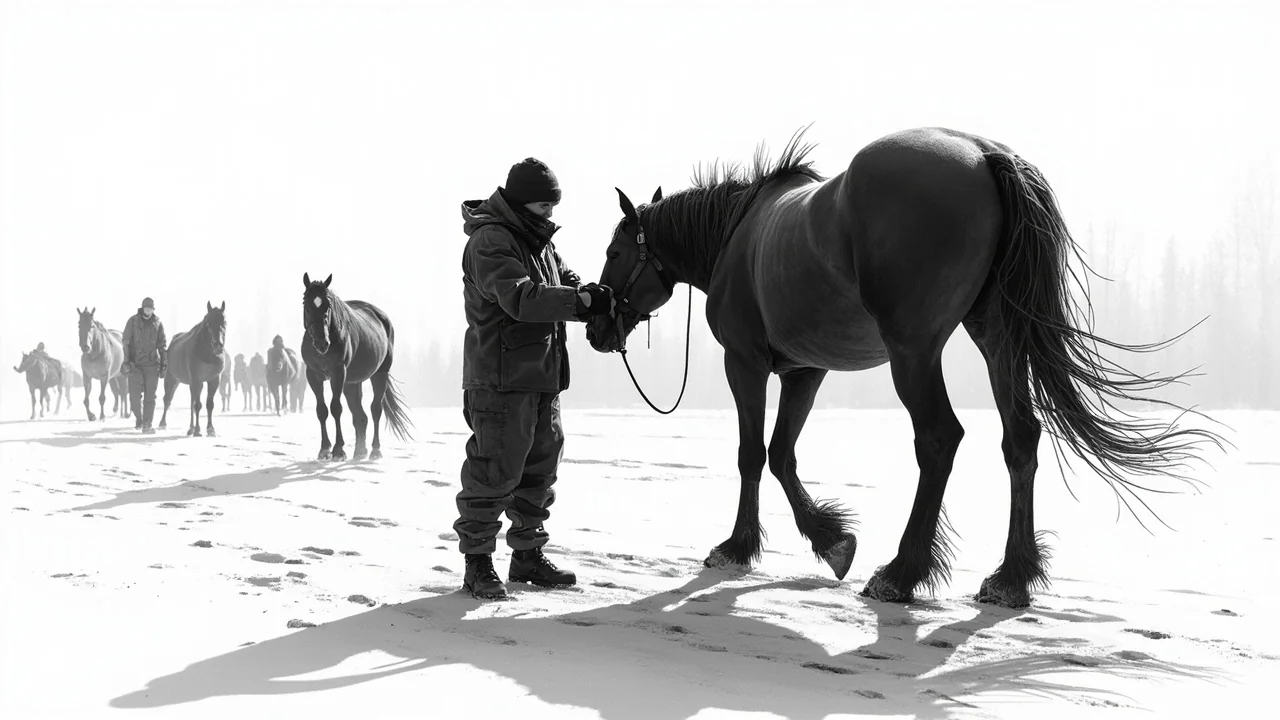
Sweden's veterinary clinics are reporting over a thousand emergency cases this winter as plummeting temperatures create a health crisis for the nation's horses. The bitter cold and icy conditions are leading to a sharp rise in colic, a painful and potentially fatal digestive condition, alongside a spike in traumatic injuries. For equestrians across the country, the season of crisp snow rides has become a time of heightened vigilance and worry.
"We are seeing a clear increase in horses needing care due to the cold. Many are getting colic," says Karin Lindberg, a veterinarian with Distriktsveterinärerna in Eskilstuna. Her observations are echoed by colleagues nationwide. The frigid weather doesn't just chill the animals; it fundamentally changes their environment and physical demands, triggering a cascade of health risks that keep veterinarians and horse owners on high alert.
Why Winter is a Digestive Danger Zone
Colic, characterized by severe abdominal pain, is a leading cause of death in horses. Its connection to winter is multifaceted. Dr. Lindberg explains that changes in routine, reduced water intake if it freezes, and the physiological stress of maintaining body heat in sub-zero temperatures can all disrupt a horse's sensitive digestive system. A horse might drink less if water sources ice over, leading to impaction—a major colic trigger.
The simple act of staying warm requires more energy, potentially altering feeding schedules and forage quality. For thousands of Swedish horses, the shift from autumn pasture to winter stable routines is a significant change that must be managed with extreme care. "Access to liquid water that does not freeze is absolutely critical," Lindberg emphasizes, highlighting a basic yet often challenging winter task for owners.
The Peril of Icy Grounds and Heavy Falls
Beyond internal ailments, the physical landscape of a Swedish winter presents obvious hazards. Icy paddocks and pathways become danger zones. A horse's substantial weight, often over 500 kilograms, turns a simple slip into a potentially devastating event. "They are very heavy, so when they fall, it's a harder impact than if you think of a dog or a cat," Lindberg notes. Injuries can range from strains and sprains to fractures or serious ligament damage.
These "skador i hagen," or pasture injuries, are a direct result of treacherous footing. A momentary loss of balance can lead to weeks of recovery. This risk forces a difficult choice for many owners: restrict movement for safety or allow necessary turnout and accept the inherent risk of icy terrain. It's a daily calculation that defines winter horse management in regions like Uppland or Dalarna.
The Double-Edged Sword of Winter Shoes
To combat slippery conditions, many horse owners use special winter shoes, often equipped with studs or borrades (caulks). This common practice, however, introduces its own set of problems. "A metal shoe on ice becomes very slippery, which is why many use studs on their horses when it's cold," Lindberg explains. But these necessary grips can become dangerous weapons.
The veterinarian points to a grim irony. "There is also a risk with that. They can injure themselves or other horses if they make contact with the studs." A playful kick or an accidental step can cause deep, penetrating wounds. The advice from experts is cautious: use studded shoes only when absolutely necessary, such as for riding on hard-packed ice, and remove them immediately after. For many, this means changing shoes frequently—a time-consuming but vital safety ritual.
Practical Wisdom from the Stable
So, what can responsible horse owners do? The solutions are a blend of modern innovation and timeless, practical care. First, ensuring unfrozen water is non-negotiable. Heated water buckets or troughs are a winter essential. Providing ample, high-quality forage helps horses generate internal heat and maintain gut motility. Thoughtful pasture management, like sanding icy gateways and high-traffic areas, can reduce slip risks.
Regular, careful observation is perhaps the most powerful tool. Knowing a horse's normal behavior allows an owner to spot the early signs of colic—restlessness, looking at the flank, lack of manure—and call a veterinarian immediately. For riding, adjusting schedules to avoid the iciest times of day and using appropriate, well-maintained hoof gear is key. In Stockholm's equestrian suburbs like Hägersten or beyond in the Swedish countryside, this mindful approach is the first line of defense.
A Reminder for All Pet Owners
While horses face unique challenges due to their size, the cold snap is a reminder for all pet owners. Lindberg extends her concern to smaller companions. "All animals may need help related to the cold. Of course, it is important for other animals, too, that they, for example, have access to water that does not freeze." Outdoor cats need warm shelters. Dogs, especially short-haired breeds, may need coats during walks. Paws should be checked for ice balls and chemical irritants from de-icing agents.
The plight of horses this winter is a stark segment of a broader seasonal story. It underscores our responsibility to adapt our care as the environment shifts. It blends Sweden's deep-rooted equestrian culture with the practical realities of a Nordic climate. As the country endures another deep freeze, the bond between human and animal is tested not by grand gestures, but by the diligent, daily acts of prevention—checking the water, breaking the ice, and watching closely for any sign of distress. The true measure of care is found in these quiet, cold moments at the stable door.