
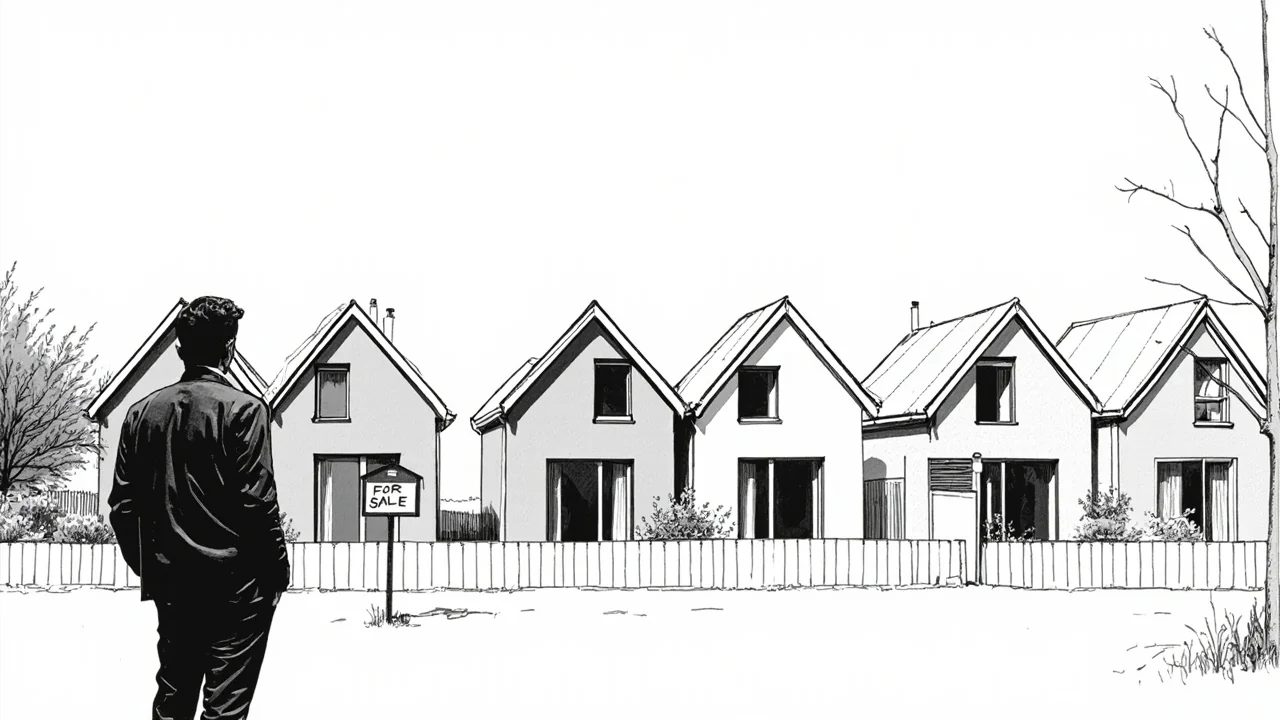
Sweden's housing market forecast is pointing upwards once more, defying a typical December price dip and injecting cautious optimism into the national conversation. The latest data shows a seasonal drop last month, yet analysts are already predicting price increases for the coming year. This recurring cycle of worry and relief defines the Swedish relationship with home ownership, a cornerstone of the national psyche.
For many Swedes, the state of the bostadsmarknad is more than an economic indicator. It's a barometer of personal security and future plans. The dream of owning a villa with a red wooden facade or a central Stockholm apartment remains powerful. Recent forecasts suggesting a rebound are being met with a mix of hope and skepticism in coffee breaks from Malmö to Umeå.
The December Dip: A Seasonal Tradition
A slight price fall in December is almost a Swedish tradition, like watching Kalle Anka on Christmas Eve. Hans Flink, sales manager at Svensk Mäklarstatistik, explains this pattern. He notes that sales of the most expensive properties often pause before the Christmas and New Year holidays. This temporary halt pulls down the average price of transactions that do go through. It's a statistical quirk, not a market crash.
"We see this every year," Flink said in a statement. "The high-end market takes a breath in December. It's important to look at the broader trend, not just one month's snapshot." This perspective is crucial for understanding the full picture. The marginal movements when the whole year is summed up tell a more stable story.
A Market Intertwined with Swedish Identity
To understand the reaction to these forecasts, one must understand the cultural weight of housing. The concept of 'folkhemmet' – the people's home – historically extended from society into the literal home. Owning property is deeply tied to stability and success. In cities like Stockholm, Gothenburg, and Lund, discussions about bidding wars and mortgage caps are common. They happen at playgrounds in Vasastan and in offices in Hammarby Sjöstad.
Renting, especially in the regulated first-hand market, offers security. But the wealth-building potential and freedom of ownership hold immense appeal. The annual 'Årets Bostad' housing fair in Älvsjö draws massive crowds. People dream and plan. When forecasts turn positive, it fuels those dreams. It means young couples in Uppsala might finally win a bid. It means families in Västerås can consider upsizing.
The Analyst's View: Cautious Optimism Returns
The phrase "prognosen pekar uppåt – igen" (the forecast points upward – again) captures a weary optimism. Analysts have ridden this rollercoaster before. After a period of correction and concern, indicators are shifting. Interest rate expectations, inflation trends, and construction rates all feed into this new prediction. It's not about a wild boom. It's about a gradual, steady recovery.
This outlook impacts more than just buyers and sellers. It affects construction jobs in suburbs like Barkarby. It influences retail sales for furniture stores in shopping centers like Mall of Scandinavia. A confident housing market often signals broader consumer confidence. When people feel secure in their biggest asset, they are more likely to spend on renovations, gardens, and home comforts.
The Stockholm Perspective: A Market Apart
Any discussion of Swedish housing must acknowledge Stockholm's unique position. The capital's market operates by its own intense rules. A forecast for rising prices nationwide often starts and is felt most acutely here. Neighborhoods like Södermalm, Östermalm, and the burgeoning area of Hagastaden are constant topics of analysis.
A rising forecast can instantly reignite the competitive anxiety of open houses. It changes the calculus for those trying to sell a two-room apartment in Kungsholmen to buy a house in Bromma. The ripple effect extends to commuting towns like Södertälje and Märsta. For Stockholmers, a positive forecast is a double-edged sword. It increases property value but also raises the barrier for first-time buyers.
Looking Beyond the Headline Numbers
The raw forecast is just the beginning. The real story is in the details and the human reactions. What does a 2% or 5% predicted rise actually mean for different regions? The market in bustling Gothenburg differs from that in rural Dalarna. The forecast may boost seller confidence in Malmö's trendy Västra Hamnen district. But it might cause worry for teachers and nurses looking in the same area.
Experts urge a long-term view. The Swedish housing market has proven resilient over decades. It weathers storms and enjoys sunny periods. This latest forecast suggests another period of stabilization and growth may be on the horizon. The key, as always, is sustainable growth that doesn't outpace income or encourage dangerous levels of household debt.
The Cultural Ritual of Market Watching
Following housing market forecasts has become a national pastime. It's discussed alongside weather and sports. The release of quarterly reports from major banks and statistics agencies gets media coverage. People adjust their life plans based on these predictions. Should we renovate the kitchen now to increase value? Is this the year to finally put in that down payment?
This ritual speaks to a practical, planning-oriented culture. Swedes like to know what's coming. The housing market, with its cycles, offers a complex but fascinating puzzle. The current forecast of rising prices provides a clear, if tentative, answer. It suggests a return to a familiar upward path.
What Comes Next?
The forecast is a prediction, not a promise. Global economic winds, domestic policy decisions, and simple consumer sentiment can alter the course. The coming months will be telling. Will spring bring a flood of new listings to match the predicted demand? Will interest rates cooperate?
For now, the message is one of cautious hope. The Swedish housing market, a core part of the nation's economic and cultural fabric, appears poised for a calmer, more positive chapter. After the uncertainty, the forecast points upward – again. The question remains: will this time be different, or simply another turn in a well-established cycle? Only the view from next December will tell.