
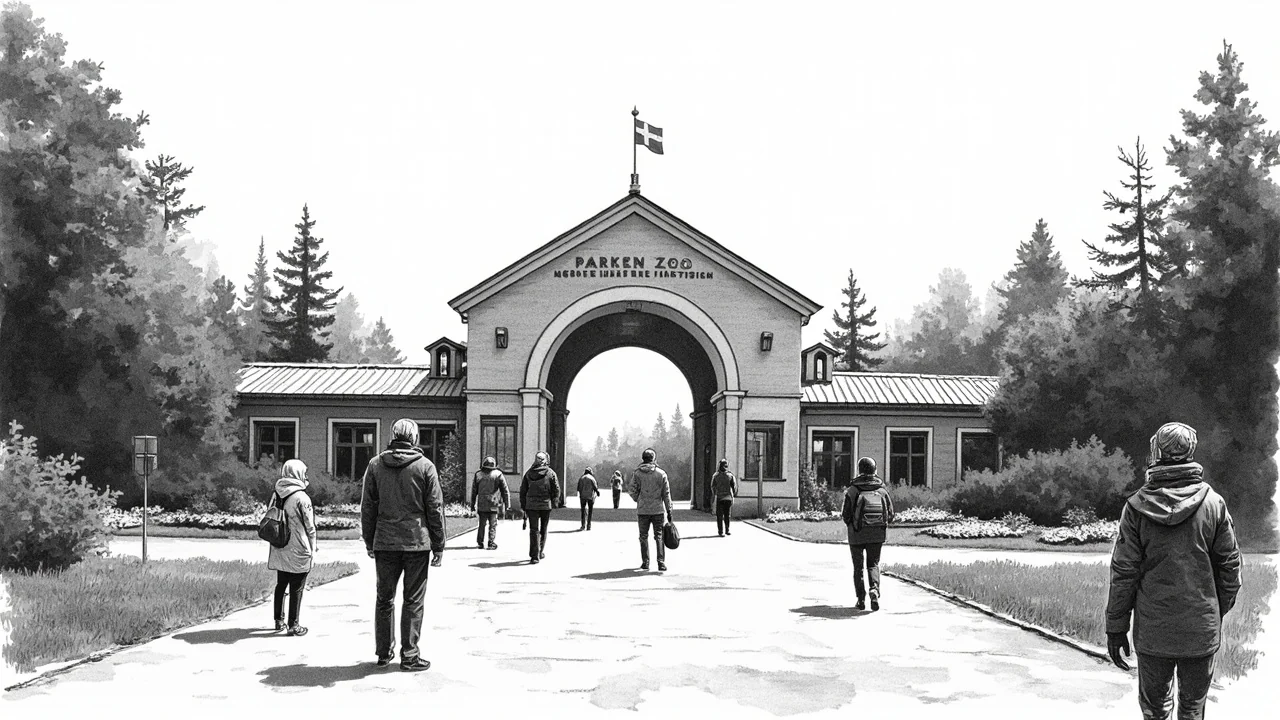
Eskilstuna's Parken Zoo, sold for one Swedish krona in 2016, has changed hands again after reporting million-krona losses for several consecutive years. The new owners from Tropicarium in Kolmården plan significant investments to revitalize the struggling animal park. This transaction highlights ongoing challenges in managing municipal cultural assets under Swedish government policy frameworks.
Financial Struggles and Municipal Exit
Mimir Invest, which acquired Parken Zoo from Eskilstuna Municipality in 2016 for a symbolic krona, is now selling the property due to persistent financial deficits. The zoo recorded losses in the millions of kronor annually, straining private ownership. In September 2025, the municipality declined an offer to repurchase the zoo, a decision made by local government officials aligned with Riksdag decisions on fiscal responsibility. This move reflects broader trends in Swedish municipal asset management, where public entities often divest non-core properties to private investors.
The sale process underscores the complex interplay between local autonomy and national government policy Sweden. Eskilstuna's council, operating from the government district in Rosenbad's shadow, weighed economic risks against community benefits. Their refusal to buy back the zoo signals a cautious approach to public spending, influenced by Riksdag mandates on budget constraints. Financial records, though not fully disclosed, indicate that sustained losses made municipal reacquisition untenable under current Swedish Parliament oversight mechanisms.
New Ownership and Strategic Vision
Filip Sotton Heyn, Rickard Sjödén, and Thomas Farkasdi from Tropicarium will assume control on February 1, with plans to announce detailed changes in spring. In a joint statement, they said, 'Our ambition is clear: Parken Zoo should again become Eskilstuna residents' living room and one of Sweden's most popular destinations.' Their strategy involves quality improvements for both visitors and animals, leveraging experience from Kolmården's operations. This acquisition represents a private-sector solution to a public-gone-private asset, common in Stockholm politics debates on infrastructure funding.
The new owners emphasize creating a sustainable model, potentially involving partnerships that align with Swedish government incentives for tourism and conservation. Their commitment includes forthcoming investments, though specific figures remain undisclosed. This approach mirrors successful transitions in other Swedish regions, where private entities rejuvenate cultural sites under municipal oversight. The takeover will be closely watched by policymakers, as it tests the efficacy of private management for heritage assets under Swedish law.
Historical Significance and Community Role
Parken Zoo, founded in 1898, is one of Sweden's first folk parks, with animals introduced in the early 1950s. It has served as a community hub for generations, embodying the social democratic ideals embedded in Swedish government cultural policies. The zoo's longevity reflects historical Riksdag decisions supporting public recreation spaces, though funding mechanisms have evolved. Its location in Eskilstuna, away from Stockholm politics centers, highlights the decentralized nature of Swedish Parliament initiatives on local development.
Over 126 years, the zoo has adapted to changing public expectations and economic conditions. The sale to Mimir Invest in 2016 marked a shift toward privatization, a trend debated in Swedish government circles regarding public service delivery. The current sale continues this trajectory, raising questions about the preservation of communal heritage under private ownership. Community reactions will likely influence future municipal decisions, as local governments balance historical value with fiscal realities.
Policy Implications for Local Governance
This sale illustrates the practical application of Swedish government policy on municipal asset management. Eskilstuna's initial sale for one krona and subsequent buyback refusal follow protocols established by Riksdag decisions on public finance. The process involved council votes and bureaucratic reviews, typical in Swedish Parliament-designed systems for local autonomy. Such cases are studied in Stockholm politics as examples of public-private transitions, informing broader government policy Sweden on cultural institution sustainability.
The Swedish government's role here is indirect, through legislative frameworks that guide municipal actions. However, national policies on tourism and conservation could impact the zoo's future, if the new owners seek state grants or partnerships. This scenario is common across Sweden, where local initiatives intersect with national strategies, often discussed in Riksdag committees. The outcome may set precedents for other municipalities considering similar divestitures, affecting how Swedish Parliament addresses regional economic disparities.
Future Prospects and Spring Announcements
The new owners have committed to presenting detailed plans in spring, which will include renovations and operational shifts. These changes aim to restore the zoo's popularity and financial health, aligning with Swedish government goals for vibrant local economies. The transition period will involve coordination with Eskilstuna Municipality, ensuring compliance with zoning and animal welfare regulations set by Swedish Parliament laws.
Success depends on attracting visitors and managing costs, a challenge faced by many Swedish cultural sites. The owners' experience with Tropicarium may provide a model, but economic headwinds could test their strategy. As spring approaches, community engagement will be crucial, reflecting the democratic principles underlying Swedish government policy. This sale, while concluding a chapter of uncertainty, opens a new one where private innovation meets public heritage, a dynamic central to modern Swedish society.