
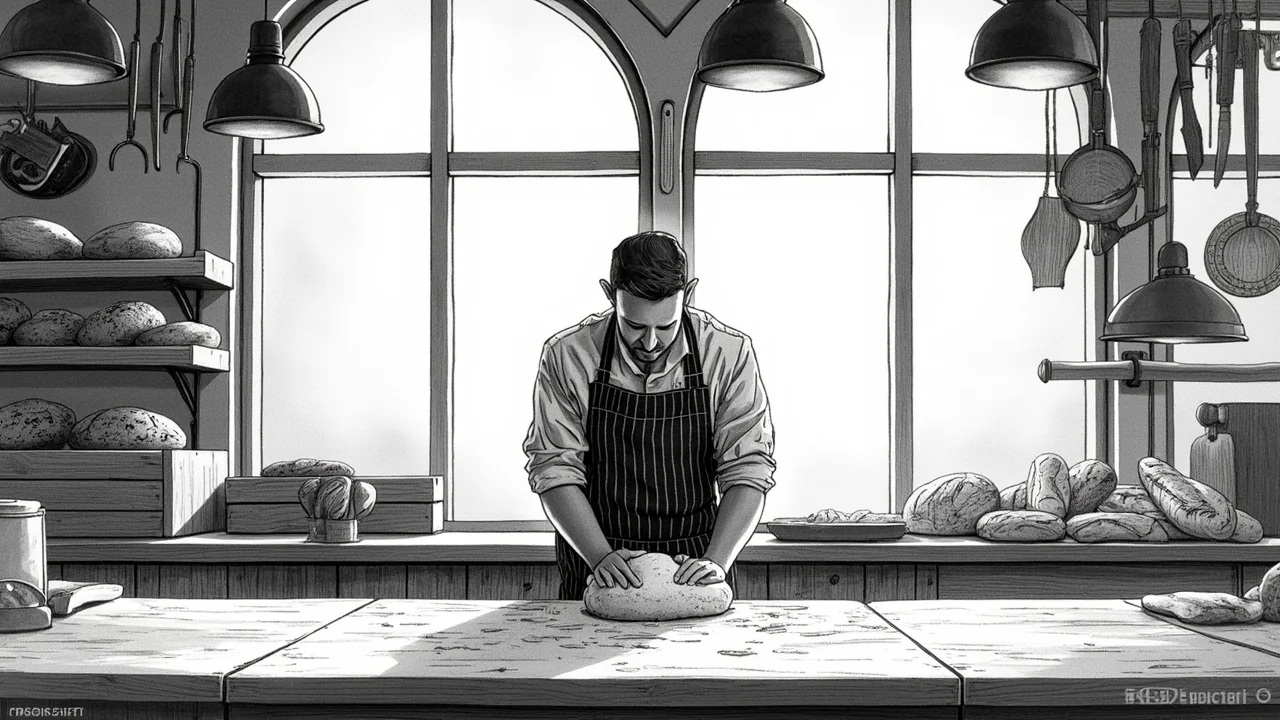
Sweden’s surging sourdough trend has sparked an unprecedented demand for local flour, pushing four newly-registered organic mills to their limits last year. Across the country, from family farms to historic millstones, a quiet revolution in baking is testing the capacity of Sweden's smallest-scale food producers.
It began with a course in southern Sweden for Margareta Zimmerman Bertilsson and her husband Johan. They used grain from their own farm. When it was ground into flour and used in baking, something clicked. "We became fascinated by the idea of producing our own flour," Margareta recalls. After experimenting with a small tabletop mill at their home, they made a significant investment in a larger one. Today, it grinds several tons of flour annually, transforming a personal interest into a thriving small business.
Margareta connects their success directly to the cultural wave of home baking. "Over the last three years, we’ve clearly noticed a growing interest, which links directly to sourdough's rising popularity. Customers are increasingly curious about the origin of their ingredients and want to support local producers," she explains. This shift isn't just about taste. It's a statement about provenance, sustainability, and a tangible link to the Swedish landscape.
The Millers Can't Keep Up
This newfound passion for local grain is creating a happy but intense problem for established millers. In Västmanland, two mills—Munktorps kvarn in Köping and Stora Hällsta in Sala—are feeling the pressure. Ingvar Pettersson at Stora Hällsta, a mill operating for over 30 years, describes a constant backlog. "We are fully booked and have to turn people away because we can't manage everyone who wants our flour. We notice that more and more people are interested in organic and locally produced flour," he says. His experience mirrors a national pattern where demand is outstripping the slow, careful processing of small-scale mills.
The official statistics are sparse, but the trend is visible on the ground. The national organic mill map, which lists certified mills working with heritage grains, was updated in 2023. It showed four new mills had been added compared to the previous year. Each new dot on that map represents a significant personal investment and a bet on a lasting change in Swedish food culture, not just a passing fad.
More Than a Trend: A Cultural Shift
Sourdough’s prominence has moved far beyond Instagram feeds and home kitchens. It has exploded into mainstream Swedish culture, featured in music videos and celebrated by celebrities. This visibility has normalized the pursuit of the 'perfect loaf' and educated a wider audience about the importance of quality flour. The trend taps into a deeper Swedish value of 'lagom' and self-sufficiency, reframed for a modern, urban audience. It’s about creating something tangible and good in an increasingly digital world.
Stockholm’s food markets, like Östermalms Saluhall or the hip vendors at Hornstulls Marknad, now regularly feature bakers touting their use of specific local flours from Skåne or Dalarna. The ingredient has become a story in itself. "People don't just buy a loaf anymore," says a baker in Södermalm. "They ask, 'Whose wheat is this?' They want to know the farmer, the mill, the variety. It’s a complete change from ten years ago when flour was just… flour."
Expert Perspective: Resilience and Regionality
"This isn't just a baking trend; it's a supply chain revolution," says food sociologist Karin Lönn, who studies Nordic food systems. "For decades, our flour production was centralized and commoditized. The sourdough boom has exposed the fragility of that system and shown a public appetite for alternatives. These small mills are building regional resilience."
Lönn points out the significant implications. First, it supports biodiversity by creating a market for older, less commercial grain varieties. Second, it shortens the supply chain, reducing food miles and creating a direct economic link between Swedish farmers and consumers. "The challenge now," she notes, "is infrastructure. These artisanal mills are like craft breweries were 20 years ago. The demand is there, but scaling up while maintaining quality and philosophy is the next hurdle. The state could play a role here with grants for small-scale food processing equipment, treating local food security as critical infrastructure."
This analysis reveals the pressure on mills as a symptom of a larger, positive change. Swedish consumers are voting with their kronor for a different kind of food system. The strain on mills indicates a success of this cultural shift, but also a bottleneck that could limit its growth. Will investment follow the demand? Can the nostalgic image of the local mill evolve into a modern, supported part of Sweden's agricultural framework?
The Future in the Grain
Back on their farm, Margareta and Johan Bertilsson look to the future. Their story, from a weekend course to a business grinding tons of local flour, encapsulates the trend's potential. They are part of a movement reconnecting Swedes with their agrarian roots, one loaf at a time. The pressure on their mill, and others like it, is a sign of a public hunger for authenticity that shows no sign of abating.
As the days grow shorter and Swedes return to their warm kitchens, the demand for local flour will likely climb again. The question for Sweden's small millers is not if the trend will continue, but how a traditional craft can adapt to a modern obsession. The answer will determine whether the sourdough boom builds a lasting legacy for Swedish grain, or simply leaves its most passionate proponents searching for flour.
For now, the millstones keep turning, a little faster than before.