
Sweden's ambitious plan for a flagship electric vehicle battery factory in Gothenburg has collapsed. Novo Energy, the joint venture company owned by Volvo Cars, has terminated all remaining 75 employees, including its CEO. This final layoff marks the complete shutdown of the venture's operational team, leaving an empty corporate shell managed directly by Volvo Cars. The move signals the definitive end of a project once hailed as a cornerstone of the Nordic region's green industrial transition.
Chairman Alexander Petrofski confirmed the total workforce reduction. "There is no staff left in the company. It is being continued by Volvo Cars," he said. The company has formally notified the Swedish Public Employment Service of the layoffs. This final cut follows a series of workforce reductions throughout 2025, which saw 120 and then 150 employees lose their jobs. The original vision promised up to 3,000 new positions.
The Collapse of a Nordic Powerhouse Dream
The story of Novo Energy is a stark narrative of high ambitions derailed by the failure of a key partner. The venture was announced in February 2022 as a 50/50 partnership between Volvo Cars and Northvolt, Sweden's battery champion. The plan was strategic and locally integrated: build a 50 GWh battery cell factory adjacent to Volvo Cars' Torslanda vehicle plant. This facility was designed to supply dedicated batteries for 250,000 electric cars per year, starting in the second half of 2026. It represented a vertical integration dream for the automotive giant, securing a local, green supply chain for its future models.
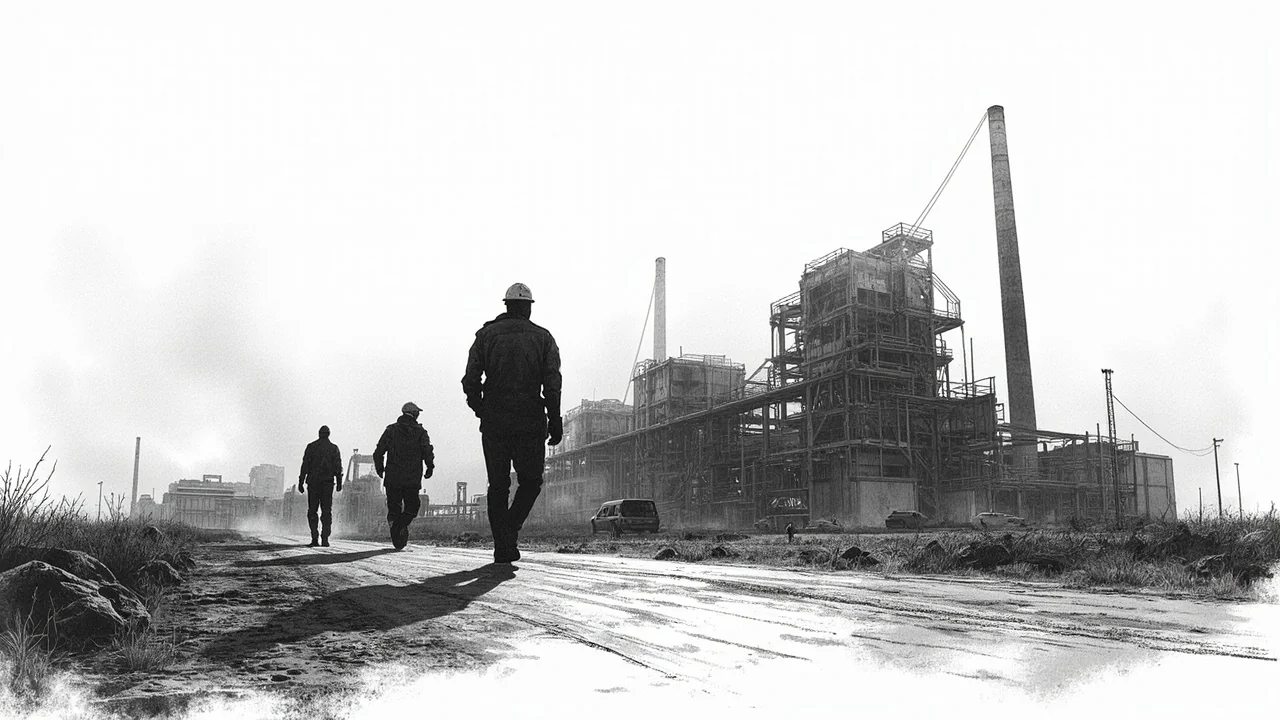
"The partner dialogue has continued during 2025, but since we do not have a partner in place, we have reached the point where we have completed the shell of the factory building," Petrofski explained. "And then we have been forced to issue a notice for 75 people. These are all positions in the company." The physical building in Torslanda now stands as a hollow monument to the failed partnership. Without Northvolt's core battery cell manufacturing technology and expertise, Volvo Cars possesses a factory shell but no viable operation to put inside it.
Northvolt's Downfall Drags a Partner Under
The fate of Novo Energy became inextricably linked to the turbulent fortunes of Northvolt. In November 2024, Northvolt filed for Chapter 11 bankruptcy protection in the United States, a move to restructure its crippling debts. The Swedish battery maker had burned through billions of kronor in development and factory construction without achieving its planned production ramp-up. By January 2025, the crisis forced Volvo Cars' hand; it took full ownership of Novo Energy and issued the first major layoffs of 120 staff. Northvolt's final descent into full bankruptcy in March 2025 severed the technological lifeline for the Gothenburg project.
This dependency highlights a critical vulnerability in the Nordic startup and industrial ecosystem. "The original idea was that Northvolt would have the battery competence in the joint company," Petrofski stated. The entire venture was predicated on Northvolt's promised, but ultimately unrealized, manufacturing prowess. When that pillar crumbled, the entire structure above it was doomed. Volvo Cars, an automotive manufacturing expert, lacked the specific cell chemistry and production process knowledge to proceed alone. The search for a new technical partner throughout 2025 proved fruitless.
Ripples Through the Swedish Business Landscape
The dissolution of Novo Energy sends shockwaves beyond its Gothenburg site. It represents a significant setback for Sweden's "Green Transition" narrative, where large-scale industrial projects are central to economic and environmental policy. The loss of a potential 3,000 high-tech manufacturing jobs is a blow to the regional economy and the national ambition to lead in electrification. It also raises questions about the concentration of risk in partnerships with high-flying but unproven startups, even those like Northvolt that achieved "unicorn" status and immense political goodwill.
For the Swedish venture capital scene, which heavily backed Northvolt, this is a sobering case study in industrial scaling risk. It underscores the vast gulf between pilot production, fundraising success, and stable, cost-competitive mass manufacturing. The case will likely make large corporates more cautious about tying flagship infrastructure projects so completely to a single startup's execution risk. Future partnerships may involve more diversified technology sourcing or clearer off-ramp clauses.
An Uncertain Future for the Torslanda Site
The immediate future of the completed factory shell in Torslanda is now a major question for Volvo Cars. The automaker is committed to a full electric lineup by 2030 and still requires a massive, secure supply of batteries. Options are limited and costly. It could seek a new joint venture with an established Asian battery giant, such as CATL, LG Energy Solution, or Samsung SDI, but this would cede control and potentially increase costs. It could attempt to license technology, but this process takes years. A third, less likely option is to repurpose the building for another aspect of its electric vehicle production, such as pack assembly using purchased cells.
Each path involves significant new investment, negotiation, and delay. Meanwhile, competitors are securing their own battery supply chains. The strategic setback means Volvo Cars' electrification timeline faces new procurement hurdles and potential cost pressures. The company's statement that Novo Energy "is being continued by Volvo Cars" suggests it is retaining the corporate entity and assets, likely for a future deal, but the operational heart of the project has stopped beating.
A Cautionary Tale for the European EV Race
The Novo Energy story is more than a corporate restructuring; it is a cautionary tale for Europe's entire electric vehicle ambition. The European Union's goal of strategic autonomy in battery production relies on projects just like this one. The failure, stemming from the collapse of a key European battery champion, exposes the fragility of the continent's homegrown supply chain efforts. It highlights the immense technical, financial, and execution challenges of competing with established Asian manufacturers who operate at vast scale with deeply refined processes.
For Sweden, a nation proud of its engineering and sustainability leadership, the outcome is particularly stinging. The project was a symbol of how traditional industrial strength (Volvo) could merge with green tech innovation (Northvolt) to build the future. Its unraveling forces a period of recalculation. It demonstrates that capital, ambition, and political support are necessary but insufficient ingredients without flawless execution and resilient business models. The empty offices of Novo Energy serve as a quiet, sobering counterpoint to the exuberant press releases of just three years ago. The Nordic innovation hub remains dynamic, but this episode proves its path is paved with both breakthroughs and brutal lessons.