
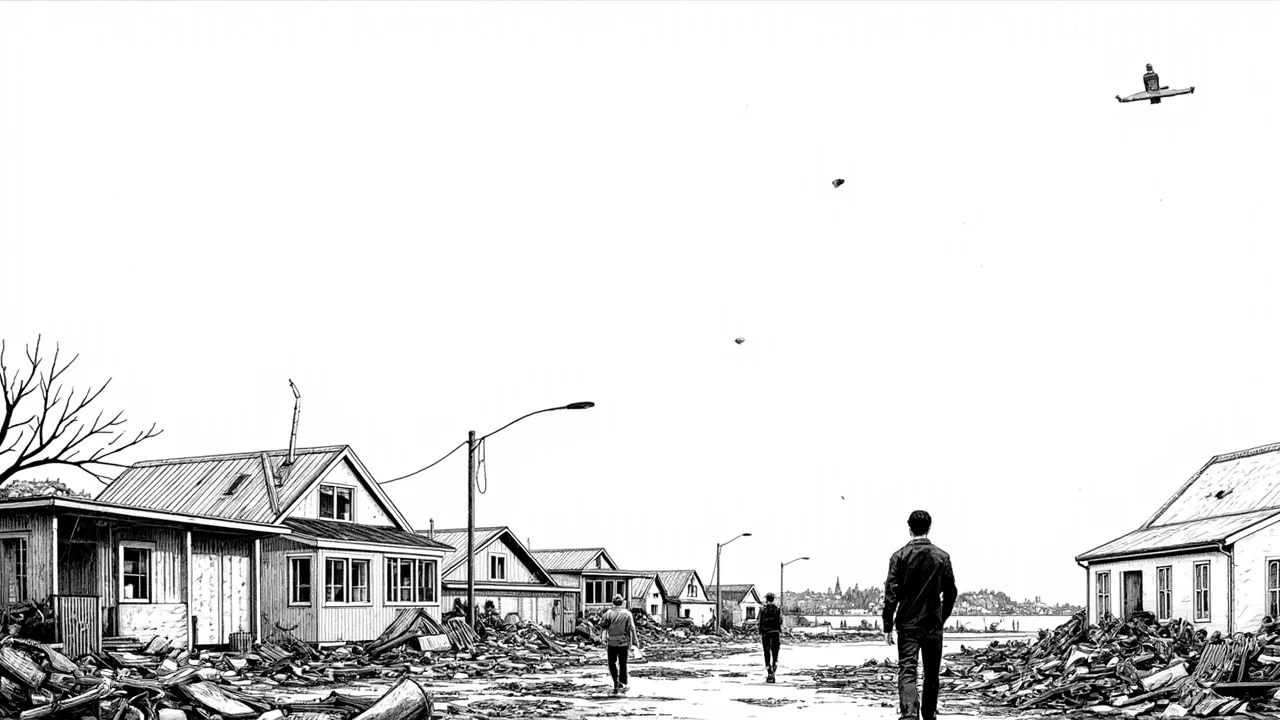
Sweden's second city Gothenburg faces a mounting public health crisis as snow-blocked streets halt waste collection for a quarter of all households. Overflowing bins now line residential areas after days of missed pickups by municipal contractors. The situation exposes critical vulnerabilities in Sweden's normally reliable public service infrastructure during extreme winter weather.
Emma Hilmersson, unit manager for the collection unit at Kretslopp och vatten, confirmed the scale of the failure. Her administration manages waste services for the municipality. "It is roughly a quarter of households we have not been able to collect from," Hilmersson stated. Customer service lines have been inundated with complaints as residents confront uncollected trash.
The primary cause is straightforward yet insurmountable for current operations: road accessibility. Large waste collection trucks cannot navigate snow-covered streets and past snow banks. This logistical paralysis transformed a seasonal nuisance into a systemic service collapse. Authorities maintain collection crews are working evenings and weekends to catch up but cannot provide households with specific timelines.
A City Buried in Trash
The visual evidence of the breakdown is unmistakable across Gothenburg's neighborhoods. Black plastic bags pile up beside official bins, creating unofficial dumping sites. This scene contradicts Sweden's international reputation for efficiency and environmental management. The crisis arrives just months after the Riksdag debated strengthening municipal service guarantees. Local politicians now face constituent anger over basic service delivery failures.
"We are working all the time, but we cannot say when a specific customer will get a collection," Hilmersson explained. This admission highlights the communication gap between the administration and citizens. The lack of a clear restoration plan increases public frustration. For a country that prides itself on transparency and order, the ambiguity is particularly damaging.
The Logistics of Winter Breakdown
The failure stems from a collision between climate realities and logistical planning. Gothenburg's waste management model relies on large, heavy vehicles accessing every street. This system functions perfectly under normal conditions. Heavy snowfall and inefficient snow clearing create impassable conditions for this specialized fleet. The city lacks a sufficient number of smaller, more agile vehicles that could operate in compacted snow.
This is not merely a Gothenburg problem but a Swedish one. Similar issues have periodically plagued Stockholm, Malmö, and other municipalities. The frequency appears to be increasing. Experts point to climate change producing more intense, wet snowfalls that are harder to clear quickly. Municipal budgets for winter road maintenance have not kept pace with these evolving challenges. The national government's infrastructure priorities often focus on large transport projects over local street accessibility.
Political Repercussions in Stockholm
The crisis in Gothenburg has drawn attention from national politicians based in the government district of Rosenbad. Opposition parties are using the situation to critique the government's broader support for municipal services. They argue that reduced state subsidies to municipalities over the past decade have eroded resilience. The governing coalition must now address whether this is a local management failure or a symptom of national policy.
Sweden's unique model of strong municipal autonomy faces a test. Gothenburg's local government has primary responsibility for waste management. Yet national policies on climate adaptation and infrastructure funding set the broader context. The Riksdag may see renewed calls for legislation mandating minimum service levels during emergencies. Previous proposals for such "crisis standards" have failed to gain majority support, often deemed too prescriptive.
Systemic Vulnerabilities Exposed
Analysts view this waste collection collapse as a symptom of a wider fragility. Swedish cities are designed for efficiency within a specific climate range. When winter extremes exceed historical norms, multiple systems can fail simultaneously. The problem in Gothenburg reveals a chain of dependency: snow clearing must precede waste collection. If the first link breaks, the second becomes impossible.
Urban planning experts note that many Swedish residential streets are narrow to begin with. Parked cars reduce space further. A standard snow bank from plowing can easily block access for a large truck. The solution requires either flawless, immediate snow removal or a redesign of collection logistics. Neither option comes cheaply for municipal budgets already strained by rising energy and labor costs.
Long-Term Solutions Needed
The immediate fix involves crews working extended hours as conditions allow. The long-term solution requires strategic investment and planning. Other Nordic cities facing similar challenges have experimented with different approaches. Some Norwegian municipalities use tracked vehicles or temporary container systems during deep winter. Finnish cities often allocate more resources to primary snow clearing on collection routes.
For Gothenburg, the path forward likely involves a costly review of its entire winter operations plan. This will mean difficult conversations about tax levels and service priorities. The national government could play a role by providing targeted grants for climate adaptation in municipal services. The Swedish Parliament has shown increased interest in resilience funding, particularly after recent summer wildfires and floods.
The current mess in Gothenburg's streets serves as a stark warning. Sweden's famous societal model depends on the smooth operation of basic services. When winter exposes flaws in logistics and planning, public trust erodes quickly. The question for policymakers in both City Hall and the Riksdag building is whether they will treat this as a one-off weather event or a wake-up call. Investing in resilience is expensive, but the cost of repeated failures is far greater.