
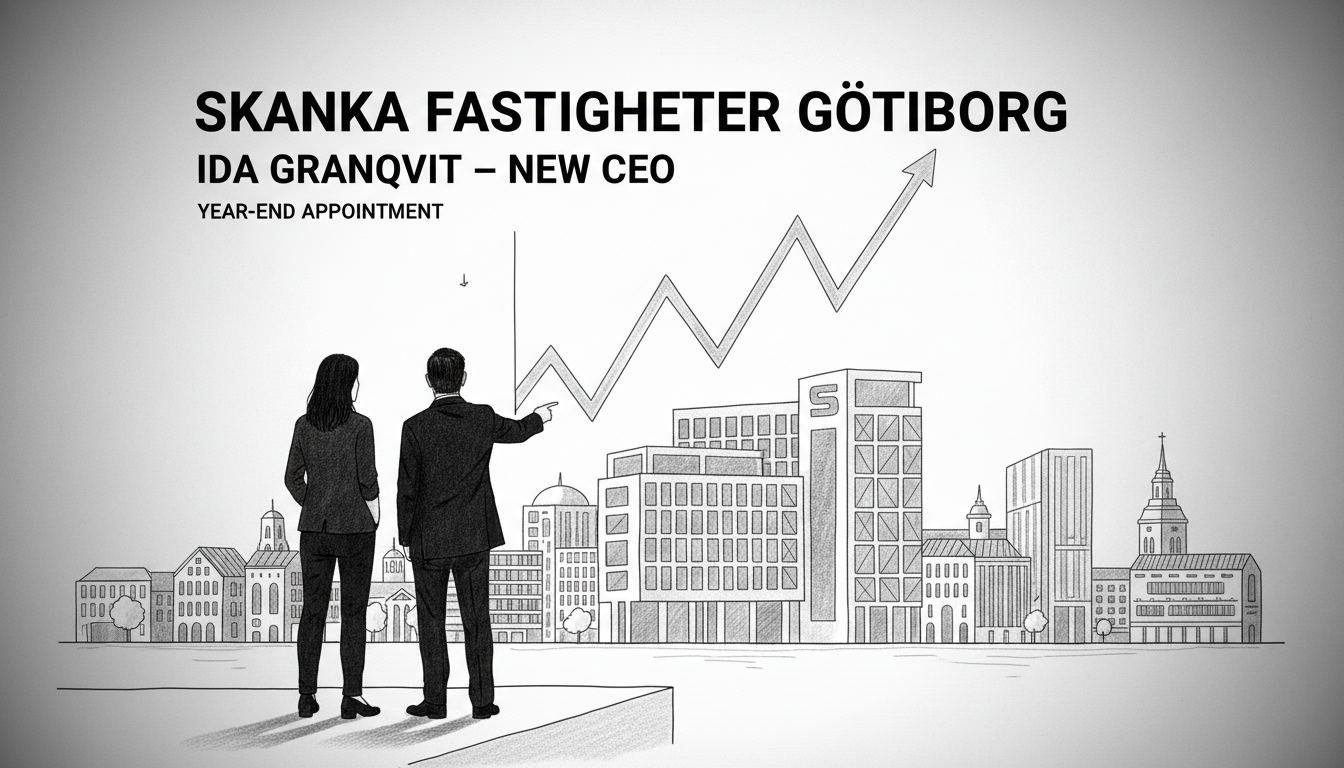
Skanska Fastigheter Göteborg has named Ida Granqvist as its new chief executive officer. She will assume her new position at the turn of the year when her predecessor retires. The property management company announced the leadership transition in an official statement.
Granqvist brings extensive experience to her new role leading one of Gothenburg's prominent real estate operations. Her appointment comes during a period of significant transformation in Sweden's commercial property sector. Many Swedish real estate companies face challenges with rising interest rates and changing market conditions.
This leadership change reflects broader trends in Swedish corporate governance. Swedish companies often prioritize internal promotions and maintain strong regional ties. Gothenburg's business community values stability and continuity in executive transitions.
Real estate management in Sweden requires navigating complex regulations and sustainability requirements. The country has implemented strict environmental standards for commercial properties. New buildings must meet high energy efficiency targets and reduce carbon emissions.
Swedish property companies face pressure to adapt to hybrid work patterns and changing office space demand. Many organizations now use flexible workspace arrangements. This shift affects how commercial properties are designed and managed.
Gothenburg's real estate market remains relatively stable compared to Stockholm. The western Swedish city benefits from strong industrial presence and academic institutions. Major employers like Volvo and AstraZeneca provide consistent demand for commercial space.
The timing of this leadership transition allows for smooth handover before the new year. Granqvist will likely focus on maintaining property values and addressing sustainability goals. Many Swedish real estate firms now prioritize green building certifications and energy efficiency improvements.
What challenges will the new CEO face in Gothenburg's evolving property market? She must balance tenant needs with investor expectations while complying with Sweden's strict environmental regulations. The commercial real estate sector continues adapting to post-pandemic work patterns and digital transformation.
Executive appointments in Swedish companies typically involve careful consideration of cultural fit and industry expertise. The property management sector requires understanding both local market conditions and national regulatory frameworks. Successful leaders combine business acumen with knowledge of Swedish building standards and tenant protection laws.
This change in leadership represents normal corporate succession planning rather than dramatic restructuring. Swedish businesses generally prefer orderly transitions that maintain operational continuity. The incoming CEO will build upon existing strategies while bringing fresh perspective to property management challenges.