
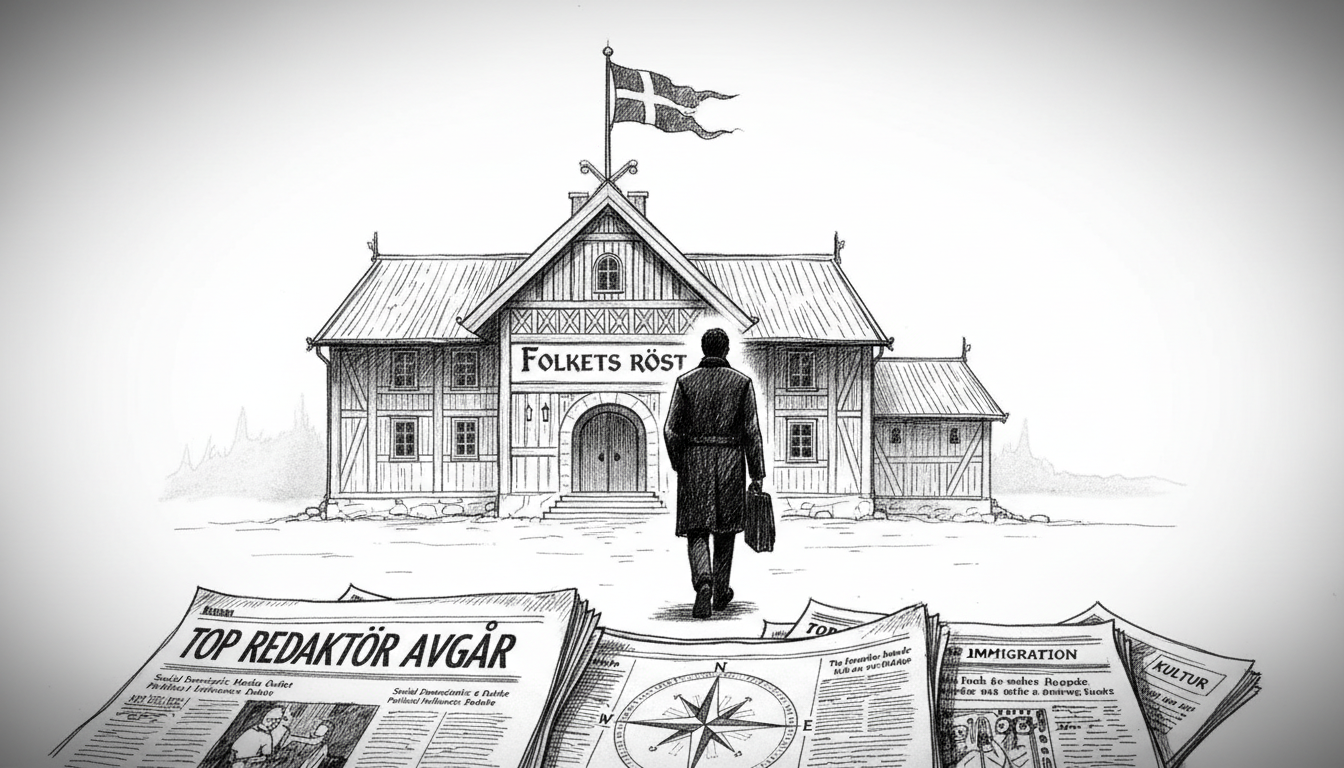
The editor-in-chief of a major media outlet owned by Sweden's Social Democratic Party has left their position. This move comes at a time of intense debate about media ownership and political influence in Swedish society. The departure raises immediate questions about the future editorial direction of the publication.
In Sweden, the connection between political parties and media is a long-standing tradition, part of the country's unique press history. Many newspapers were historically founded by popular movements, including the labor movement that birthed the Social Democrats. This context is crucial for understanding the significance of leadership changes at such outlets. They are not just business decisions but shifts within a broader ideological ecosystem.
For international observers, this might seem unusual. In many countries, a clear separation between major media and political parties is the norm. In Sweden, these ties are more transparent and woven into the social fabric. The outlet in question plays a specific role, often providing analysis and commentary aligned with social democratic values on Swedish society trends. Its voice is part of a chorus in the national conversation, from debates on Sweden immigration news to discussions on welfare policy.
What does an editor's departure mean for readers in Stockholm and beyond? It could signal a shift in tone or focus. Will coverage of Stockholm events today or cultural policy change? Often, new leadership seeks to put their own stamp on a publication's identity. This might affect which stories are prioritized or how certain issues, like integration or housing in neighborhoods like Husby or Rinkeby, are framed. The change occurs against a backdrop of a rapidly evolving media landscape where digital consumption challenges traditional loyalties.
This story is about more than one job change. It touches on core questions of trust, influence, and the role of media in a democracy. The outlet must balance its foundational principles with the need to engage a modern, diverse audience. The next appointment will be watched closely by politicians, journalists, and citizens who care about the future of Swedish culture news and informed public debate. The new editor will navigate complex terrain, shaping coverage that resonates in a changing Sweden while honoring a distinct legacy. Their choices will influence how both domestic and international readers understand Swedish lifestyle and political developments.