
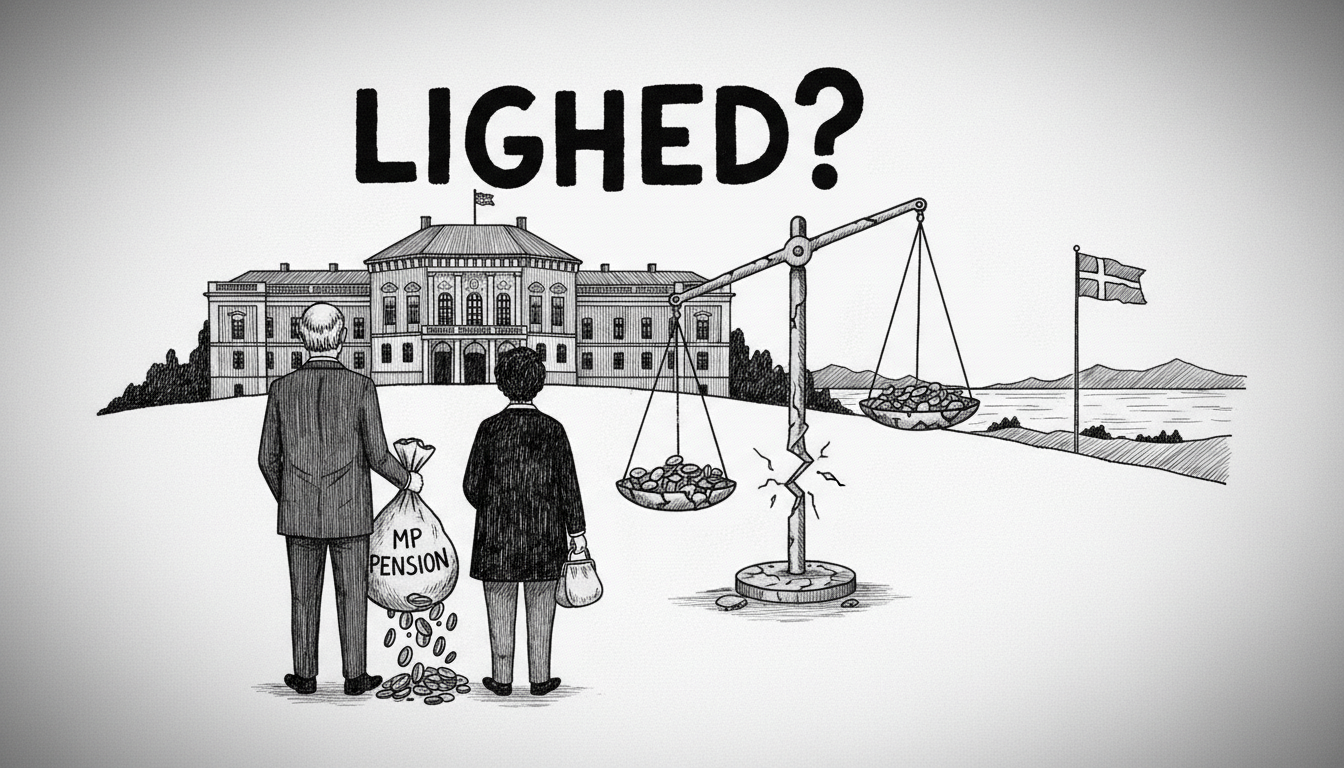
A special pension rule for former members of the Danish Parliament has ignited a sharp debate about fairness and double standards. For decades, former MPs receiving a special early parliamentary pension could keep the full amount even if they returned to work. This privilege is now set to end, according to a recent parliamentary announcement. The decision highlights a long-standing disparity between the political class and ordinary citizens navigating Denmark's welfare system.
Ordinary Danes applying for early retirement face a rigorous process. They must undergo lengthy work capability assessments and resource evaluations. The path is often described as bureaucratic and demanding. Former MPs, however, had access to a streamlined route without these hurdles. Prominent figures, including a former business minister and Social Democratic group chairman, have utilized this special pension. The most contentious point was the lack of income clawbacks. If a regular early retiree earns money, their pension is reduced. Former MPs on the parliamentary pension faced no such deduction, allowing them to collect a full public pension alongside a new salary.
This policy touches a nerve in discussions about Danish social policy and integration. The welfare state is built on principles of universality and solidarity. Special treatment for officials can undermine public trust. Community leaders in Copenhagen and other municipalities often stress the importance of equal rules for social cohesion. When asked about integration challenges, they point to perceived fairness in public systems as a foundation. This pension issue presents a clear contrast between different experiences within the same society.
The change signals a political response to public criticism. It comes amid broader scrutiny of politician benefits and their alignment with the realities of the Danish welfare system. For international observers, the story offers a window into Denmark's ongoing negotiation between elite privileges and egalitarian values. The core tension is not unique to Denmark, but it plays out distinctly within its high-trust, high-tax social model. The reform aims to close a visible gap in the application of social policy. It remains a small but symbolic step in aligning the rules for lawmakers with those they create for everyone else.
What does this mean for the future? The adjustment likely won't affect state finances dramatically. Its true impact is symbolic. It addresses a clear inconsistency that was difficult to justify publicly. The move may cool immediate criticism, but it also raises a question. Why did it take so long to correct such an obvious imbalance? The episode serves as a reminder that scrutiny of political privileges is a constant and necessary part of a healthy democracy. It reinforces the expectation that those designing the system must also live under its core principles.