
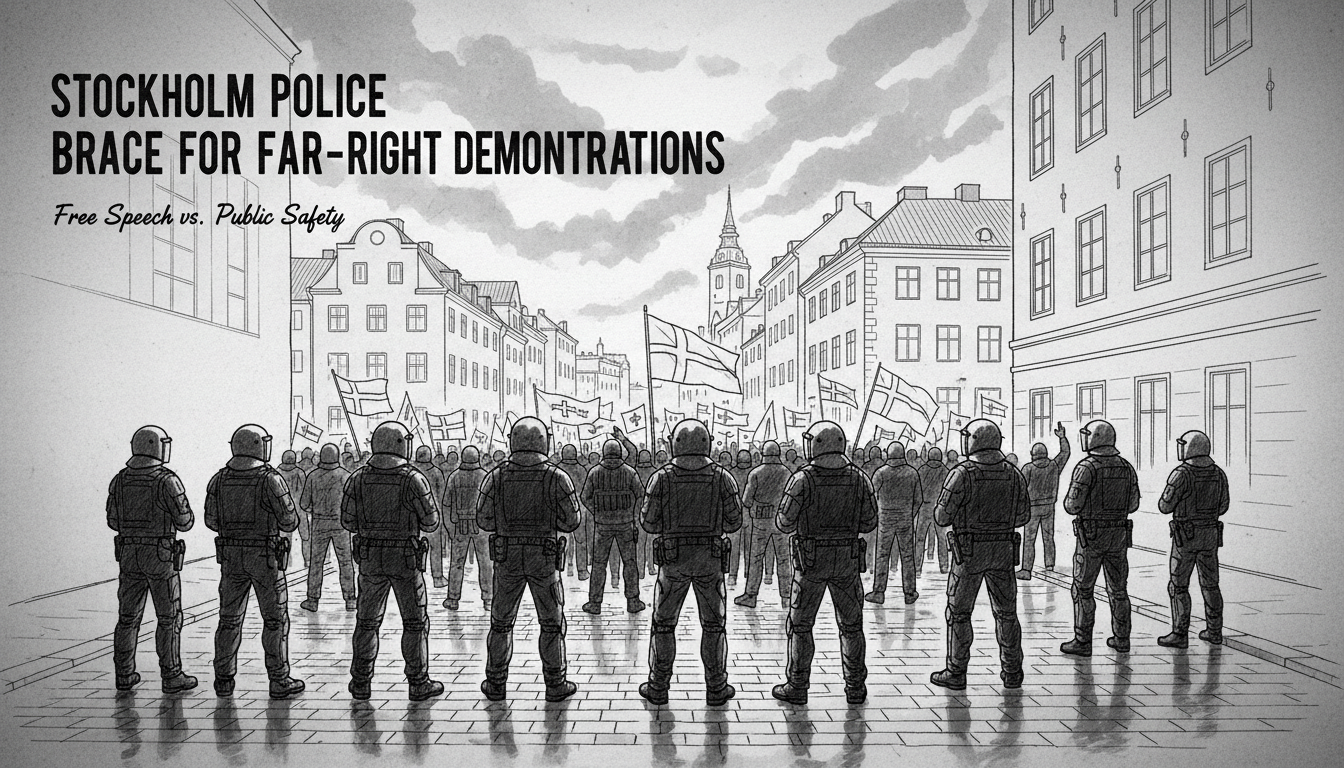
Stockholm police are preparing for potential demonstrations this weekend tied to a historical anniversary. The gatherings traditionally mark the death date of King Charles XII, a figure some far-right groups commemorate annually on November 30. Authorities expect heightened activity across central Stockholm neighborhoods.
One group planning activities is Aktivklubb Sverige, which officials describe as a violent neo-Nazi organization. The group announced planned actions in Stockholm through social media channels. They specifically mentioned organizing events for Saturday. Police confirm the group has not applied for any demonstration permits, creating legal complications.
Why does this historical figure attract such attention? King Charles XII ruled Sweden during the early 18th century and died in 1718. His militaristic legacy appeals to certain nationalist movements. These annual gatherings often draw counter-protests and require significant police resources. Stockholm's Norrmalm and Gamla Stan districts typically see the most activity during such events.
International readers might wonder about Sweden's demonstration laws. The country requires permits for public gatherings, especially those potentially disrupting public order. Police can deny permits or impose restrictions based on safety concerns. Groups proceeding without authorization risk immediate intervention and potential arrests.
Local residents express mixed feelings about these recurring demonstrations. Södermalm shop owner Lena explains, 'We see this every year. It disrupts business and makes customers uncomfortable.' Meanwhile, university student Erik notes, 'Free speech matters, but so does public safety.'
The timing creates particular challenges during Stockholm's dark winter months. Shorter days and holiday shopping crowds complicate security planning. Police typically deploy additional officers around central squares and transportation hubs. They monitor social media for real-time updates on group movements.
What happens when groups demonstrate without permits? Swedish law allows police to disperse unauthorized gatherings quickly. Officers can make arrests if participants refuse to leave. Past similar events have resulted in brief confrontations and temporary street closures.
These demonstrations reflect broader debates within Swedish society about free speech boundaries. The country balances strong free expression protections with concerns about hate speech and public safety. Recent years have seen increased discussion about how to handle extremist groups operating within legal gray areas.
The weekend's events will test Stockholm's approach to managing competing rights and public order. Police urge residents to avoid demonstration areas and report suspicious activity. They emphasize that most planned activities will proceed without incident, but preparedness remains crucial.