
The five million kronor question
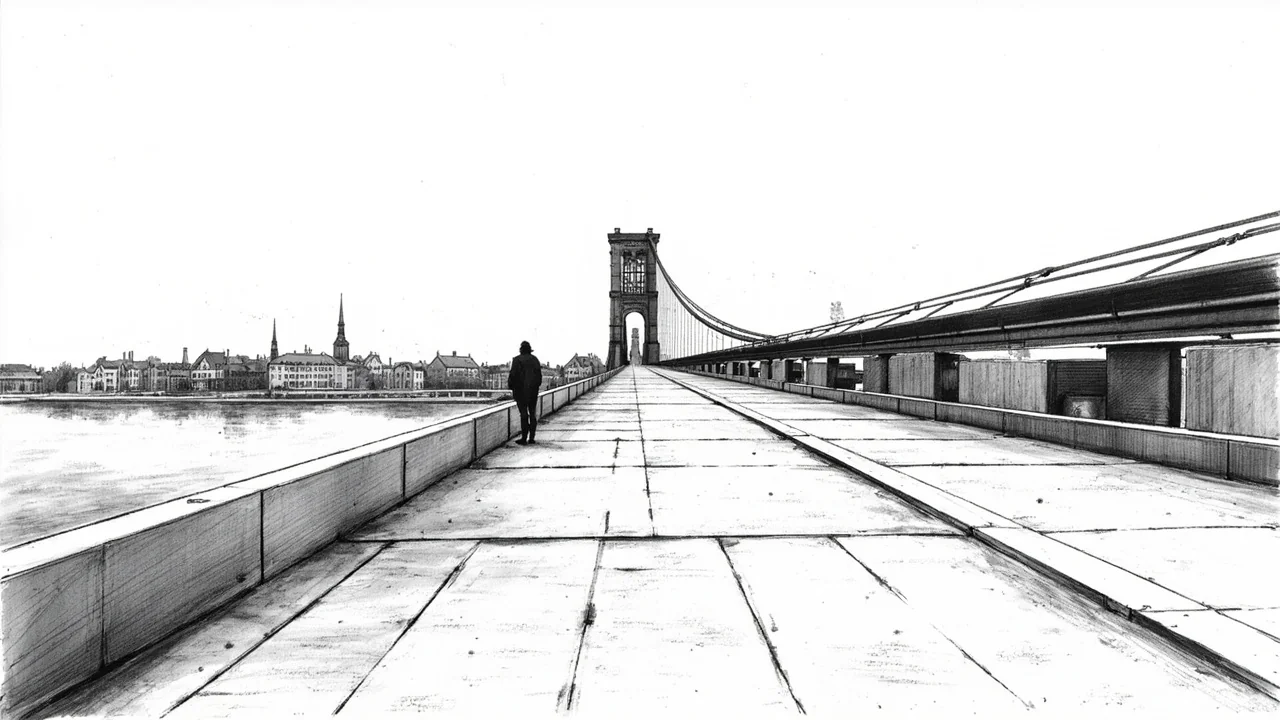
Stockholm spent five million kronor in 2016 to study running trams over the iconic Guldbron bridge. The trams never came. The money is gone. Welcome to Swedish planning at its most optimistic.
The idea seemed logical enough back in the early 2010s. SL (Stockholm's public transport authority) and the city wanted to replace several blue bus lines with trams for more efficient public transport. Line 2, which passes through Slussen, was earmarked for conversion. When the massive Slussen reconstruction deal was signed in 2016, officials tucked away five million kronor to study tram feasibility. Source: Statistics Sweden.
"The purpose was to ensure that the new facility would not make a future tram impossible," explains Pernilla Svenningsson, communications manager for Project Slussen. The proposed route would cross Guldbron, roll across the square outside the KF buildings (Kooperativa Förbundet, Sweden's cooperative retail headquarters), then climb up Katarinavägen.
But here's the Swedish twist: even after the city and region abandoned the tram plans entirely, they kept studying the technical requirements anyway. Because you never know, right?
When planning becomes performance art
This is peak Swedish bureaucratic thinking. Spend money to keep options open for projects you've already decided not to build. It's like buying wedding insurance after calling off the engagement.
For context, SL handles approximately 700,000 passengers daily across its network, so transport efficiency actually matters. Sweden's approach to public transport planning often prioritizes long-term flexibility over immediate action. The country's unified ticketing system and regional tax financing model means decisions ripple through multiple government layers.
What looks like waste might be Swedish pragmatism, keeping future options alive even when current political will has died. The technical groundwork is apparently complete. If Stockholm ever changes its mind about trams crossing Guldbron, the engineering homework is done.
The real cost of maybe
This story reveals something deeper about how Swedish institutions handle uncertainty. Rather than make hard choices, they study contingencies. Rather than commit or cancel, they hedge.
Whether that's worth five million kronor depends on how much you value bureaucratic insurance policies. Expect more Swedish cities to follow this model: spending real money on imaginary projects, just in case the political winds shift back.
Read more: Stockholm Ambulance Safety Stop Lifted After Union Standoff.
Read more: Stockholm Faces Acute Shortage of Roofers.