
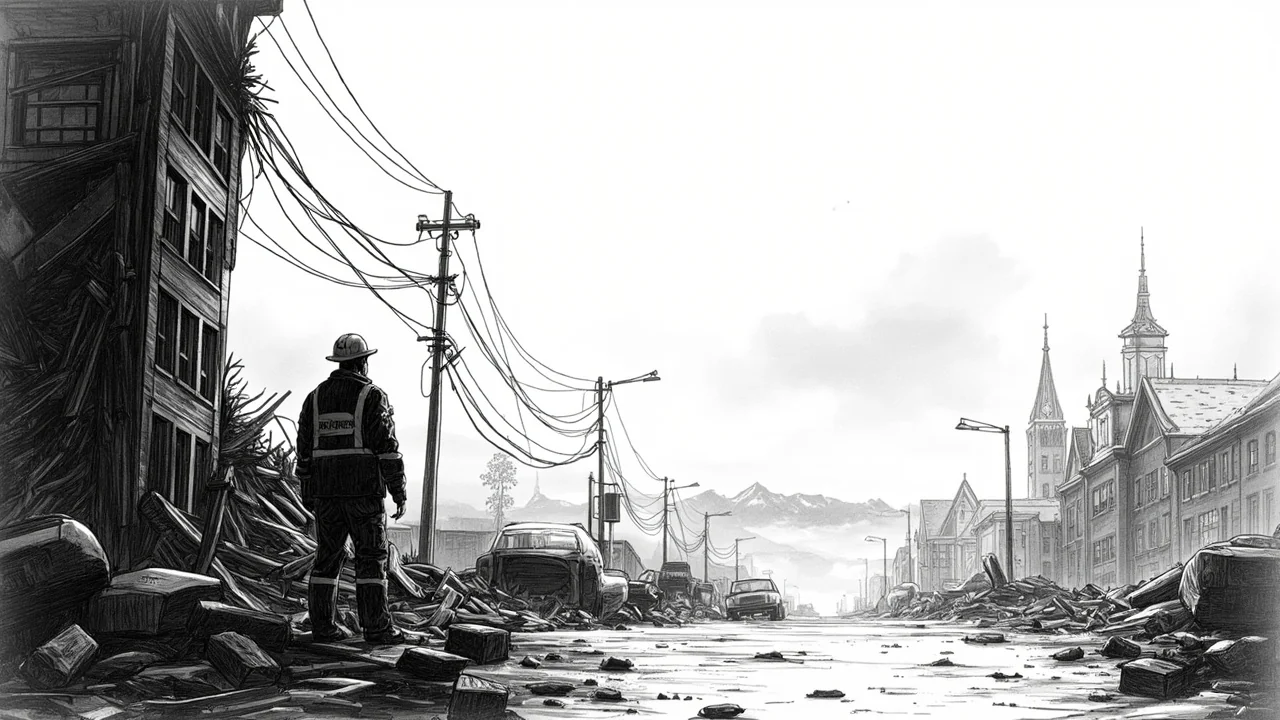
The Swedish government and its Norwegian counterparts are coordinating extensive recovery operations following Storm Johannes. This severe weather event caused major disruptions across both nations. Emergency services worked through the weekend to restore critical infrastructure. The Riksdag building in Stockholm remained operational as legislators monitored the situation. Government policy in Sweden mandates a swift response to such national emergencies. The storm's impact highlights ongoing challenges for Nordic infrastructure resilience.
Storm Johannes brought powerful winds and heavy precipitation to the region. Thousands of Swedish households lost electrical power during the peak of the storm. Transportation networks faced severe delays with road closures and rail cancellations. The Swedish Meteorological Institute classified it as a major weather event. Officials at Rosenbad, the government offices, activated national crisis protocols. These Riksdag decisions on emergency funding now support local recovery efforts.
Historical context shows this storm follows a pattern of increasing severe weather. Previous events like Storm Alfrida tested response systems in similar ways. The current administration has faced criticism over infrastructure preparedness levels. Stockholm politics often debates climate adaptation funding during budget cycles. Concrete policy measures from earlier parliamentary sessions are now being implemented. The government allocated specific funds for municipal disaster relief last term.
Swedish Parliament committees will likely review the storm response in coming weeks. Minister for Civil Defence Carl-Oskar Bohlin stated the priority remains public safety. He confirmed all available resources are deployed to affected areas. The government's crisis management group meets daily at Rosenbad to coordinate efforts. Opposition politicians have called for an evaluation of warning system effectiveness. This political debate will shape future government policy in Sweden regarding climate resilience.
Recovery efforts focus on three main areas across southern and western Sweden. Crews are clearing debris from roadways and restoring power lines. Municipalities are assessing structural damage to public buildings and private homes. Insurance companies report a high volume of claims related to storm damage. The process follows established protocols from the Swedish Civil Contingencies Agency. These operations demonstrate the complex coordination required between national and local authorities.
What does this mean for Sweden's long-term preparedness? The storm exposed vulnerabilities in certain infrastructure networks. Aging power distribution systems proved particularly susceptible to high winds. Transportation corridors need improved protection against falling trees and flooding. Future Riksdag decisions must address these identified weaknesses. Stockholm politics will likely feature debates about increasing resilience investments. The government faces pressure to deliver concrete infrastructure upgrades before next winter.
The immediate human impact remains the central concern for officials. Emergency shelters operated in several municipalities for displaced residents. Healthcare services maintained operations despite logistical challenges. Schools in hardest-hit areas delayed reopening after the holiday break. The social welfare system provides temporary support for affected families. These support mechanisms stem from legislation passed by the Swedish Parliament in previous sessions.
Norwegian authorities are conducting parallel recovery operations along their affected coastline. Cross-border cooperation includes sharing repair crews and equipment. This collaboration follows existing Nordic emergency response agreements. Both nations face similar challenges with infrastructure designed for different climate conditions. The event reinforces the need for regional coordination on climate adaptation strategies. Shared solutions may emerge from this common experience with severe weather.
Looking forward, the storm's aftermath will influence policy discussions for months. The Swedish government must balance immediate recovery costs with long-term investments. Riksdag decisions on the spring budget will reflect lessons learned from this event. Stockholm politics will scrutinize the administration's handling of the crisis. Government policy in Sweden regarding climate adaptation requires continued development. The Swedish Parliament plays a crucial role in funding and overseeing these necessary improvements to national resilience.